The Arch City Gardener

Journeys In St. Louis Gardening and Beyond


Leave a comment

Whistle While You Work

This blog title pretty well describes my day yesterday. First, it was Friday. No explanation needed there. Even better, it was planting day.

A group of us at work have come together to plant a container garden outside the patio of one of the buildings. We’ve been planning this for quite some time and have had several meetings to discuss what we’d plant–veggies; when we’d plant–Earth Day; steps needed to take to get this done–get seeds, containers, soil, signs, building approval, watering schedule, weeding volunteers, etc.

As these things tend to go, one thing led to another. I’ve mentioned before that I work with seed and plant experts, so at sometime along the way (like Meeting One) we decided we needed their, ahem, “engagement” in this project. And by that I mean we went begging, asking for quality seed, assistance to grow out the seed and maybe even a little bit of agronomic support. We’d do the rest! Honest. Especially the planting on a Friday part.

“Engagement” wasn’t an issue. This small project taps right to the roots of the joys of gardening. Lots of us love to get our hands dirty; and are as passionate about home gardening as we are about farming. Even one volunteer brought everyone rosemary plants he started at home from seed. Kind of a party favor, if you will. And Nick, a marketing manager for Seminis Vegetable Seeds, was more than happy to provide seeds and supplies so we could showcase the products he is so proud of on campus.
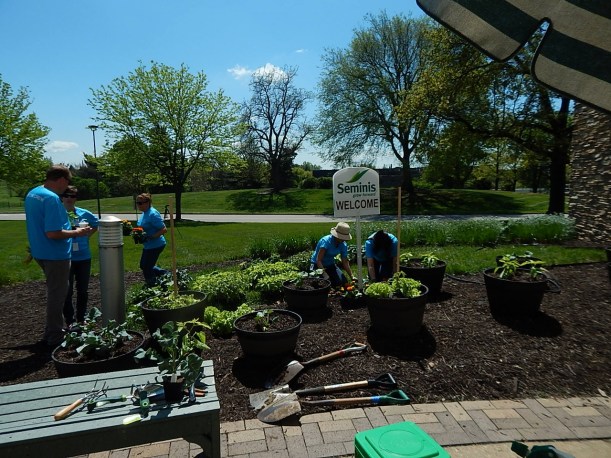
Planting site (1280x960)Here’s the lineup of what we’ve got going on. Many are AAS selections. Maybe you’ve planted some of these seeds in your own vegetable gardens:

  • Lettuce: Amanda
  • Spinach: Green Beret
  • Brocolli:” Artwork (AAS)
  • Peppers: Flaming Flare Fresno (AAS), Emerald Fire Jalapeno (AAS), Hot Sunset Banana (AAS), Sweet Sunset Banana (AAS), Flaming Jade Serrano (AAS)
  • Squash: Bossa Nova (AAS)
  • Tomatoes: Better Boy, Rugged Boy SV0056TD, Dixie Red
  • Cucumber: Gateway
  • Custard Beans

Eric, one of our planting experts, explained over lunch that our patio garden will have some challenges. The garden’s location gets lots of sun, which is good. It also will give off lots of heat retained by the patio. Fruiting plants like tomatoes will require lots of watering–even on weekends. And we’ll need to be coordinated in our watering schedule. We don’t want to drown the plants and we don’t want to overwater them either.
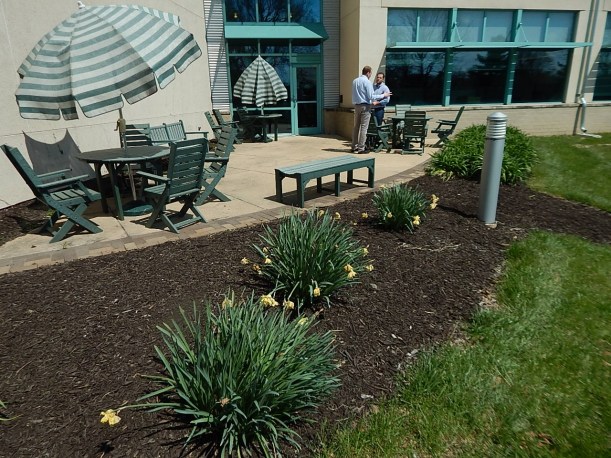
M Building Before (1280x960)

This is the patio bed before the plants were removed. It’s the perfect size for a container garden. Bonus: It gets tons of sun.

Full serpentine planters (960x1280)

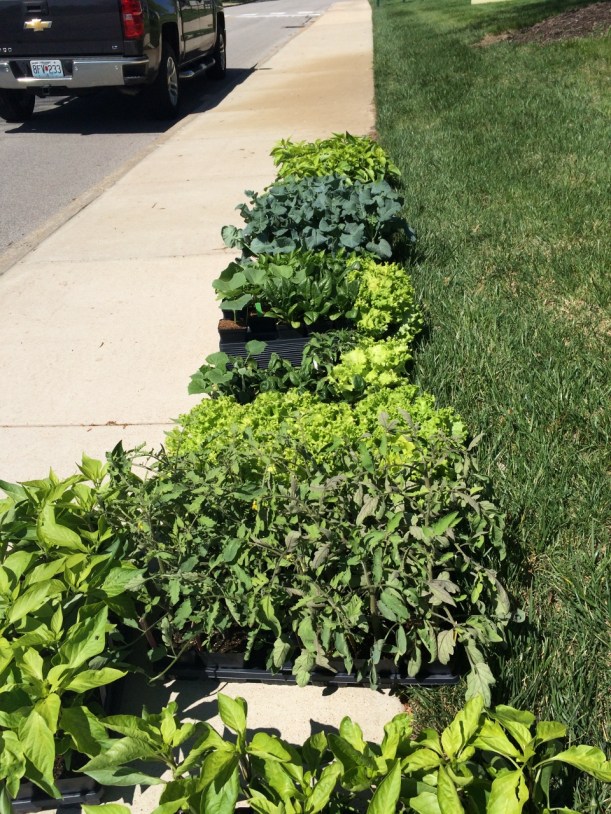
The cool season crops like broccoli, lettuce and spinach will soon be replaced by more peppers, zucchini and other warm season vegetables.

I did learn this tidbit: Water deeply to encourage the roots to reach down to the water. I’m guilty of watering too lightly. That encourages shallow root growth. I’ll be more mindful of that in my garden this summer.

And he explained that we’ll need to be on the watch out for leaf molds and fungus, as well as critters who enjoy the fruits of our labor. You’ve heard me complain about squirrels and rabbits. This garden will in all likelihood also include deer.

What started as lots of gardending enthusiasts thinking “Wouldn’t it be neat to have a garden at work?” has become a reality that turned into a really neat way to meet and know new colleagues. We have more in common than where we work. We all love to garden. I’m thinking we could have a plant swap down the road.

Does your office or company gardening opportunities?


1 Comment

Roll Out The Barrels

Rain barrel and rhodos (960x1280)There’s nothing like the need for new gutters to finally motivate me to install a couple of rain barrels. I’d been thinking about installing barrels since I moved in five years ago and even more so when I found myself constantly watering a newly planted parched garden bed baking in the 105 degree heat that second summer.
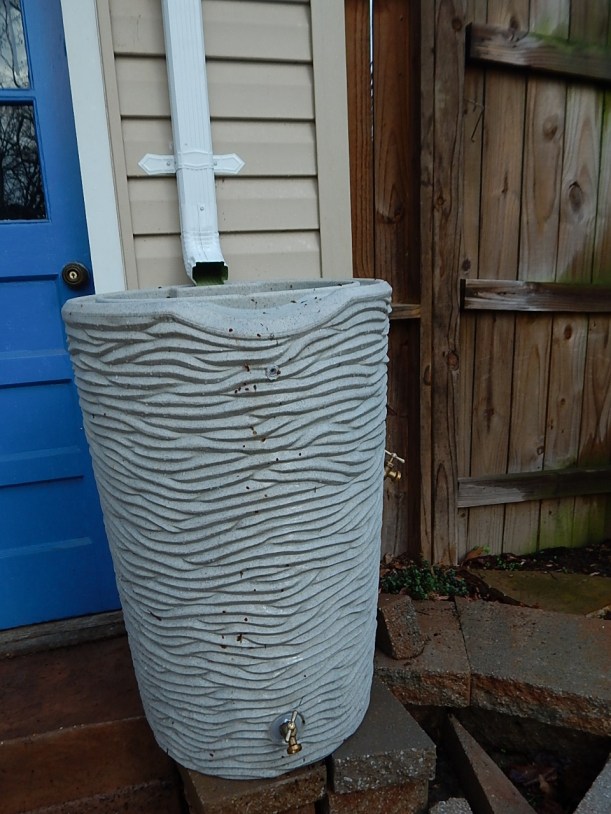
My two 55-gallon barrels have arrived and are already full. That’s right. One rain gusher filled them to the brim. I live in a modest ranch-style home, approximately 1200 square feet if that helps you in picturing just how much rain runoff is going on here.

Rain barrel installed (960x1280)I’m always interested in conserving resources and being as “green” as I can–every day is Earth Day. The Metropolitan St. Louis Sewer District’s web site cites an EPA stat that 40 percent of home water use is for landscape and lawn needs. Rain barrel proponents tout the devices as a low tech way to tap into a free supply of water that would otherwise drain into the sewer system. I’d agree with that–they are low tech–but given how fast they have filled up, and watching the overflow feature cascade rain off the front of the barrel, I’m not sure I’m saving that much storm water from entering the sewer system. I’ll know at the end of this garden season if they made a difference in my water bill. I do derive small pleaure in filling up my handy dandy watering can with abandon and have yet to turn on the hose for watering. Although each barrel sits on a makeshift platform, water pressure is low. That’s okay, I’ve got patience. While one watering can is filling up, I am watering with a second or doing something else.
Many sites claim the water that is coming off the roof is better for the plants than the water coming from the house system. That’s because it is softer because it is low in salts and chlorine. Unlike tap water, fresh rain water does not contain flouride compounds.Still, you don’t want to drink this stuff. There’s lots of nasty coming off the roof. Many web sites have FAQs that discuss if this is water that can be used to water vegetables. Short answer is yes but water the soil not the plant directly.

Aesthics are important to me. Color, size and shape were all carefully considered. I wanted a barrel that blends into the landscape, not competes with it. Then there are the practical considerations: spigot type (plastic versus brass–I chose brass), overflow mechanics (mine have a front overflow design, no diverter), barrel openings (only a screen for inflow). Not sure I like the fact that I can’t pop off the lid of the barrels at the end of the season. I will have to unscrew the inflow screen to clean and empty them.

I spent lots of time looking for the right rain barrel and read review after review. Common complaint is that they leak. One of mine was leaking at the spigot but I didn’t have it tightened in properly and that problem has been resolved. A common feature is that you install a plant on the top of the barrel. I don’t plan on doing that but can see how standing water in this reservoir will be a mosquito draw. I am, however, planting fern around the base of one of the barrels to obscure the stone perch it is atop. I plan to extend a small hose to the soaker hoses in my shade bed for deep watering. Will let you know how that works.

What do you think of rain barrels?


3 Comments

April Progress Report

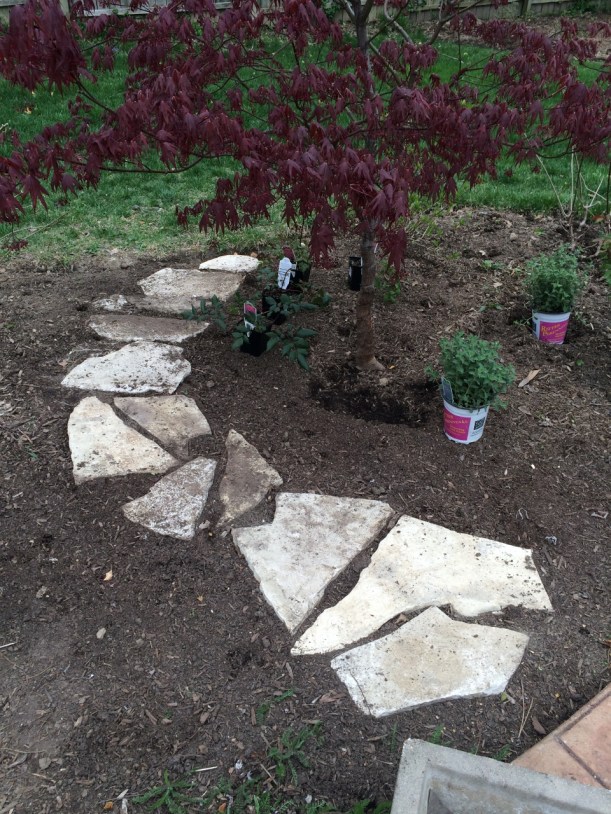
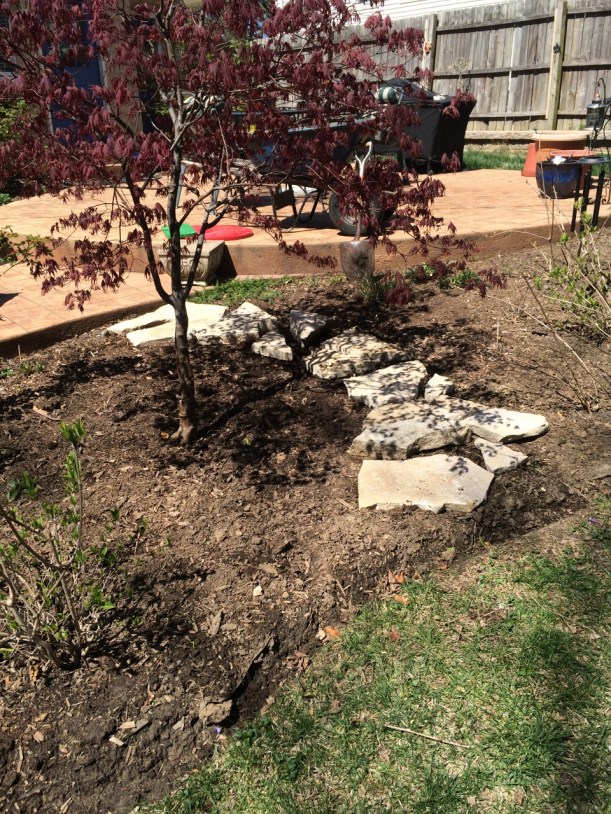
Flagstone finished (960x1280)I’ve embarked on a garden improvement plan, but then what gardener hasn’t? Tired of struggling with the slow fill in of the big bed that runs the length of the patio, I decided it needed some help filling in and plants weren’t going to do it.
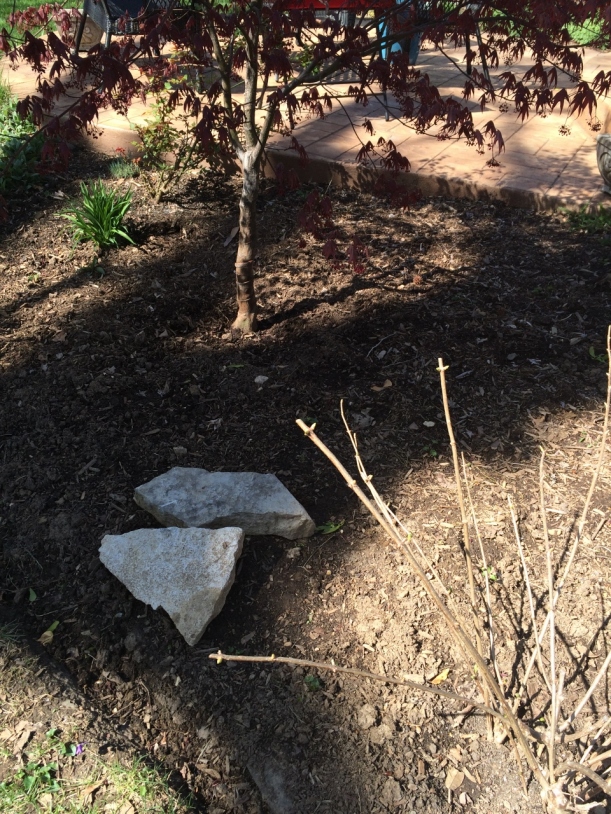
Rabbits have gotten fat off of hearty helpings of the liriope planted in a ring around the Japanese maple. And not just this year. They’ve been munching on the liriope since they discovered them in 2013. Enough! No longer an enabler, I dug them up and gave them to a friend. They don’t bother the liriope planted up near the house but I think they’re too afraid to get near the door.

The growing maple cast too much shade on the zebra grass planted in the back of the bed. It is now positioned in front of the tree where there’s more sun throughout the day. Haphazardly planted daylilies (a gift from my neighbor) have been moved together for a more cohesive look.

flagstone I (960x1280)Suddenly I was left with lots of space around the tree. And I discovered two flagstone castoffs in the back of the yard. Well, you know the rest of the story. A quick trip to the nearby materials supply store and I was off to the races. Fortunately the ground is still soft and the soil is pretty good–not the rock hard, compacted clay I encountered when I started this bed in 2012.
“Walkers Low” catmint (Nepeta recemosa), “Maggie Daley” astilbe and “Amethyst” astilbe x arendsii, and lady’s mantle (alchemilla mollis) will find a home in the bed alongside roses, coneflower (echinacea), liatris, coreoposis, dianthus, “Little Joe” pye weed (eupatorium) and black eyed susans (rudbeckia) that are planted among the Little Lamb and Little Lime hydrangea.

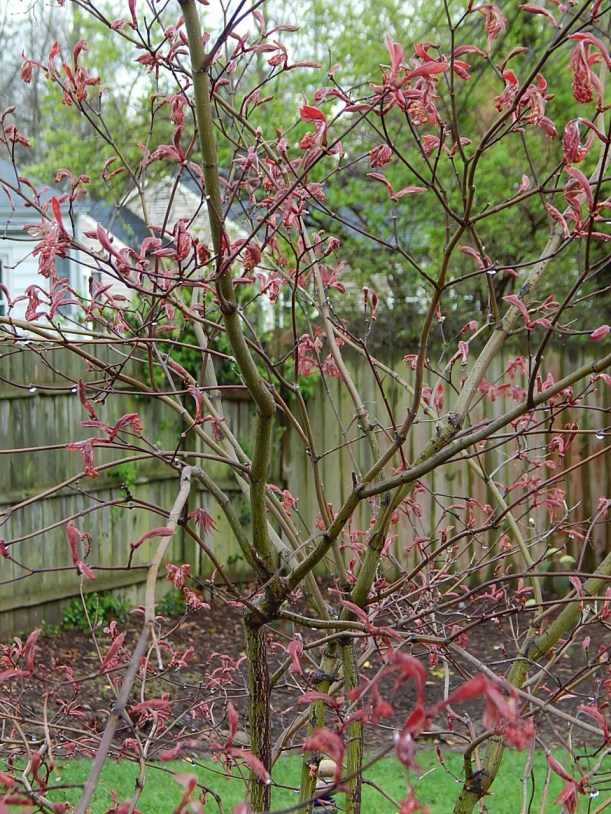
Here’s a picture of the path before the flagstone was dug into place. (As a side note, I can’t believe how much the maple has leafed out in the past week. I love its dark maroon leaves.)

flagstone II (960x1280).jpg

I moved those suckers into several arrangements before deciding on this layout. Their heft is deceptive; the materials guy told me in total they weighed more than 225 pounds.

The addition of a couple of rain barrels, my great vegetable experiment and–coming soon!–the addition of a paperbark maple have also filled my weekends. Stay tuned for upcoming posts on these adventures.

As always, thanks for reading.


2 Comments

In the Swing of Spring

Here’s a quick peek at the goings on in my Arch City backyard. So happy it’s spring!

Japanese Maple April (2) (960x1280)

Bloodgood Japanese maple (Acer palmatum) starts to leaf.

Tulips April (1280x960)

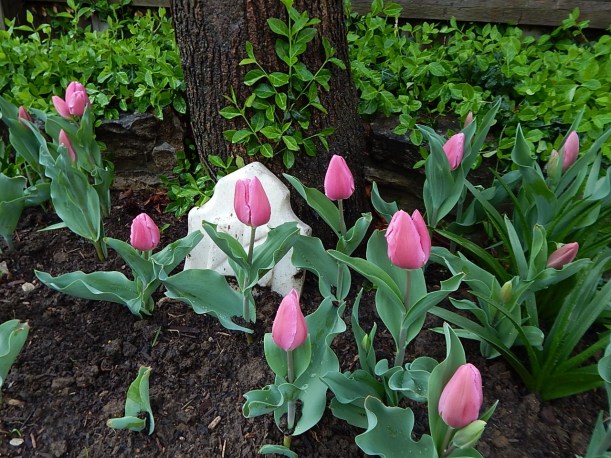
Pretty pink tulips in bloom. Fond reminders of a family trip to the Netherlands last fall.

Clematis April (960x1280)

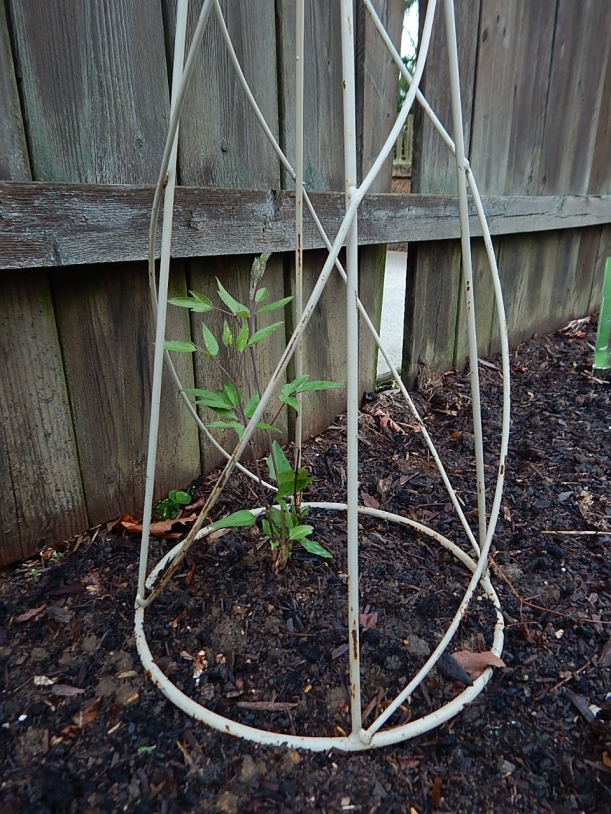
Clematis begins its winding growth. Transplanted in the fall from a container, it seems to like its new spot. This is the second year for this plant and I think I’m falling in love! 🙂

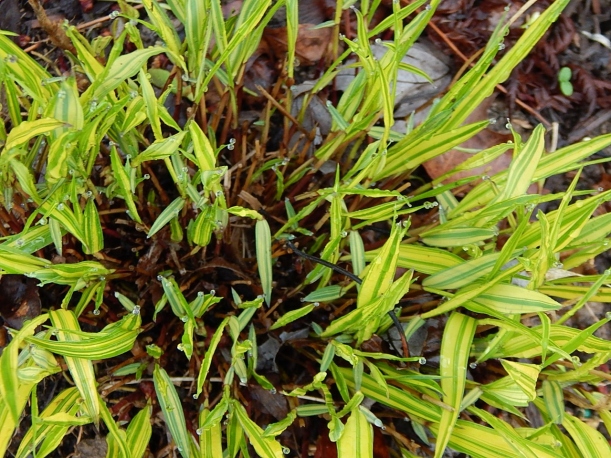
Japanese Forest Grass (1280x960)

Bright chartreuse and green leaves of Japanese forest grass (Hakonechloa macra) after a rain.

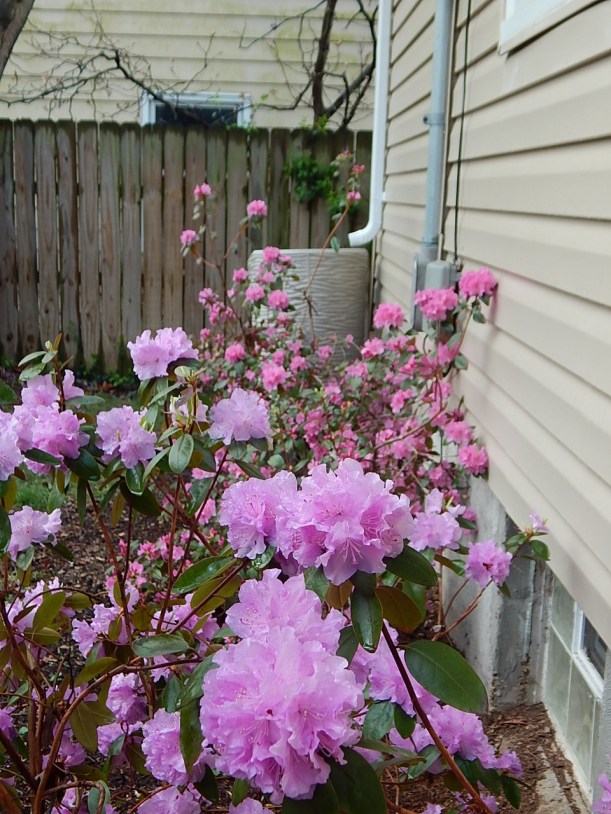
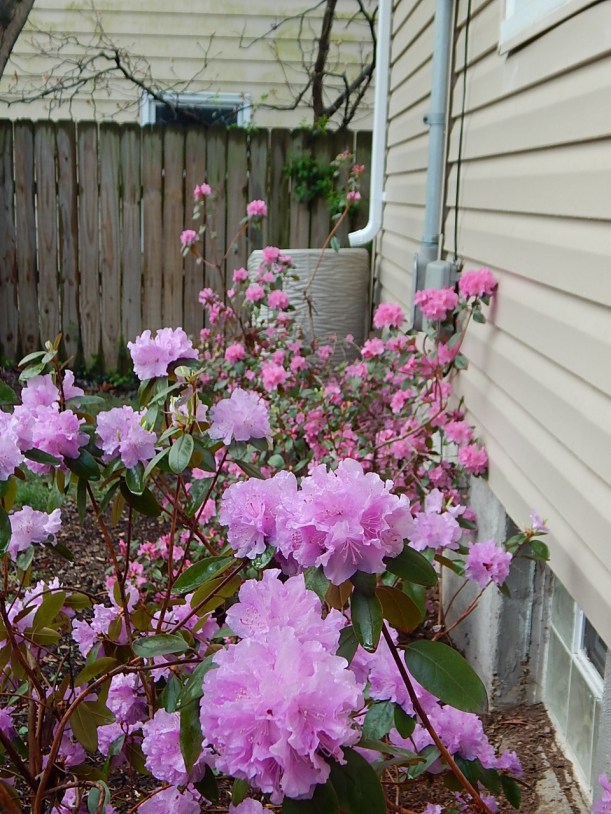
Rain barrel and rhodos (960x1280)

Pretty pink and purple rhododendron in full bloom. Note the rain barrel in the back. More about that in a coming post.

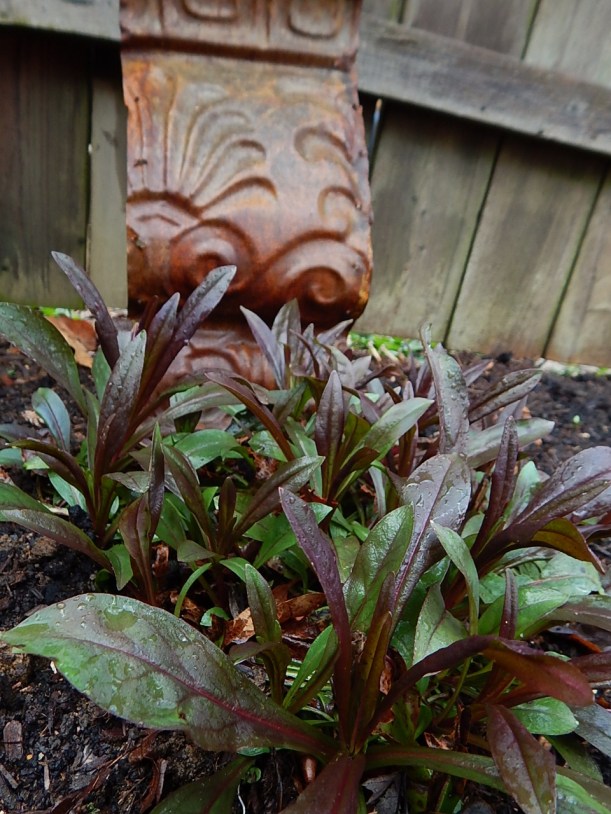
Penstemon April (960x1280)

Husker Red penstemon (Penstemon digitalis) bursting forth. This is one of my favorites. I love the purple/green leaves with red veining. Before too long it will be in bloom.

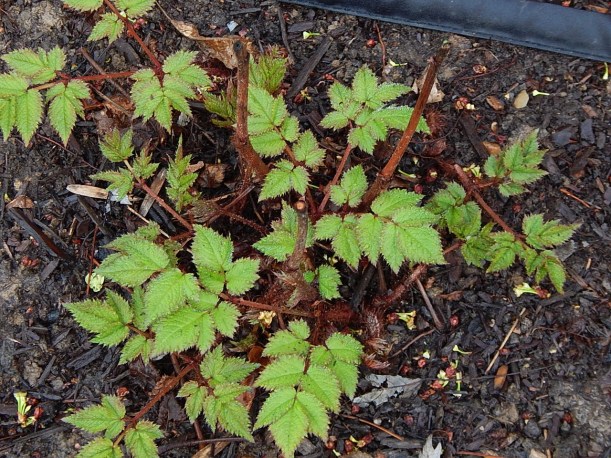
Astilbe April (1280x960)

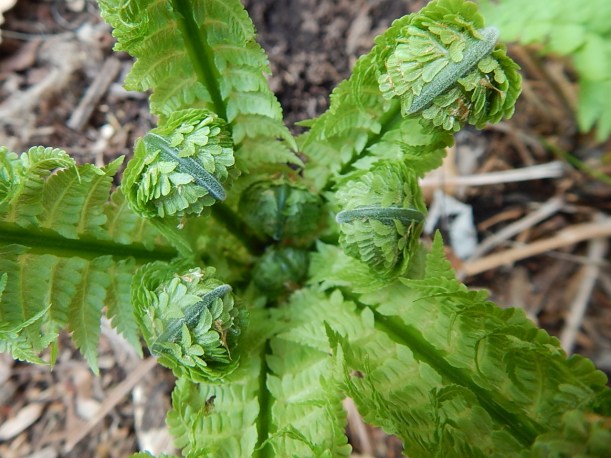
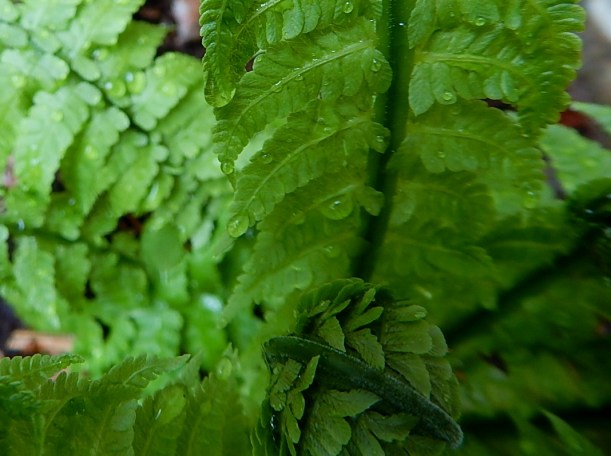
Hairy stemmed astilbe (Astilbe chinensis) are planted near the Japanese forest grass. But there are other signs of life in my shade garden: pointy tips of hosta emerging, curly coral bell (heuchera) leaves, rosy colored  tips of Solomon seal (polygonatum biflorum), lemon-lime creeping Jenny (lysimachia nummularia), and soon, ferns, glorious elegant ferns.

VegTrug April 1 (1280x960)

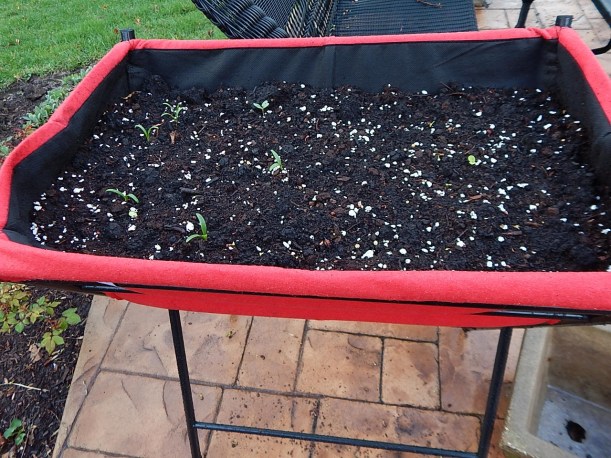
The great seed planting experiment shows signs of life: cool season greens and brocolli.

Rain Gauge April (960x1280)

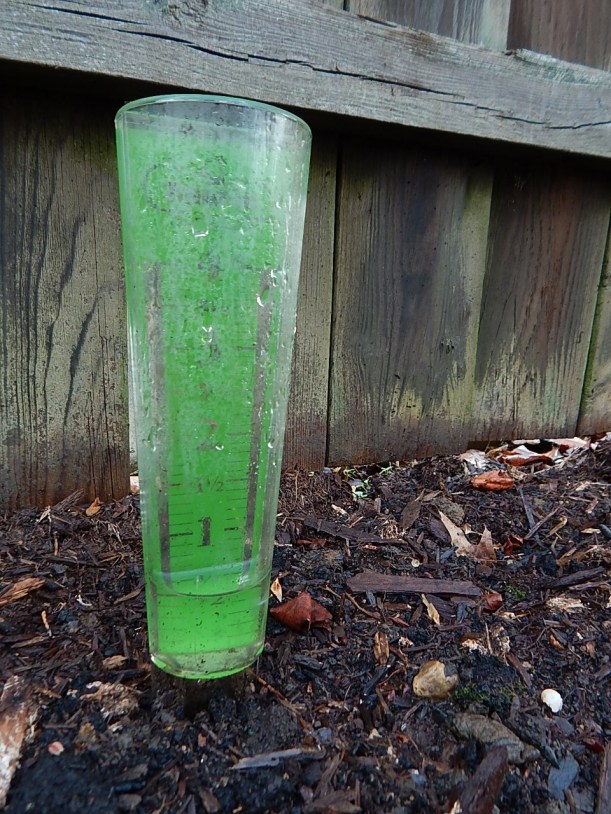
Spring rainfall, cool night time temperatures and warmer days make possible all of the above.


Leave a comment

Gardening the Pinterest Way

I don’t know about you, but Pinterest has opened up my world. Many a winter evening was spent scanning through pin after colorful garden pin in search of inspiration for DIY ideas on garden beds, specific plants, pots, potting benches, fences, fertilizer, seed starting and more. The list goes on.  With “Piddling Season” quickly coming to an end and the garden beginning to emerge, I thought, what the heck, let’s give one or two of them a try.

I’ve always shied away from starting seed indoors. Mostly, I don’t have a lot of indoor space and second, I don’t really have any equipment, such as a grow light. But every year after my fourth or fifth visit to the garden nursery, I tell myself that I’m going to save some money by starting seeds. But I never do.

This year is different. I was given some seed packets…

And so it begins. A carton of eggshells fits my space limitations. My family room has lots of windows so I think I have plenty of light. By starting small, I may just get a taste of success.

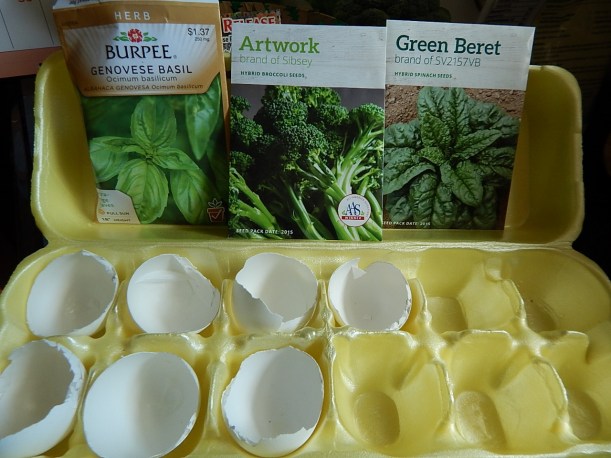
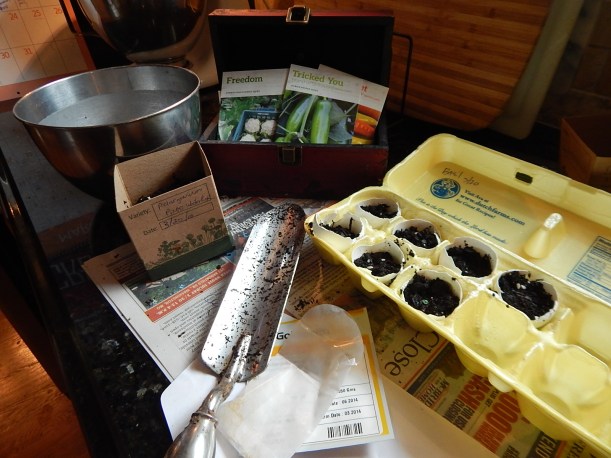
Egg carton garden 3 (1280x960)While I have direct sewn lettuce, broccoli and spinach outside, I’m using eggshells indoors to start spinach, broccoli, basil and geranium seed. Apparently, you can plant the whole kit and caboodle; no need to discard the shell.  Using a Sharpee, I marked each shell with the type of seed planted. Doing this experiment takes me back in time to 4th grade science experiments.  Clearly, I’ve matured because I didn’t hate doing this.
Here’s the recipe for success:

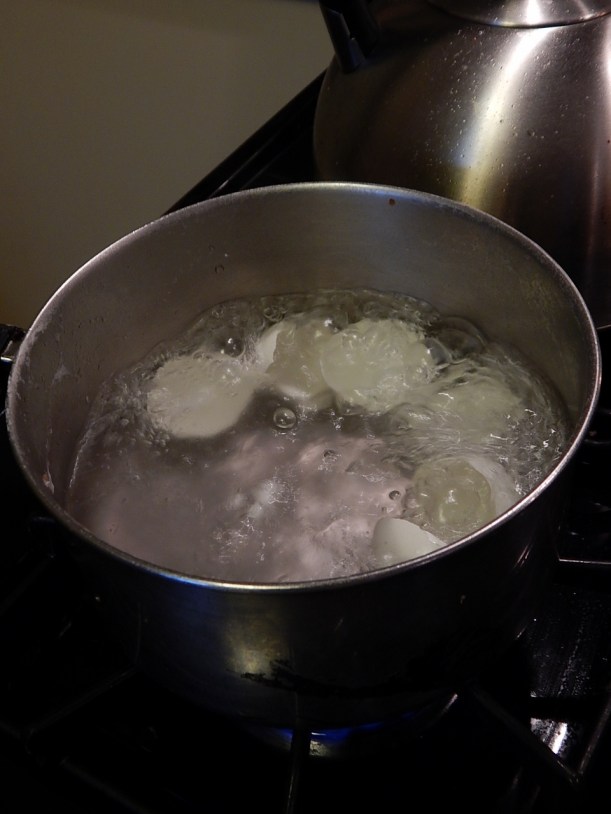
boiling eggs

Boil the eggshells to clean and sterilize. This only take a few minue. Then, punch a small hole in the bottom of the shell for dranage.

Egg carton garden 1Next, fill with seed starting material. I used potting soil.

Basil seeds (1280x960)Add seed and cover with more soil. Here, I’m planting basil.

egg carton garden 4 (1280x960)Mist to thoroughly moisten the material. I mist daily.
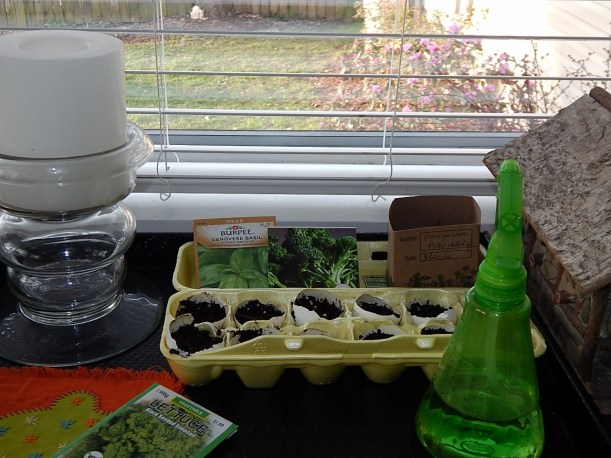
Sunny window (1280x960)Place in a sunny window.

My Pinterest experiments won’t stop at eggshell seed starting. There’s a plethora of pins on using Epsom salts to boost plant growth. I need to research which plants like magnesium and sulfate, which, apparently is what Epsom salts are.  And then there’s coffee grounds. My research on coffee grounds tells me not to put them directly into the garden as is sometimes extolled on Pinterest. They should be put into the compost pile because alone they are too acidic. And although I have seen lots and lots of pins extolling the virtues of burying banana peels in the garden by the roses, I’m not sure I’ll try that one either.

What Pinterest tricks have you tried in your garden?


2 Comments

The Understory Story

Larson park (1280x960)Understory trees, shrubs and flowers may play a supporting role to the landscape most of the year but not in spring. For a few brief weeks each year, they put on show as their flora awakens a sleeping landscape. And you don’t want to miss this show. Here in St. Louis the understory has come alive and is bursting forth with magnificent color.
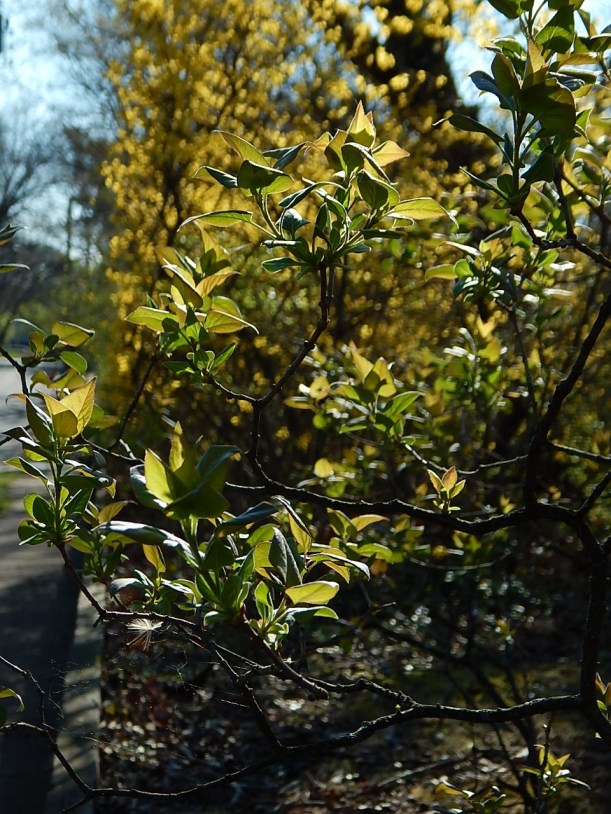
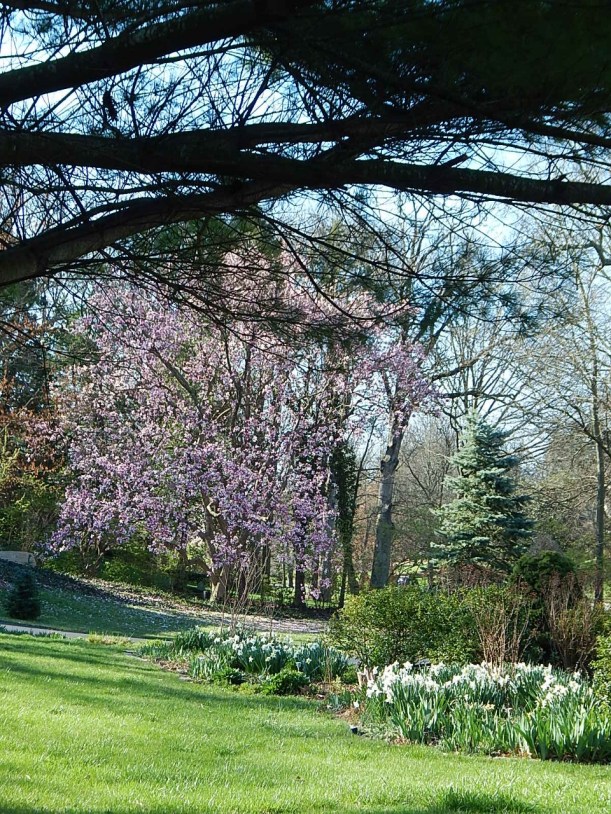
forsythia (3) (960x1280)

Street view spring (960x1280)

yellow magnolia (960x1280)

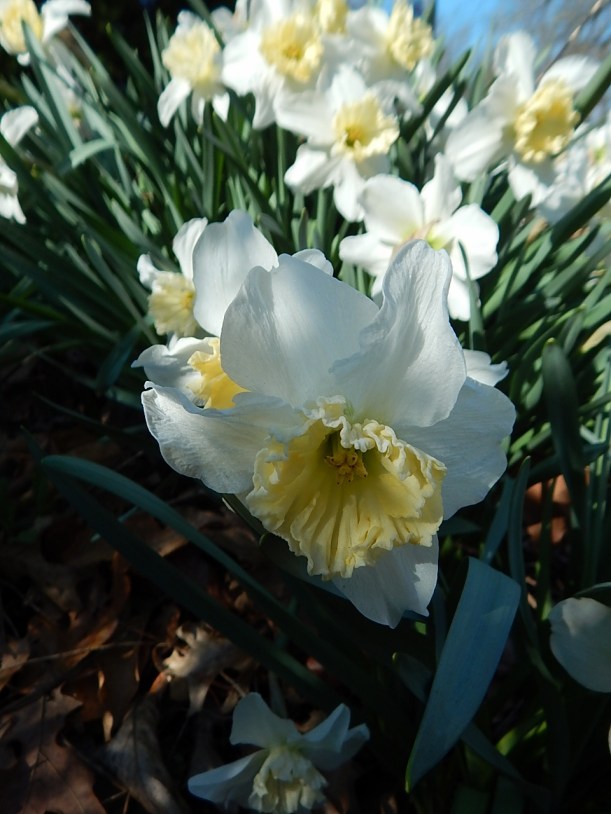
White daffodil (960x1280)

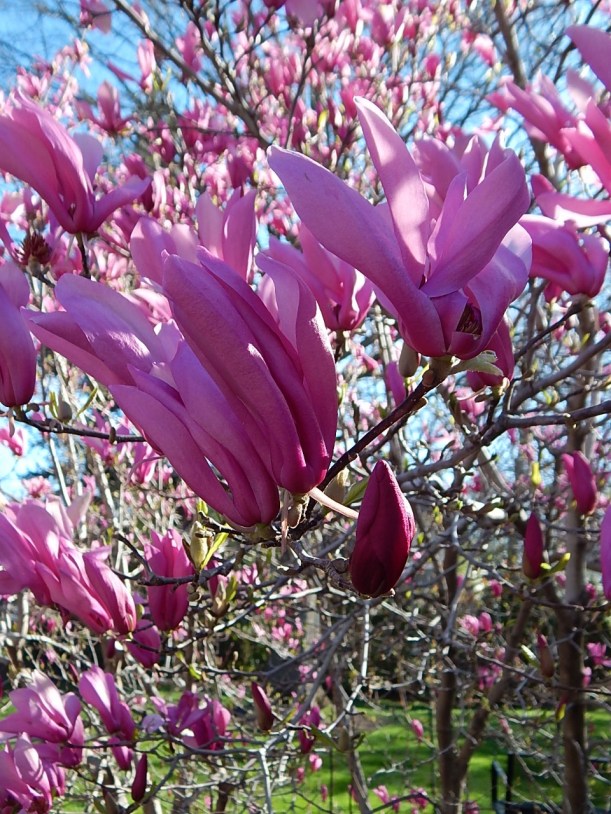
magnolia spring 16 (960x1280)

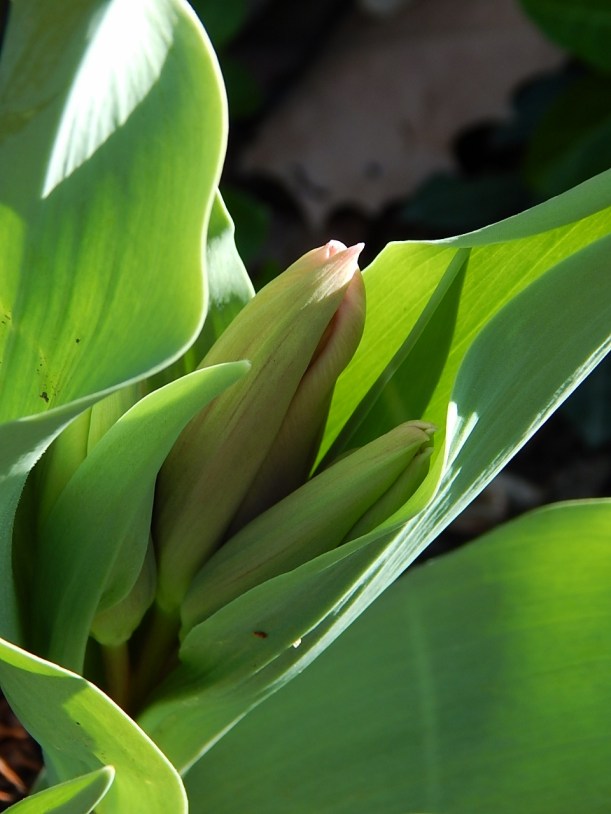
Tulip buds (960x1280)


3 Comments

What’s an AAS Winner, You Ask?

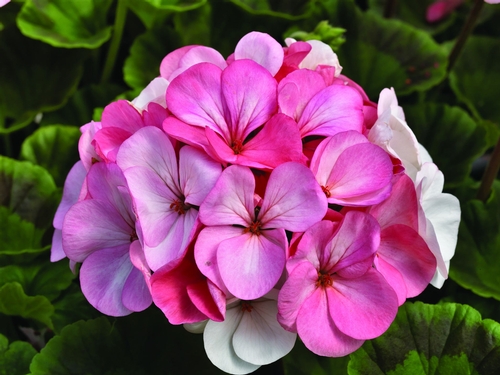
geranium_pinto-premium-white-to-rose-closeup202

Pelagonium x hortum “Pinto Premium White to Rose” geranium. Image courtesy of All-America Selections.

I’m hopeful one of my patio containers will include Pelargonium x hortum “Pinto Premium White to Rose,” a 2013 All-America Selection bedding plant winner. I received a packet of the geranium seed last year and am doing my best to start the seeds to later be transplanted to a patio container.

My beloved VegTrug is home to Artwork broccoli, Amanda lettuce and Green Beret spinach. Artwork is an AAS winner as well. As I also mentioned in a prior post, I’m volunteering to help grow a vegetable container garden at work.  These too will be planted with some AAS winners.

My familiarity with AAS is limited to viewing the flower and vegetable Display Garden at the Missouri Botanical Gardens. Beyond strolling past the beds and looking at the selections, I never took the time to understand the organization’s purpose. All-America Selections officially describes itself as an educational, non-profit that evaluates new seed-grown flowers and vegetables from around the world.

Their web site told me much more. First, AAS is independent. Since the 1930s the organization has set about earning gardeners’ trust and promoting varieties by testing new, unsold varieties. Annually they conduct impartial trials all over North America so that gardeners can have an understanding of what grows well locally. Winners are named three times a year: January, July and November. Of course there are multiple divisions in the Flower, Bedding Plant, Vegetable, and Cool Season Bedding Plant categories, such as ornamental veg, edible, perennial. You get the idea.

Winning seed meets criteria for important qualities such as pest or virus resistance, early or late blooming, length of blooming (tops on my list!), novel colors, flower forms and yield.

How important is AAS to you when making garden selections?


4 Comments

Brrrrrr…Time to Cover Spring Bloomers

Rhodo in bloom March 20 (1024x768)

We’re a little less than a month away from April 15. That’s generally the last frost date in St. Louis. While temperatures are refreshingly crisp, they’re dropping and frost warnings are in effect tonight and for tomorrow night.

Rhodo in bud March 20 (1024x768)I have one rhododendron in bloom, and the euphorbia I transplanted to the garden from a pot last fall is also in bloom. That seems a bit early, but more on that another time.
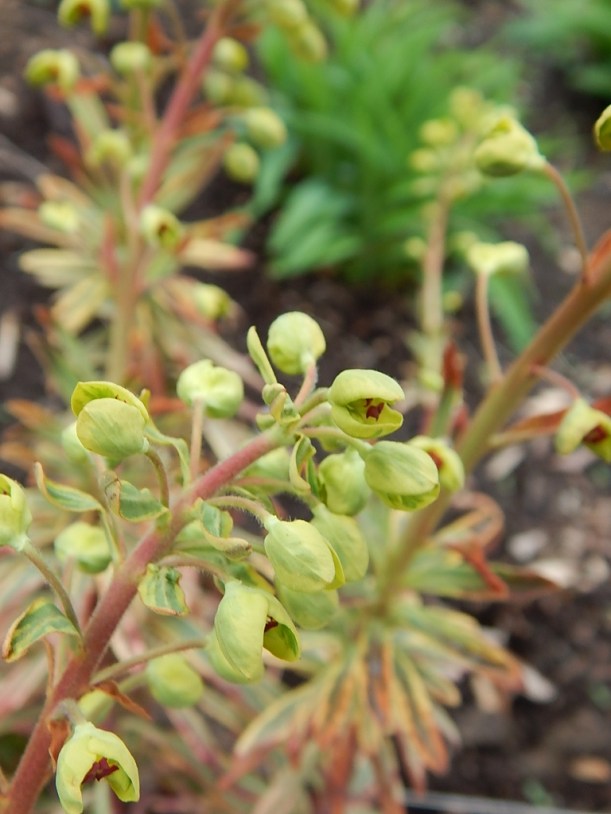
euphorbia in bloom (768x1024)

I’ll cover the euphorbia with a large pot to protect the young blooms from frost and the rhodo will be covered with a sheet. I’ve also placed a pot over the clematis that has emerged by about four inches.

What’s the weather doing in your part of the world?