The Arch City Gardener

Journeys In St. Louis Gardening and Beyond


Leave a comment

Weekly Update — Buckets of Rain

rainIt has rained buckets in St. Louis. The photos from my last few posts were taken during the brief reprieves Mother Nature provided. I’m sure even She gets tired of pouring rain. I know my sump pump is working over time, and a distinct “squish” can be heard and felt underfoot during my now twice daily yard and garden inspections. Just three days ago some parts of the St. Louis region received more than 3 inches of rain. And I believe we got a repeat performance early yesterday morning and throughout the day.

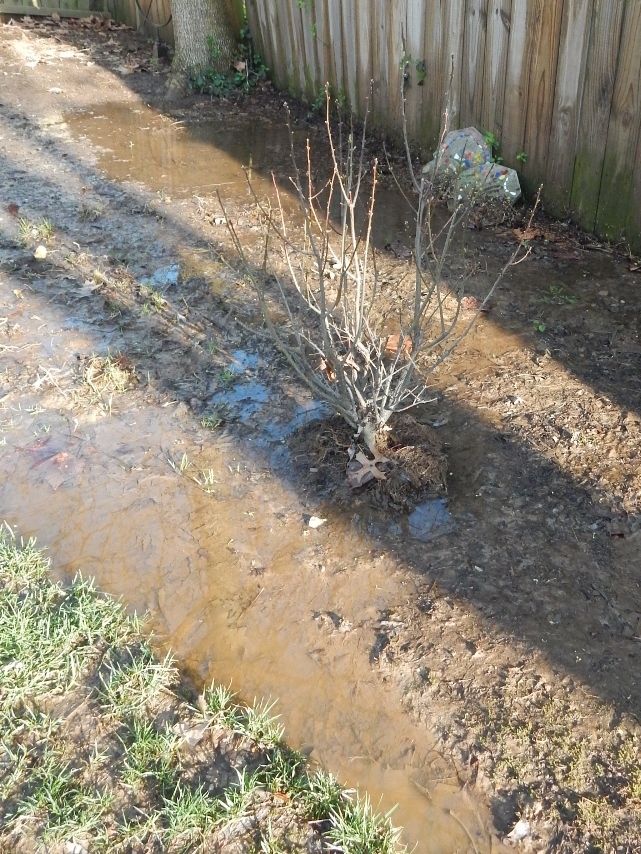
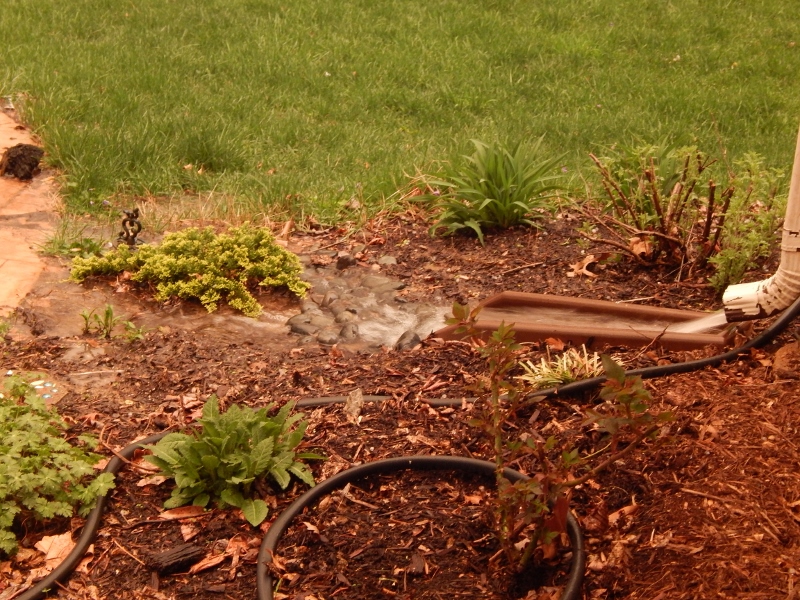
Standing water is common after heavy rains in the low lying area of the yard. This is one of the problem areas of the yard. And I am attempting to address it with plants that like standing water.

ponding bed

Ponding occurs in the southeast corner of the yard after prolonged rain or a very hard rain. I planted winterberry in this spot last fall because it supposedly withstands standing water.

Needless to say, my first plant purchases for the season remain unplanted. Accompanying the rain are very warm temperatures. Today we were near the mid-80s F. This puts us more than 20 degrees above normal. While I expect we will cool off, I am not too worried about a major freeze, as our average last frost date is April 12, just days away.

Lest I begin to sound like a complainer, let me cast some sunshine on this predicament. The lawn, trees, shrubs and perennials are emerging quicky. The tonic of moisture and warm temperatures are just what they need. Here’s a closer look at their progress.

astillbe growing

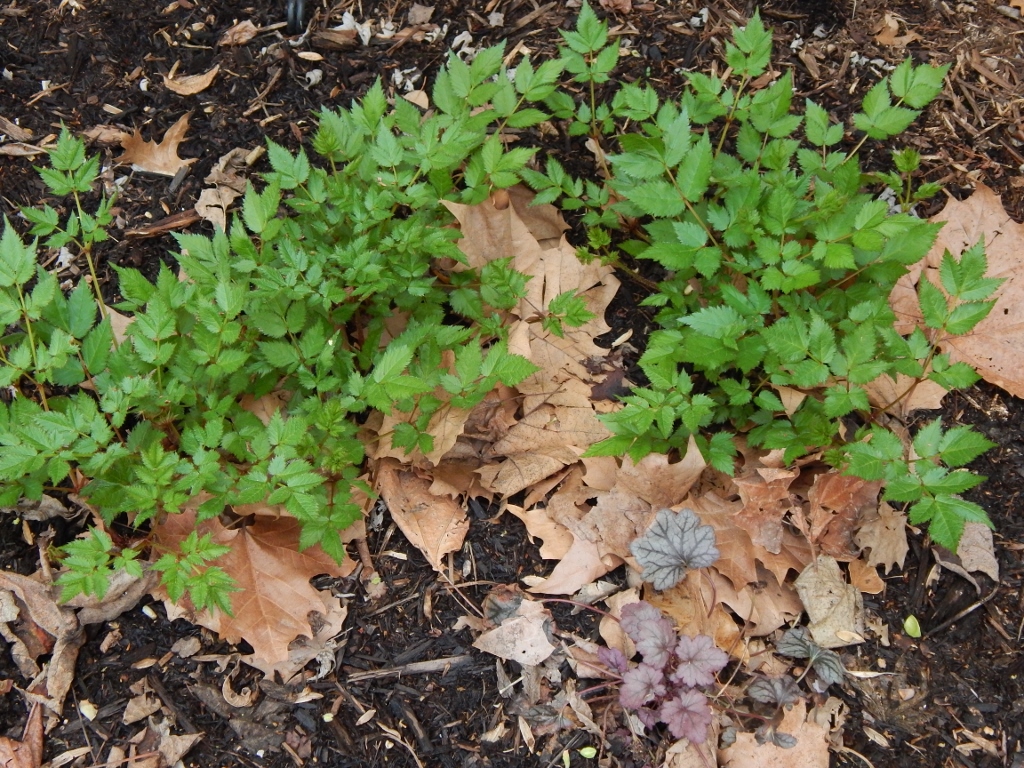
Astilbe Chinensis “Visions” are coming along. Heuchera “Plum Royal” is peeking out near the botton right.

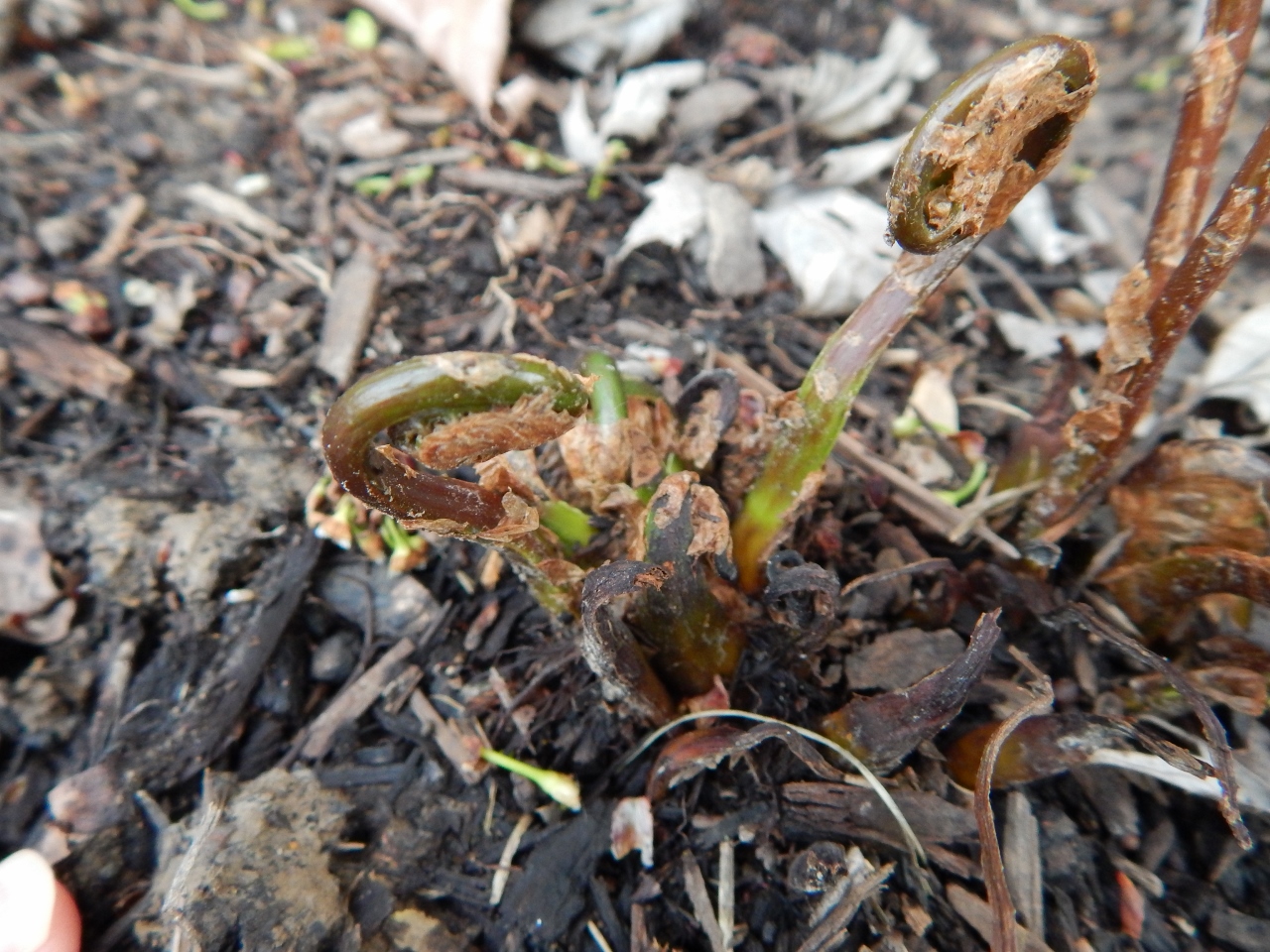
The ferns I planted last summer--and thought would not return--are back!

The ferns I planted last summer–and thought would not return–are back!

bloodgood maple leafing

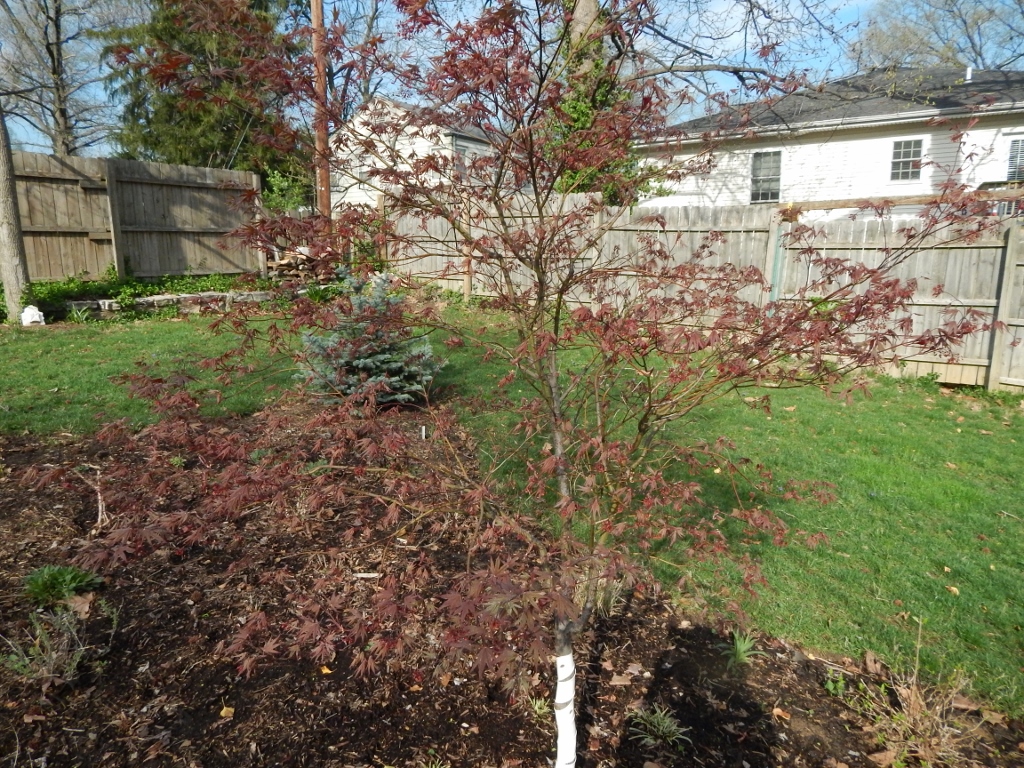
The Bloodgood Japanese Maple has been a proven winner in my yard since I planted it in 2012.

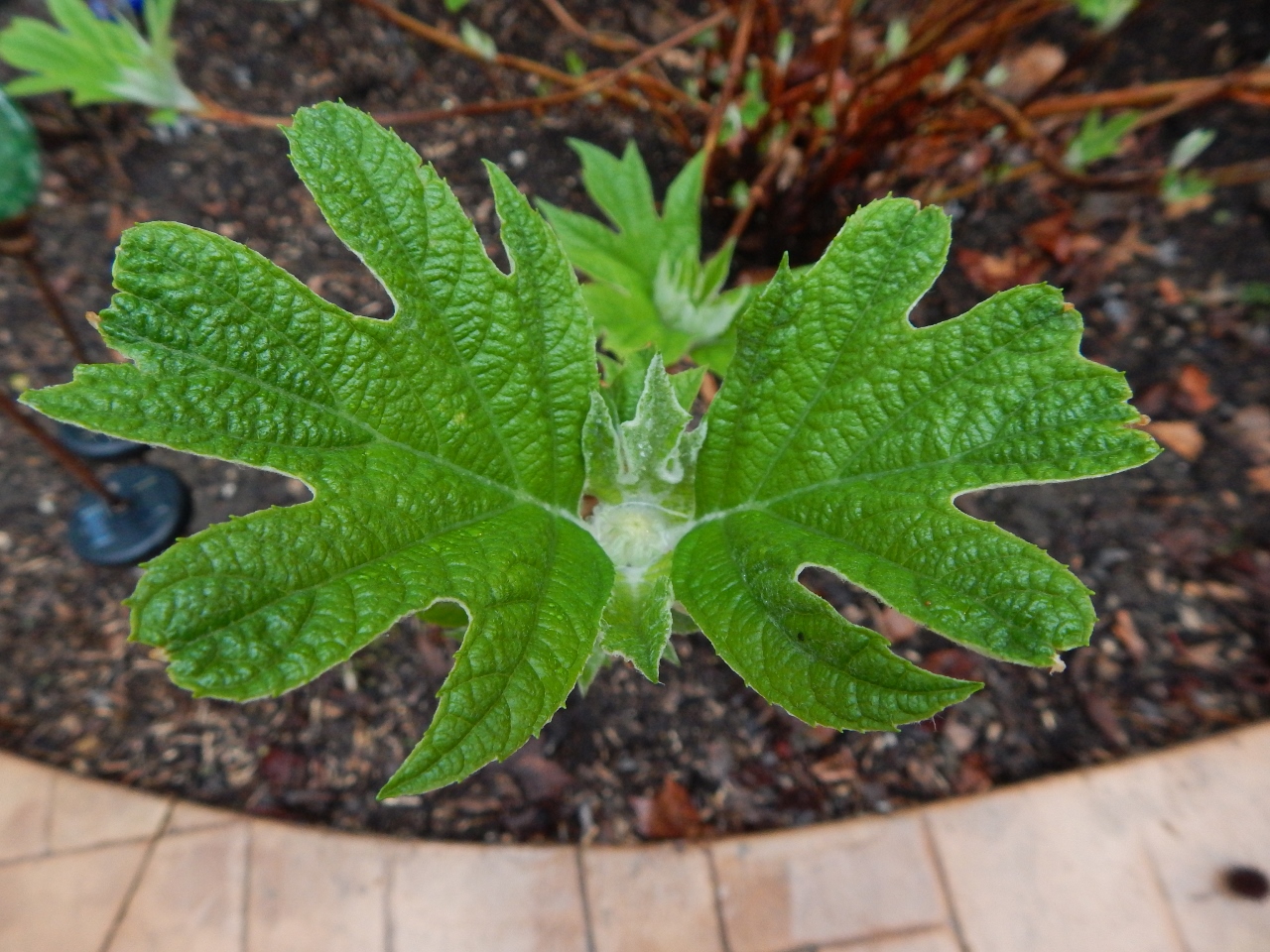
oakleaf growing

Emerging young leaves of oakleaf hyrangea “Alice.”

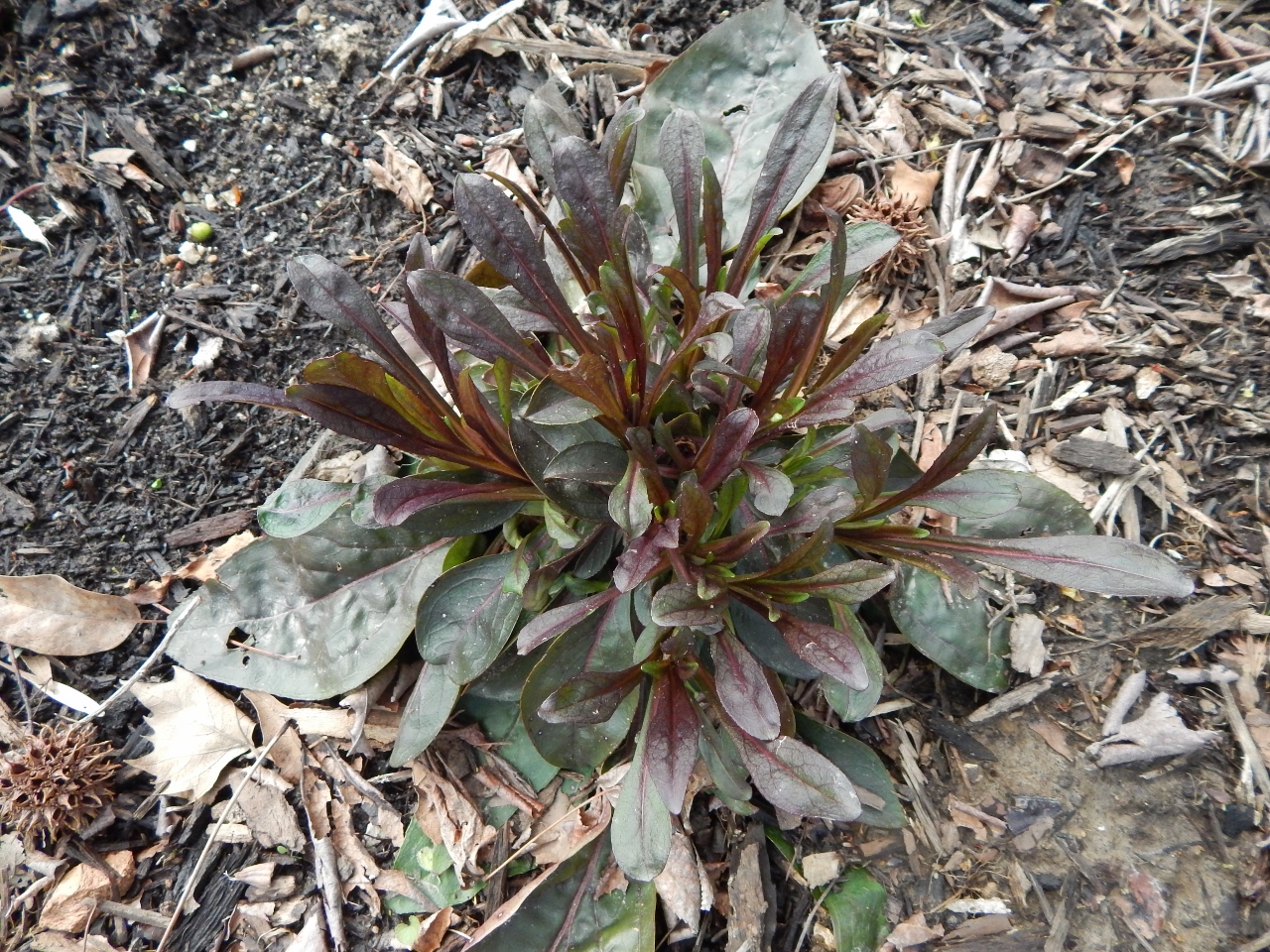
"Dark towers" penstemon digitalis.

“Dark towers” penstemon digitalis.


2 Comments

Weekly Update – Spring’s Freshness

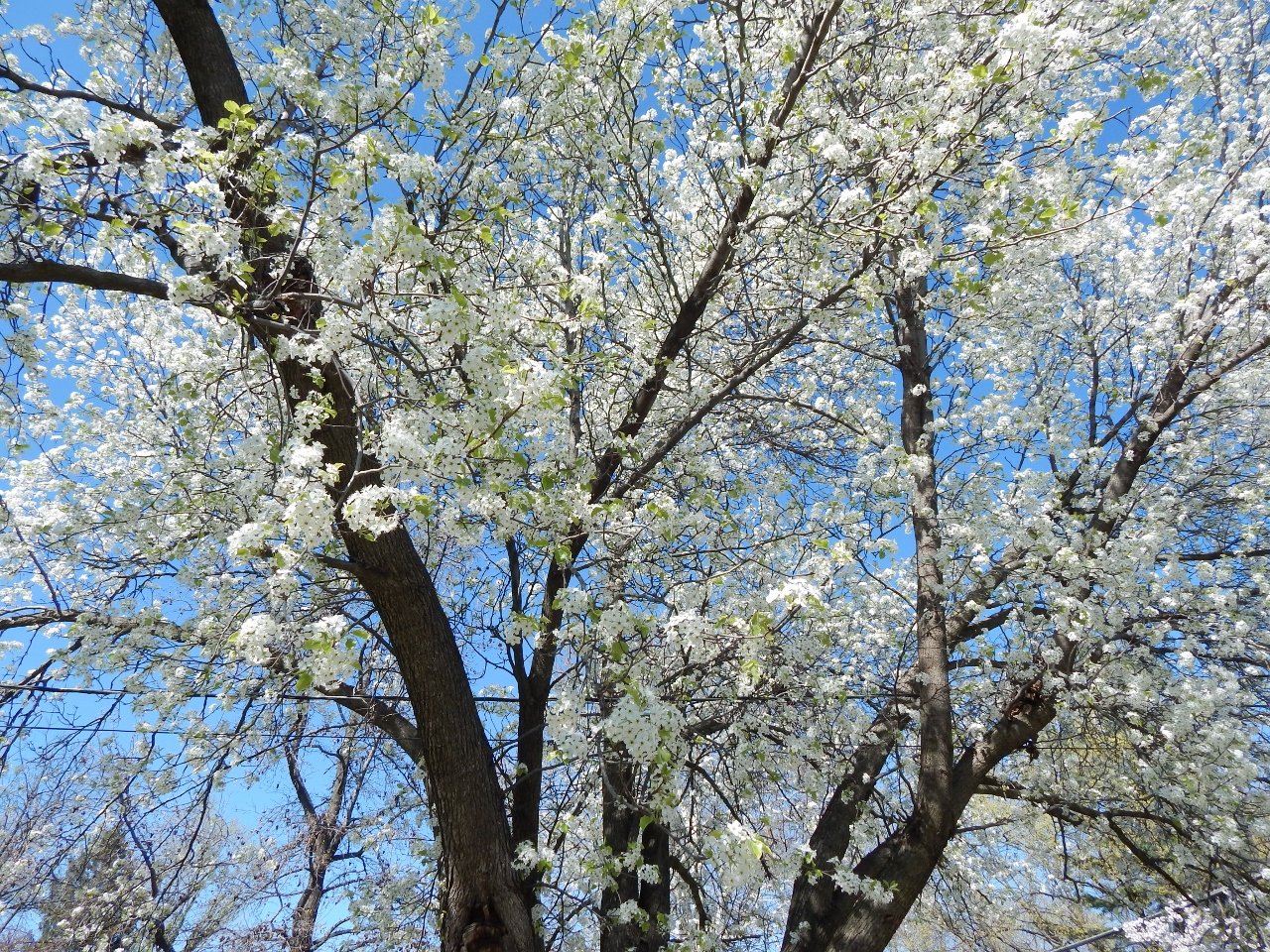
crabtree (1280x960)Crisp as a cracker. That’s how the air felt Saturday morning. Fresh and cool, I believe Spring is at its glorious peak in St. Louis. Daily the local landscape is pop, pop, popping with an abundance of gorgeous flowering trees.

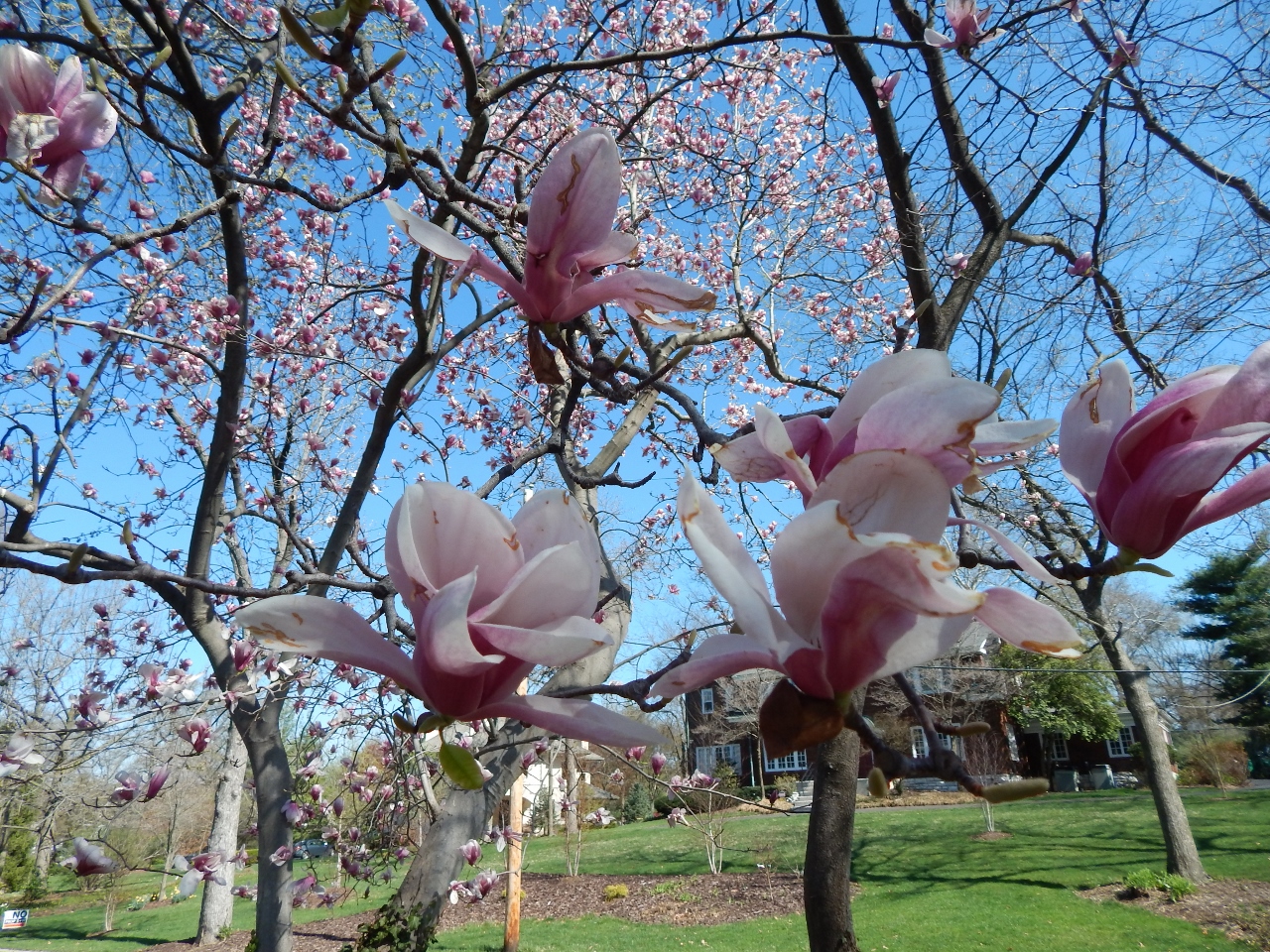
There was a real freshness in the air when I took an early morning walk. We had a drenching rain on Thursday, a cleansing rain that rid the streets of any remaining salt and debris and washed winter away. Friday’s rainy, overcast disposition turned sunny with bright blue skies and temperatures in the low 50s when I got out and about on Saturday morning. Here is what I glimpsed: Pink, yellow and white magnolias; bright, bright yellow forsythia; purple red bud just beginning to burst; soft pink cherry trees in full bloom; rosy-red and white flowering crabapple trees, and rows of Christmas-tree shaped Bradford pear standing tall in white bloom along the the edge of the road. All are on display in their full glory just a short walk from my home.

magnolia close up

Magnolia liliiflora

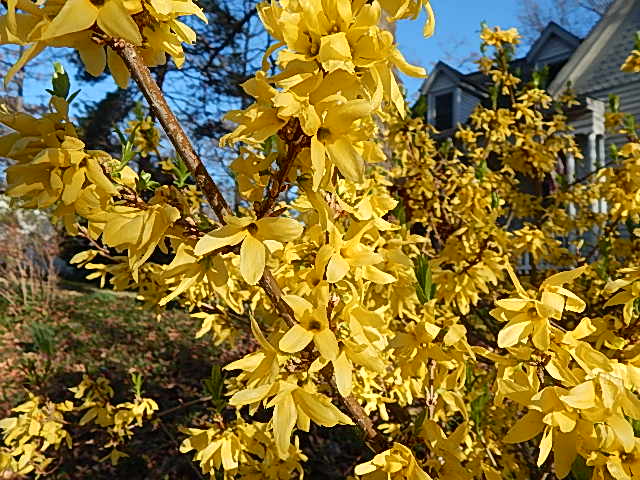
forsythia (2)

Forsythia – oleaceae

I wasn’t the only one to take notice. Front porches are pretty much a staple in this area and I came upon more than one resident sitting on their porch, newspaper and coffee cup in hand enjoying the alpine-like air. This time of year is fleeting. I am glad I made time to stop and smell the roses.

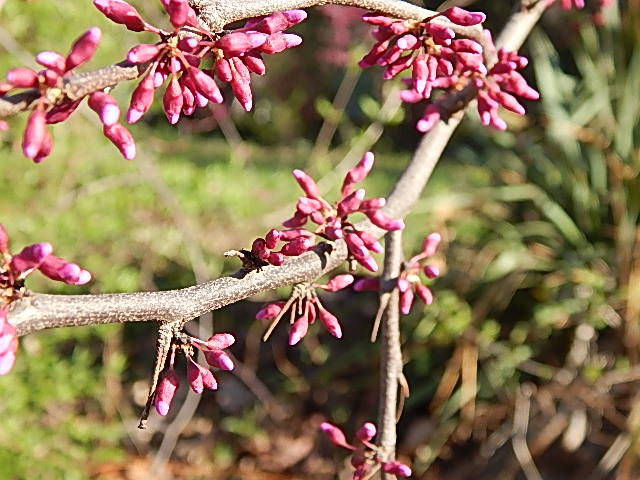
redbud

Red bud – cersis canadensis

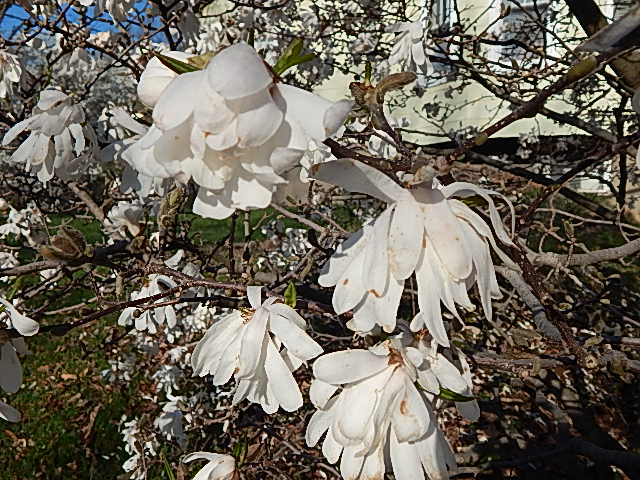
star magnolia

Magnolia stellata


2 Comments

Budding Spring

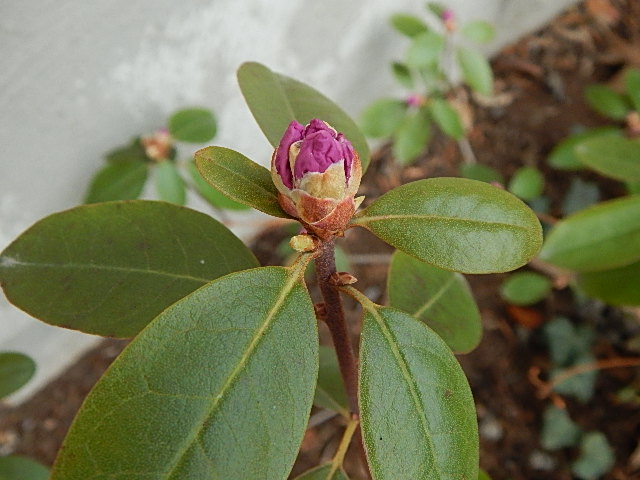
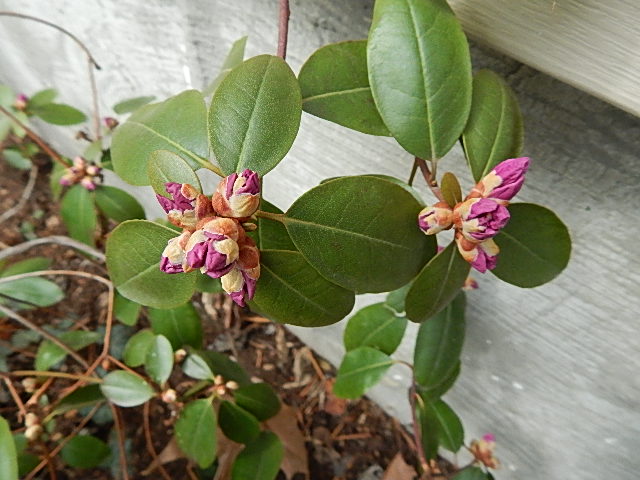
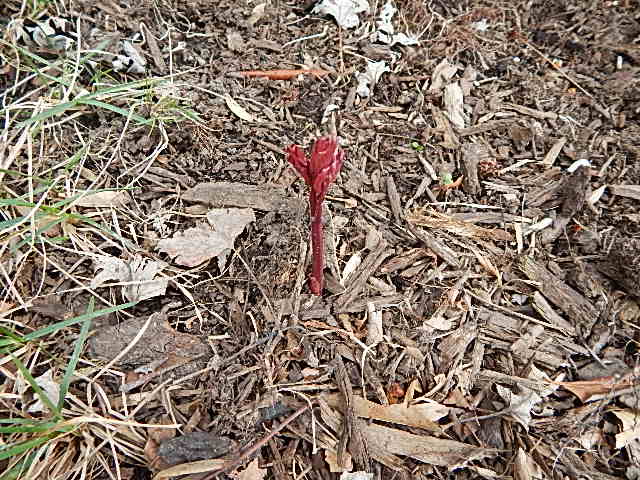
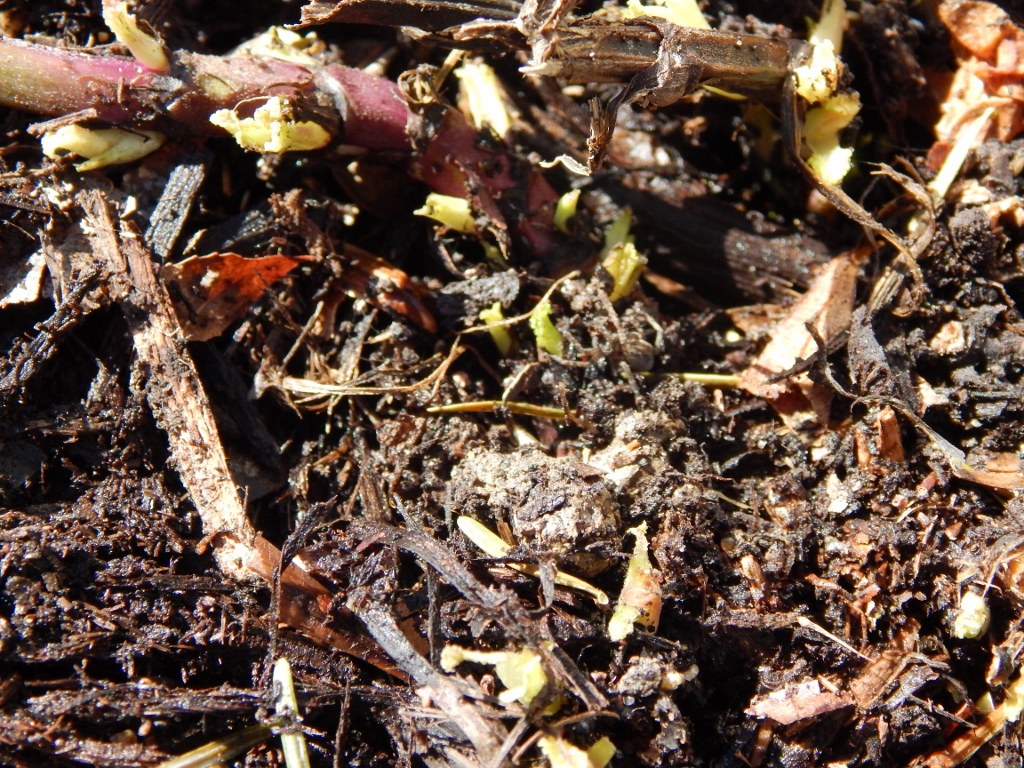
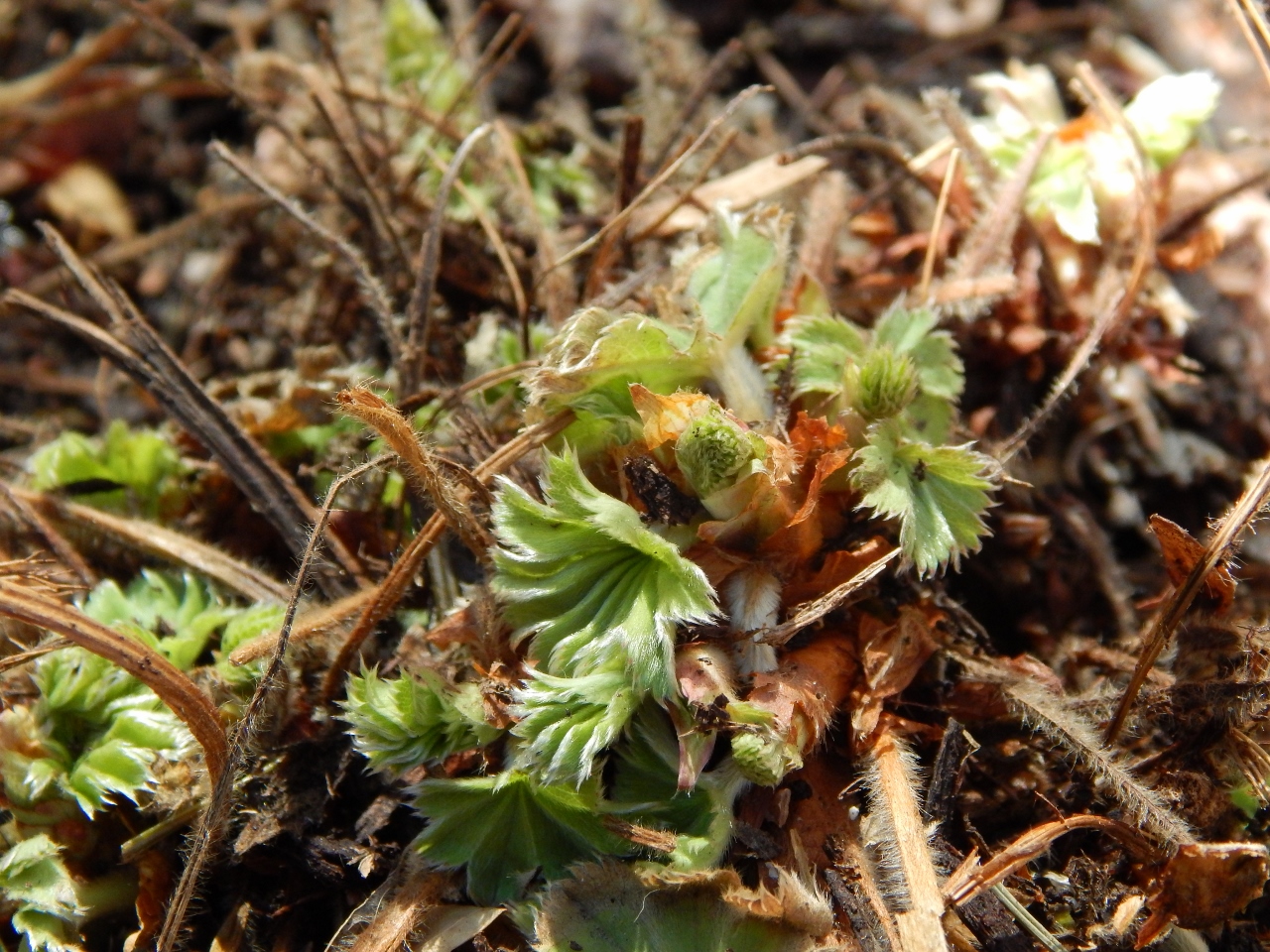
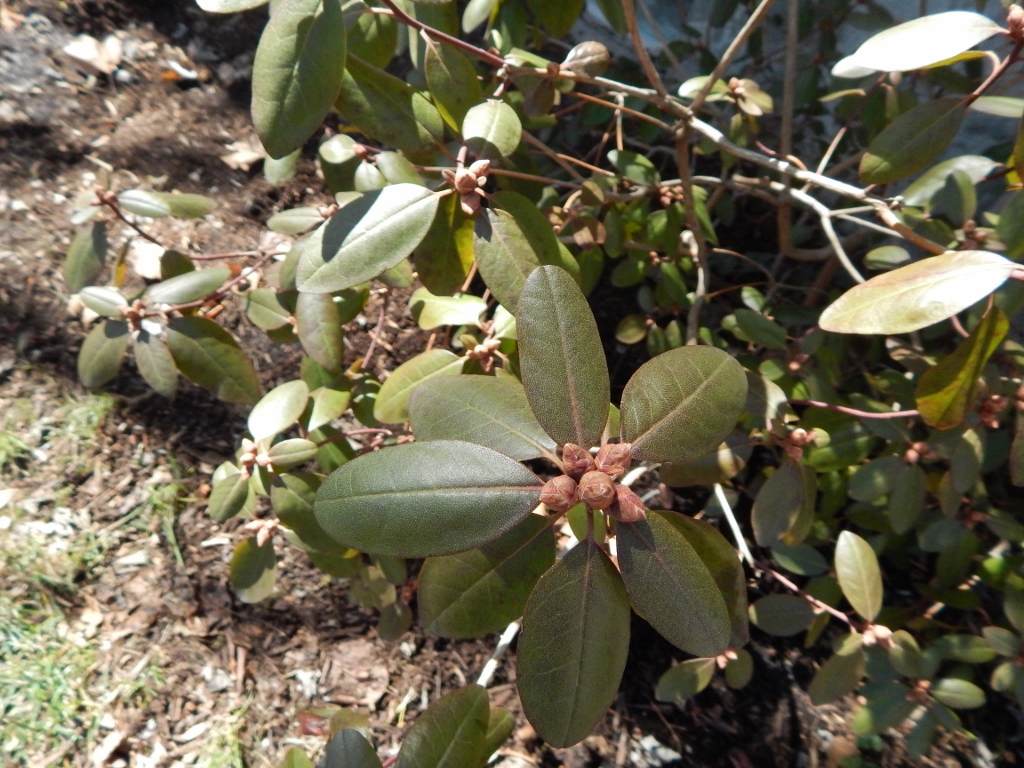
Like a baby, the garden is in a constant state of growth and change now and each day’s walk-about reveals something new. On a windy, feels-like-a-lion Sunday in late March the rhododendron, compact buds just a few days ago, are beginning to bloom. And I scouted a lone peony emerging. I imagine there were peonies in the yard at one time and this is what remains. I moved it last year to what I think might be a more suitable location and thereby improve its odds of developing beyond the lowly spike you see here.

budding rhododendron budding rhodo II peony


2 Comments

Thinking About Sustainability: Composting

horizotal r sage daisy (1024x768)
What does your garden landscape say about sustainability? This is something I am thinking of more frequently for a few reasons: to protect the watershed, to reduce/maximize resource use and reduce expenses. As I began creating my backyard garden, my focus was on installation of low-maintenance plants and shrubs, with an emphasis on shrubs suitable for the conditions in plant hardiness zone 6a/6b. With that in mind I selected plants that are drought tolerant and some natives.

Sustainability–and I am really not crazy about this word…it feels kind of like the buzz-word-of-the-day to me–has always been in the back of my mind, however. I have spent considerable time researching rain barrels since I began my yard improvement efforts and plan to put in two or three barrels this year. And If you would have asked me three years ago if I would be composting, I would have resolutely said, “No.”
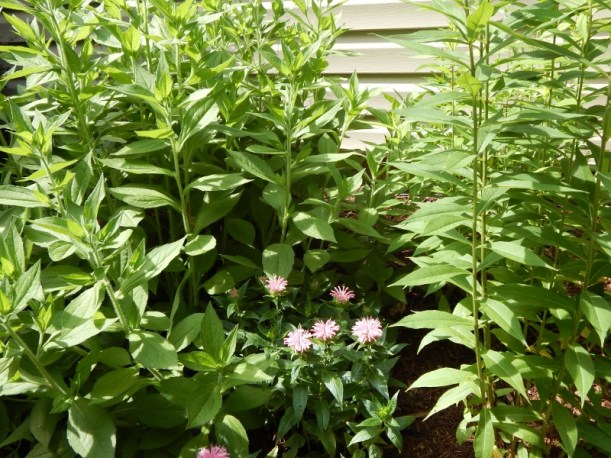
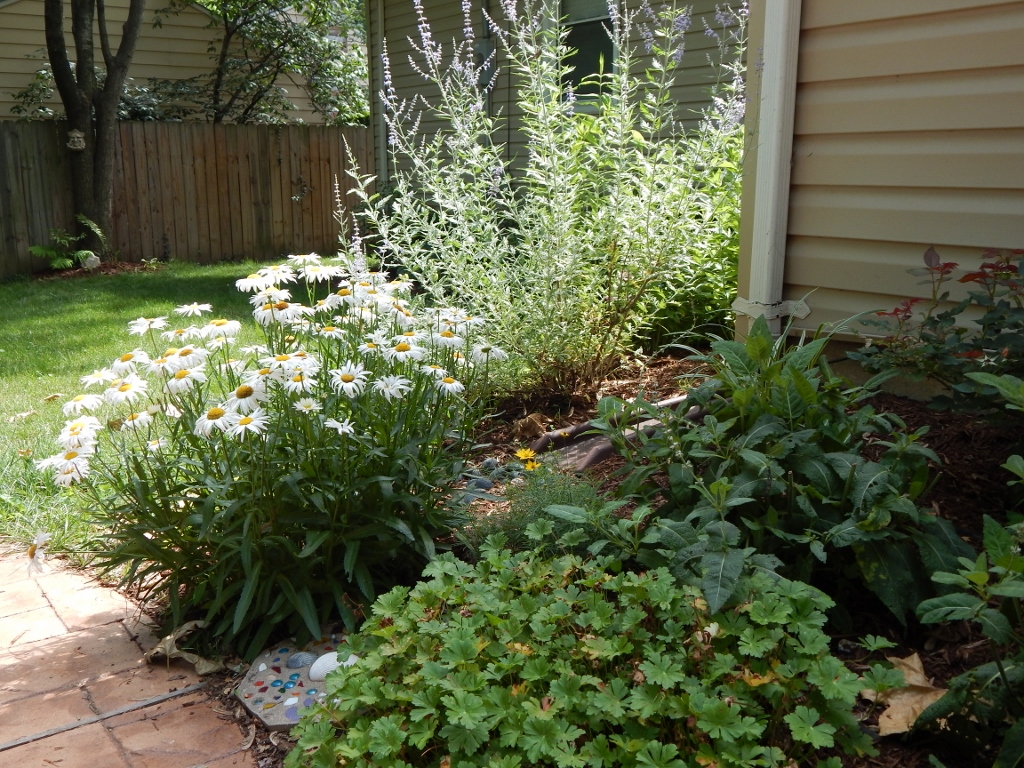
The young beebalm "Pardon My Pink" is dwarfed by black-eyed Susan on the left and tall garden phlox on the right.

The young beebalm “Pardon My Pink” is dwarfed by black-eyed Susan on the left and tall garden phlox on the right.

I had tried composting at the old house when the kids were little and I had very little time to devote to the garden or yard, other than to pick up the toys before we mowed or move the hose. With a pallet as my base, I constructed a container in an out-of-the-way corner in the yard using heavy gauge wire. I put PVC pipe that we drilled holes in into the center of the compost and dumped in the leaves from the stately oaks, dogwoods and maples that freely dropped mountains of leaves in the fall and when I thought of it some grass clippings. I watered it now and then and really just forgot about it…for a few years, actually. I don’t think I turned it more than once or twice a year. It seemed the most attention it received was in the fall when I filled it up with new leaves.

One day a few years later, I noticed it had reduced to a pile of, well, dirt. The next spring I added the composted material to the dry shade area of the yard where I was coaxing hostas to grow with some limited success. And what a difference it made! Truly.That corner of the yard that year was lovely and I attribute it to the compost.

But I did not become a compost convert.

Honestly, I don’t really think I was doing it right. I mean, it took years for the stuff to break down. But like the bees I am trying to attract with my perennial selections (or maybe it’s the murmurings of my 20-year-old daughter in my ear), the idea of composting is buzzing in the back of my head. The benefits are many from putting nutrients back in the soil to reducing waste and reducing fertilizers. And, my oh my, there are lots of products out there for the backyard enthusiast.

Pinterest posts lead me to believe composting is Not a Big Deal. When I read about putting a banana peel in the soil by the rose bushes, I think, “Now THAT’S the lazy man’s compost!” Or putting a whole egg in the bottom of a container to feed the plants throughout the season. Do these natural tips really work? I don’t fancy myself as lazy, more like time pressed, and I do like a short cut or two. But I don’t think I will be burying banana peels in the rose beds any time soon.
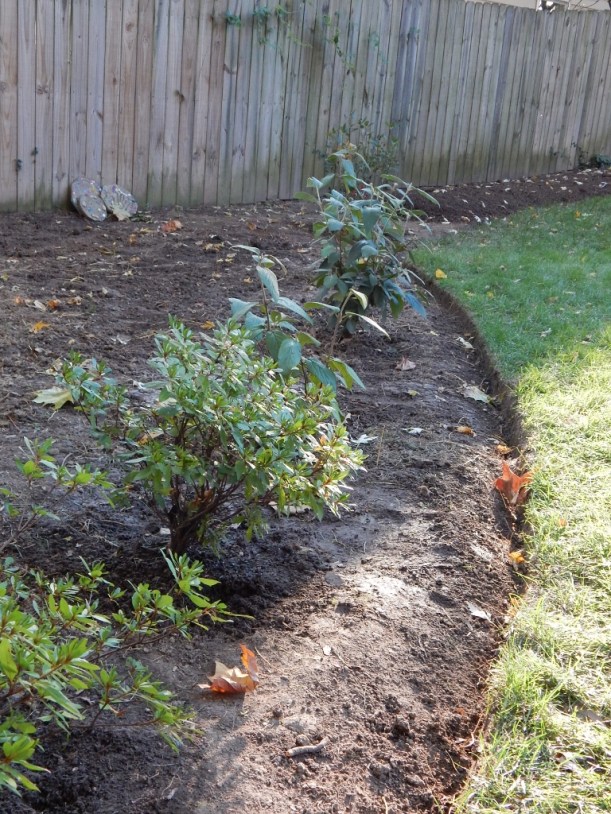
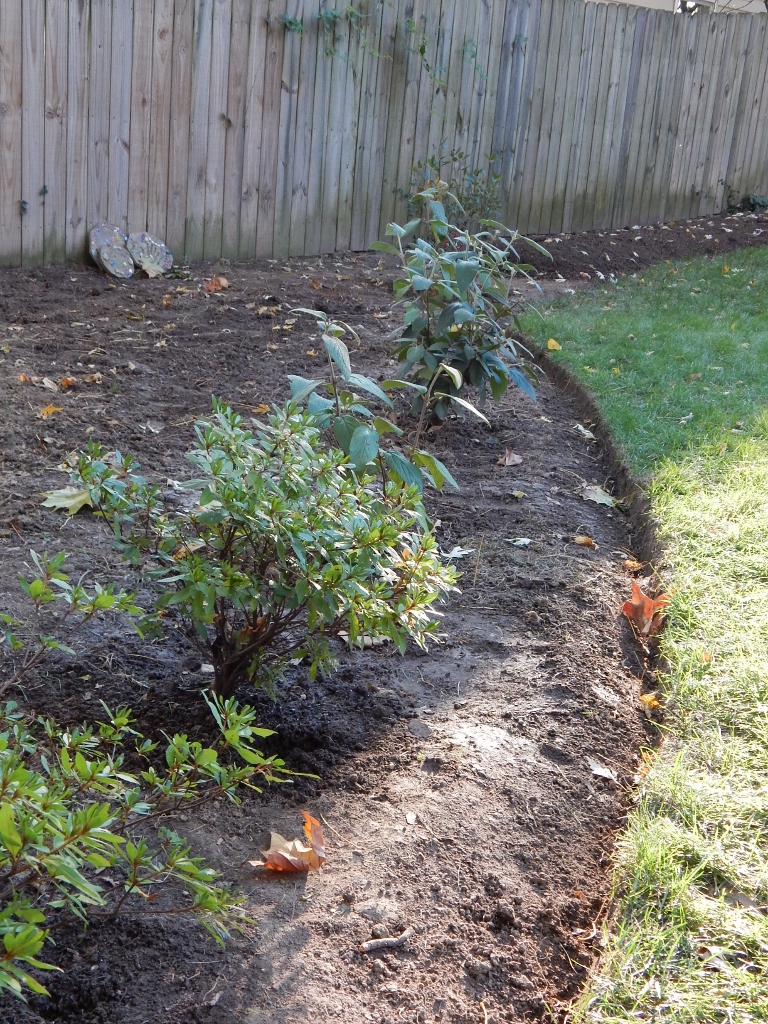
Replanted azaleas 2 (768x1024)

My only true reservation at this juncture is where to place a composter. I envision buying one that has a crank where you can turn the bin. Unlike my last address, I have very limited space and, frankly, I think the compost bins on the market are hunky, clunky and ugly. I don’t want it up next to the house. Last fall, I put in three leatherleaf viburnum and moved some azalea to the front of a wedge-shaped area that behind it is very shady and often wet and I’ve had difficulty getting much to grow there. I did this with the idea that the viburnum will grow tall create a nice screen for something like a compost bin or even some of the garden essentials, such as the wheel barrow, that don’t fit into my one-car garage.

Let’s hope the viburnum are in the right place because the buzzing from my 20-year-old makes me think a kitchen composter is in my future for Mother’s Day.

4 Comments

Lovely, Lovely Art In Bloom

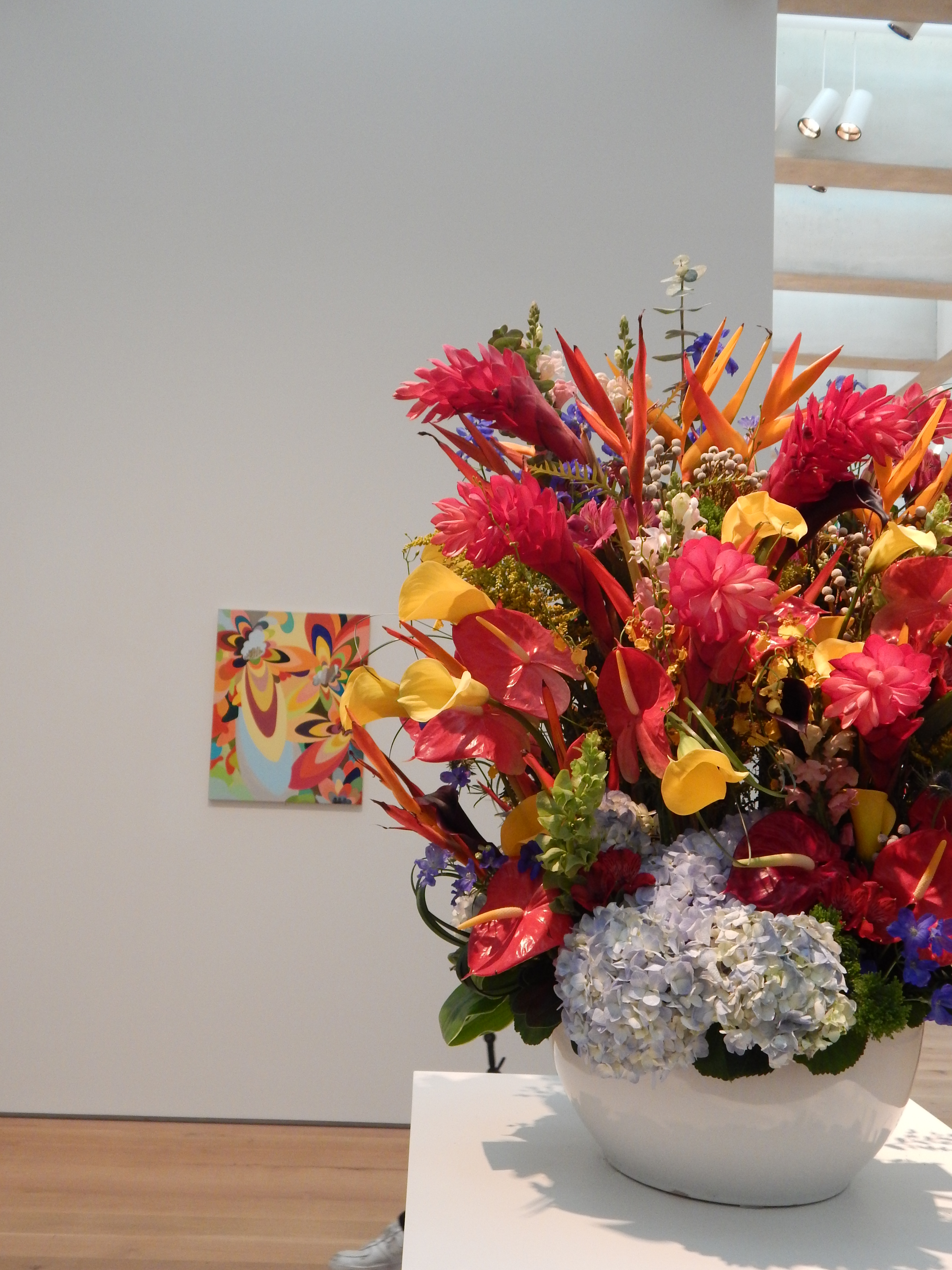
One of my very favorite things to do is attend Art in Bloom, a weekend-only event at the St. Louis Art Museum in which patrons tour the museum to view floral interpretations of various pieces of the museum’s collection. What a brilliant idea! The displays are created by local garden clubs and professional florists. Pieces are scattered throughout the museum so that museum goers may take in the wonderful sampling of the collections. I think there were nearly 60 displays this year.

Docents are on hand to explain both the artwork and the display. In some instances the floral designer was on hand sharing his or her personal story of inspiration. There are three types of judging for various categories–a panel of professional judges, the art museum staff and the visitors to the museum. It’s fun to see how the People Choice awards stack up against the pros and the staff.  For years my sister Nancy and I–and now my daughters–have spent the day carefully judging the designs on our self-guided tour. We like to score the pieces based on interpretation. Some years when we have lots of time we include color and composition.
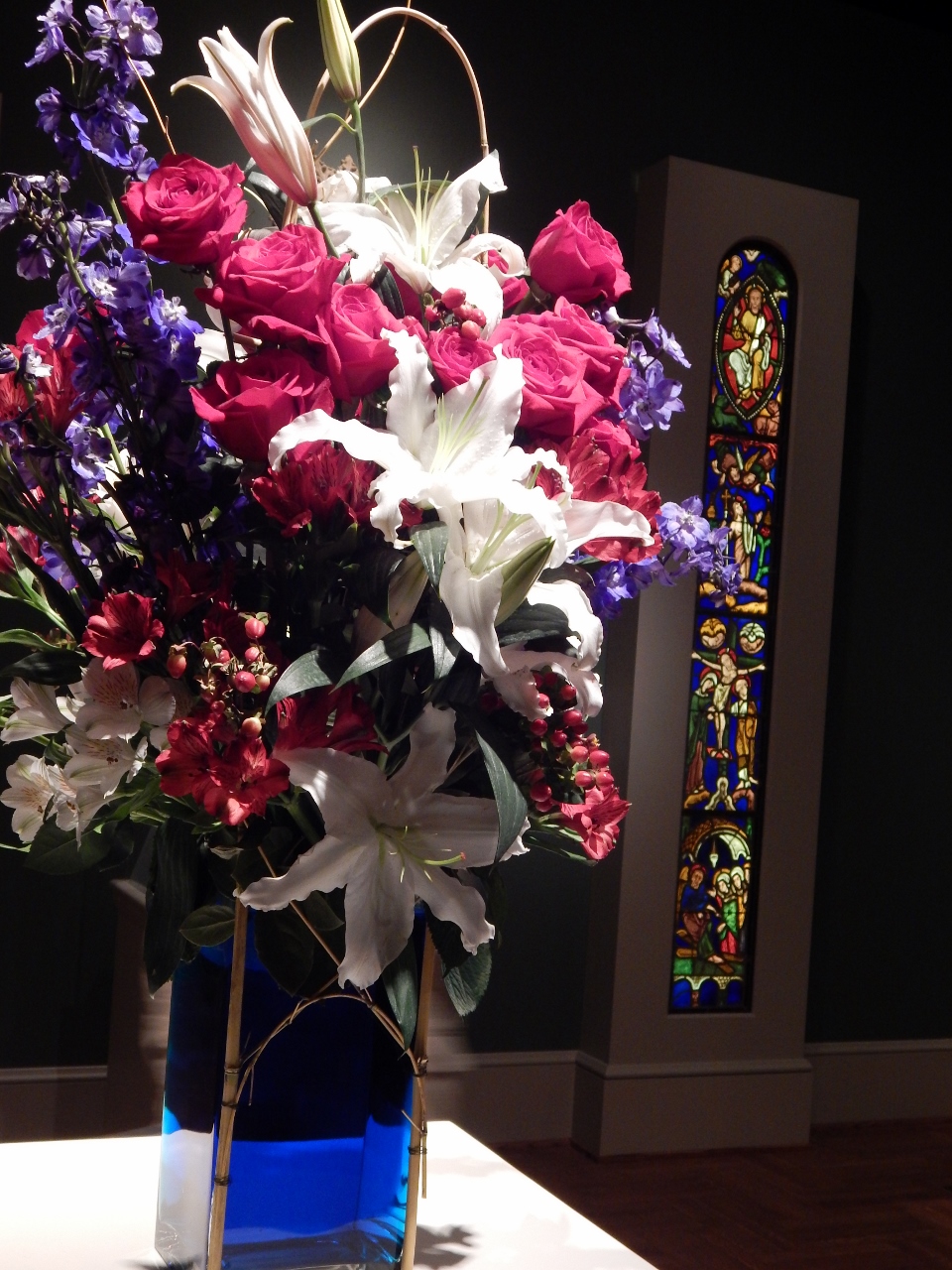
This year there were so many truly splendid designs it was difficult to pick a favorite. We write our scores in the program booklet and then when the whole thing is over, our feet are aching and backs hurting, we head to Nancy’s house for a glass of wine, put our feet up and go through the booklet defending our votes. We inadvertently left the booklet in one of the restaurants at the museum so I am unfortunately unable to identify all of the artists–floral designer, sculptor, painter, potter, furniture maker. The inspiring artwork is in the background of the photo. I hope you enjoy this armchair tour.

Stained Glass Window (960x1280)

White lilies were a central theme to many of the religious works. I loved the vase in this interpretation of the stained glass window. This was one of my very favorites.

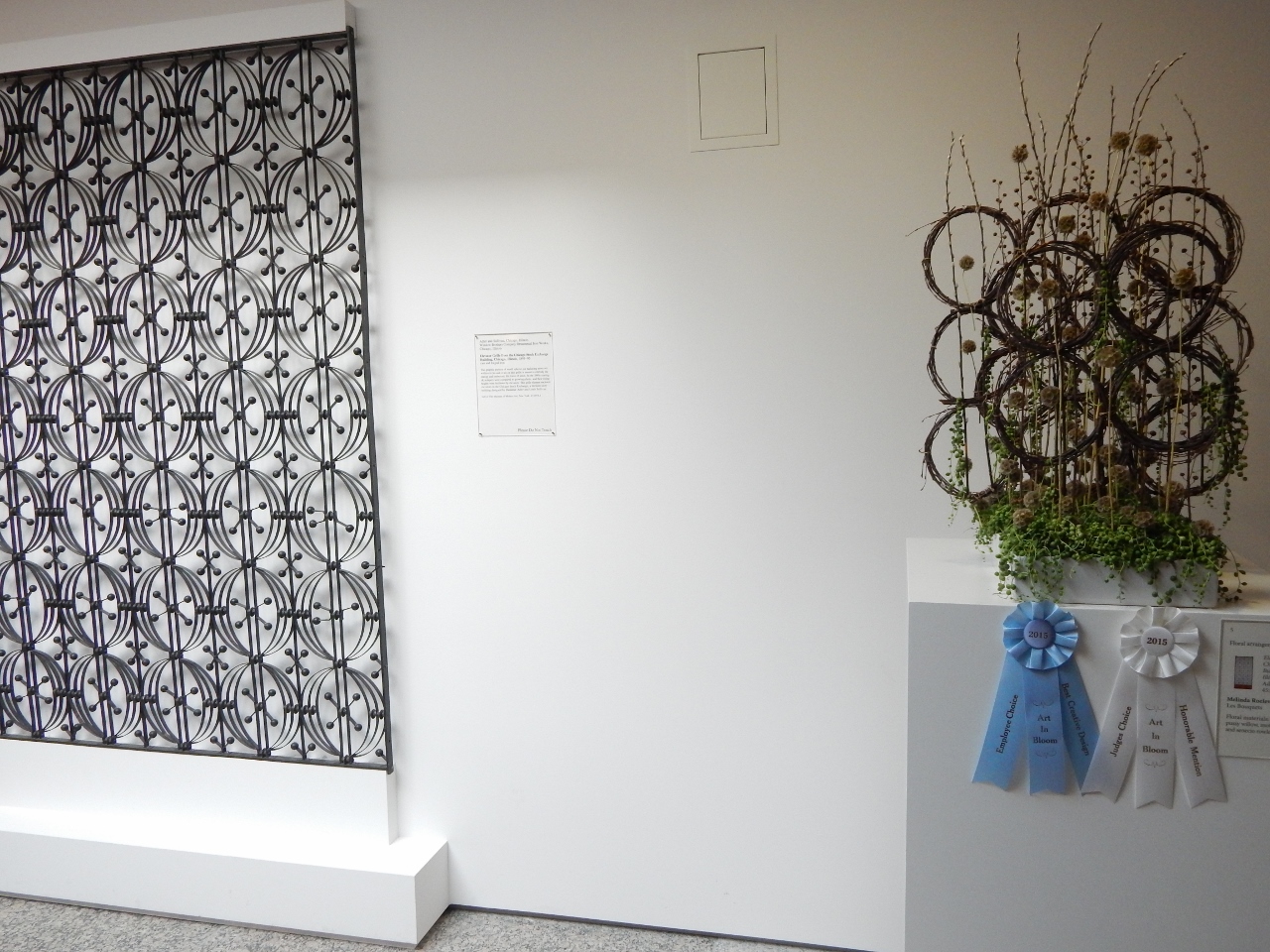
Chicago Elevator Door

The scrolled panel on the left is ironwork from Chicago.

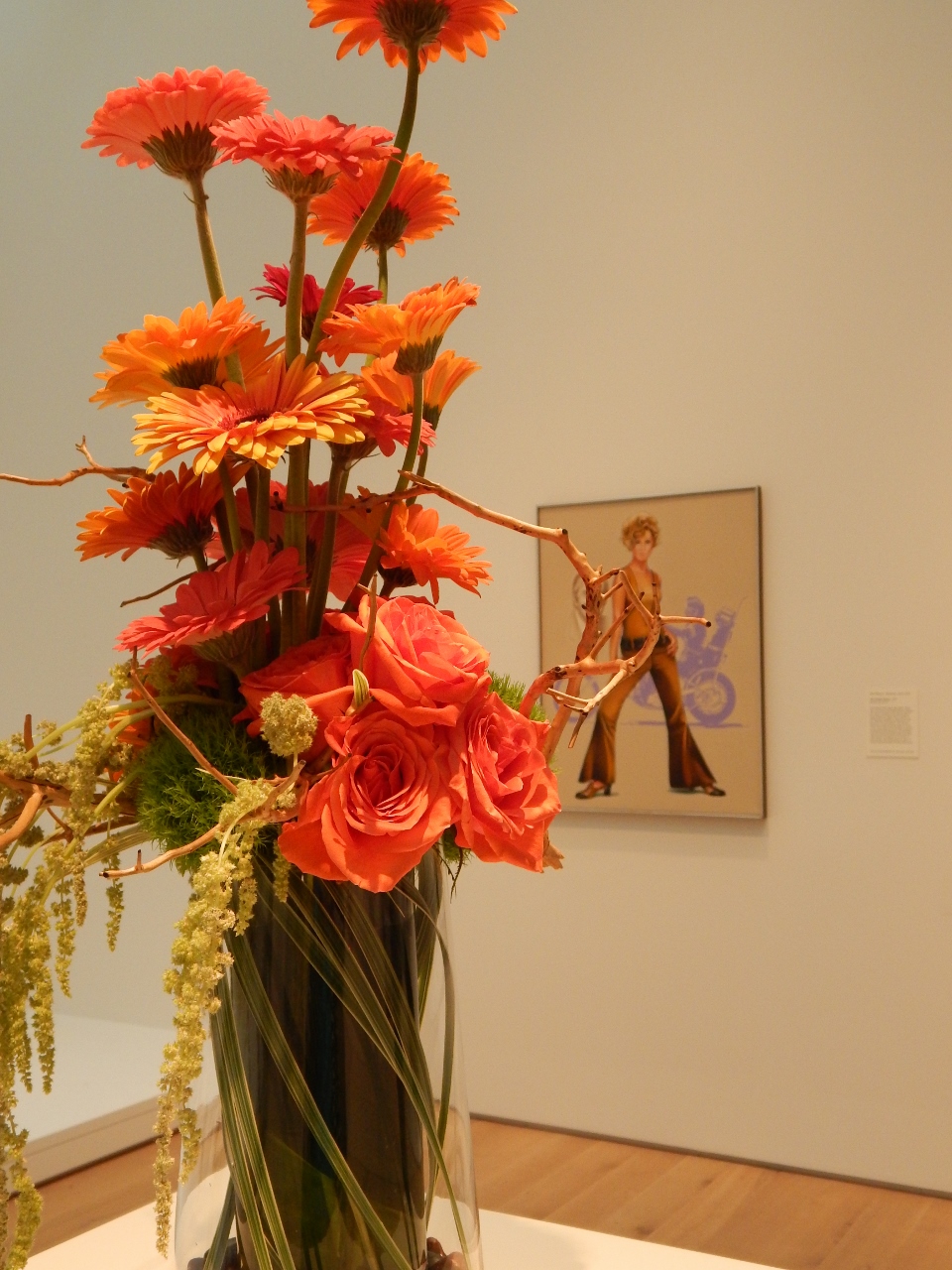
Jane Fonda

That’s Jane Fonda in the background. The painting also includes her brother and father. There was a docent on hand describing how the gerbera daisies are indicative of the 70s. The docents were fun the listen to.

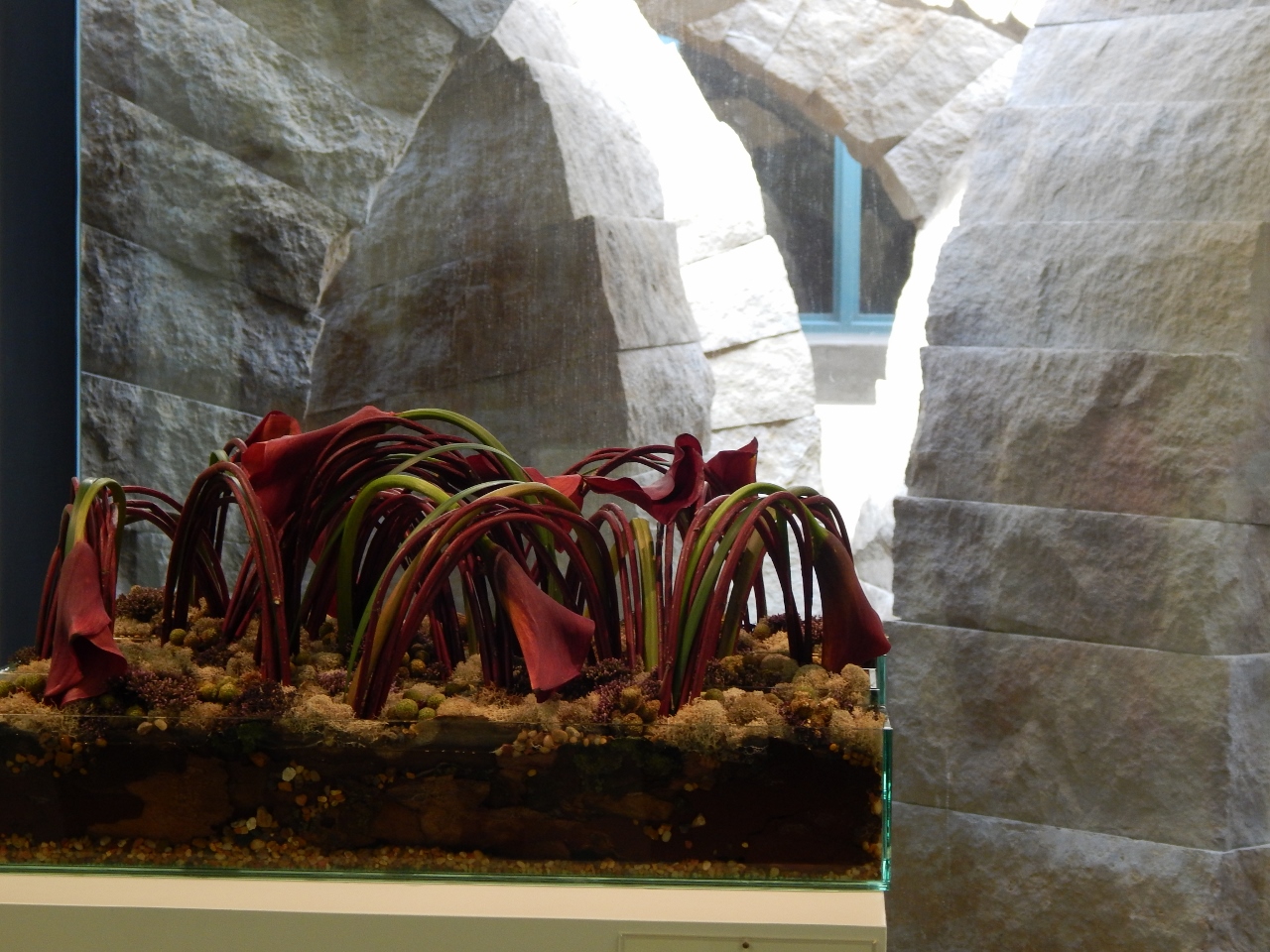
Arches

The stone arches in the background provided inspiration for this piece and lots of conversation among the family judges.

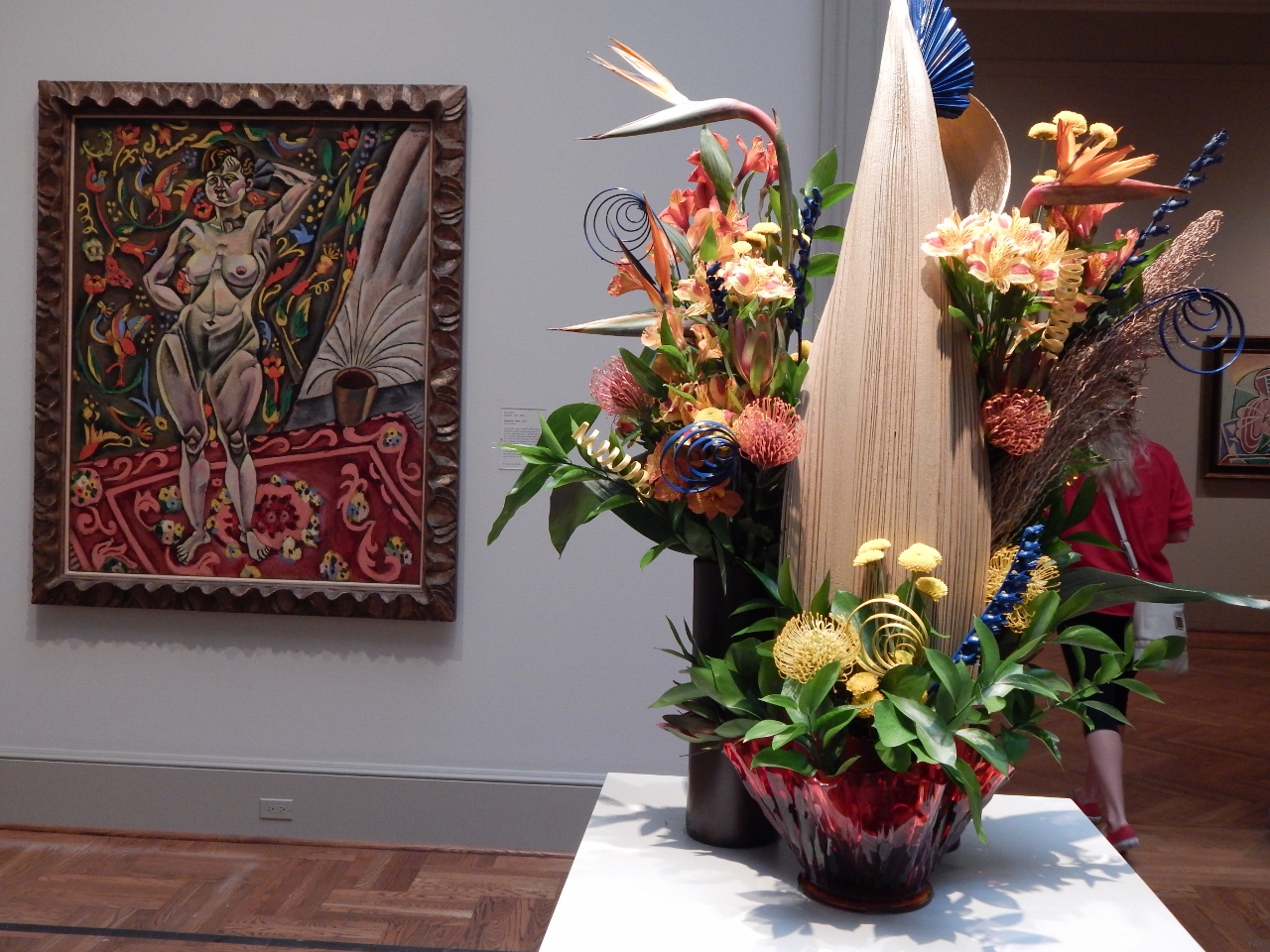
Naked lady on rug

This was one of my very favorites. To me, the containers are an important element of the display and the red fluted bowl in this design really made an impact.

Happy

When I saw this display, I said it made me happy. Nancy laughed and said, “That’s appropriate because that is the name of the painting.”
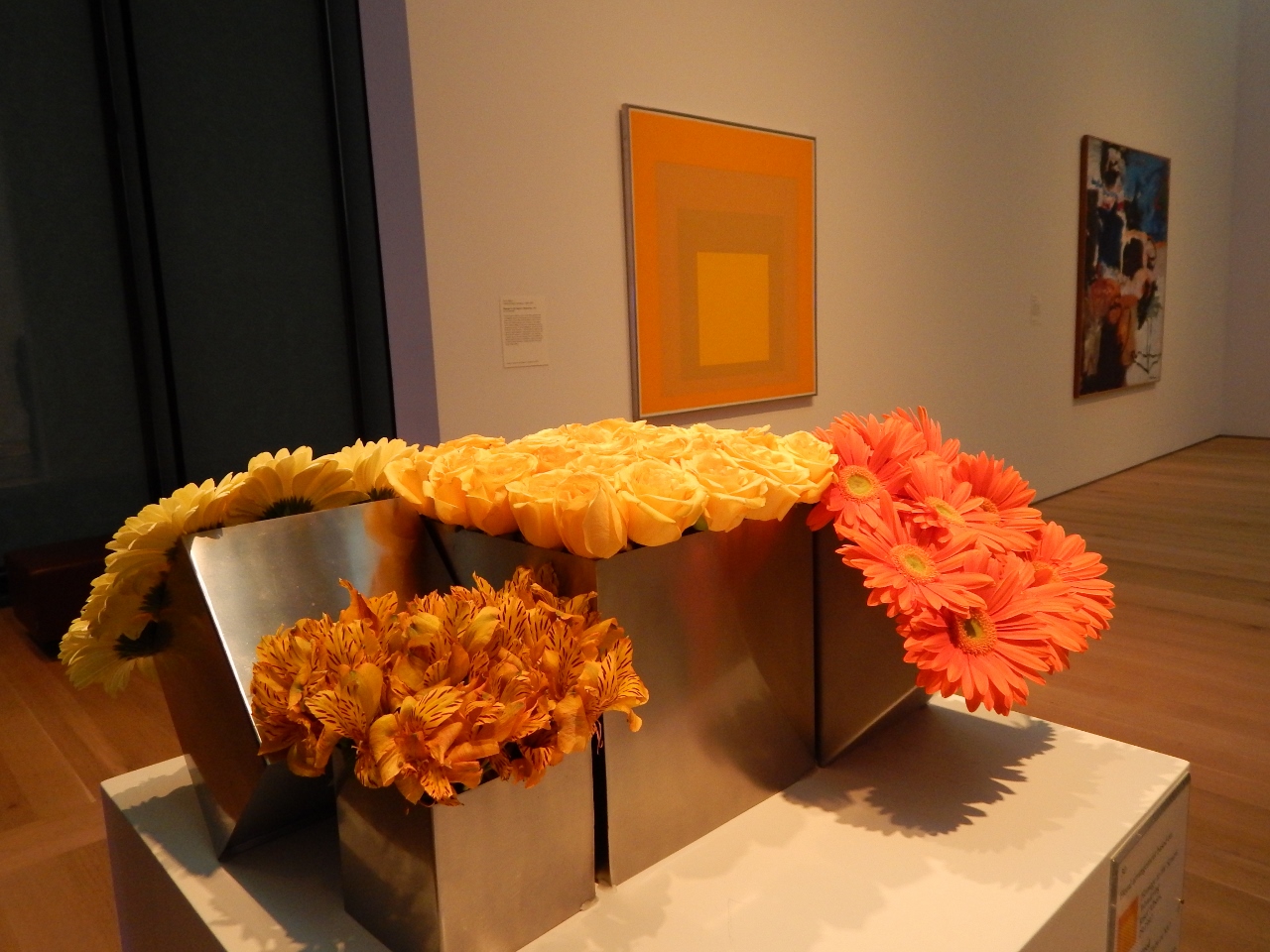
Yellow Square

Very cool. A docent was on hand for this piece and explained the tones of the painting coinciding with the various shades of yellow to orange in the flowers. I liked the square containers which matched the silver frame.

3 Comments

You Blog, But Do You Log?

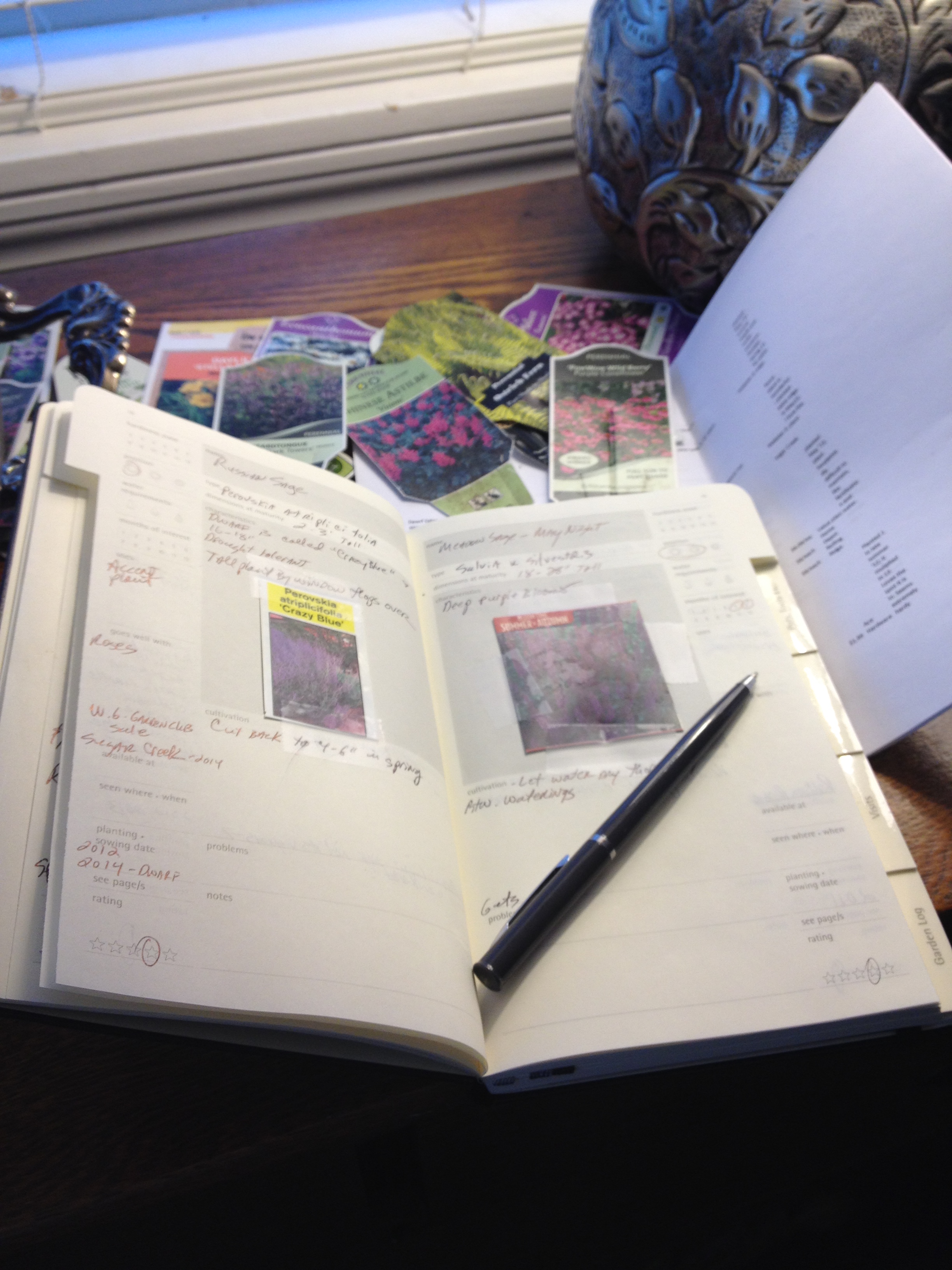
IMG_1057I feel like a kid at Christmas. My Garden Journal just arrived in the mail and I’m busily going through its sections and filling it in. As a starting gardener, I underestimated the need to keep track of what I am putting in my small yard. Or maybe as I get older, I’m beginning to respect the benefits of being organized.

My gardening organization started simply enough that first year, a hand-written list I took with me to the with to garden centers and plant sales and I kept the plant tags for handy reference the next year–if I could only remember where I put them. Ah, but it quickly morphed into an Excel spreadsheet with column headings for light, placement, characteristics and the other attributes commonly found on the tag. I also used the spreadsheet to keep track of what I might want to put in the yard. (Somewhere along the line, the software I used was updated and the spreadsheet somehow got corrupted and the user experience is lacking for me.) And, then there are the crude drawings of the beds I am planning stuffed into the backs of books and magazines I was reading. You can probably get the drift of my dilemma: disorganized attempts at organization.

I am trying the new system, which is a bit more old-fashioned than a computer-generated spreadsheet, but somehow may be more satisfying. I’m cutting and taping the plant tags onto the pages for a visual. I am transferring information from the goofed up spreadsheet, and the journal includes a section for mapping out garden beds. This is a down-time project before the flurry of spring and summer gardening takes me out of the armchair and into the yard. I don’t doubt that I won’t be collecting more plant tags this year, but with my hand-dandy journal there’s a pocket for them.

How do you stay organized? Do you have a seed box like Julie at Peonies & Posies? I couldn’t help but wonder what Dee Nash’s organization tips are after reading Red Dirt Ramblings’ starter list of what she intends to plant this year.

Beyond the blog, how do you log?


1 Comment

Do You Believe in Magic?

On a cold, dreary winter night this week a spell was cast in Glendale, MO.

I am among the 5,900 or so who call this bedroom community home. And several of us came together this week as volunteers for a community beautification effort called Grow Glendale Gorgeous. This grassroots effort was started by a woman named Julie. Her plan is to beautify the community with containers, gardens, and landscapes. This week she and her board members hosted their second community meeting, an evening get together at City Hall to share their progress and start sign up sheets for a work day in April and to volunteer to water.

Here’s a little bit about Glendale: It’s 1.2 miles large and is situated in central St. Louis County. These are just statistics, however. What they don’t tell you is the pride and passion its residents have for this place. Glendale was recently named the #1 community to live in Missouri. While there may be no city park (at least I have not come across one in the 4 years years I have lived here) if GGG has its way, the city will be unified with large containers overflowing with flowers, a native garden bed at the school, window boxes at local businesses and gardens and containers at City Hall.

Julie and her crew describe it as “magic.” Do you believe in magic? I know I do. I look forward to sharing progress of GGG in the coming months.


2 Comments

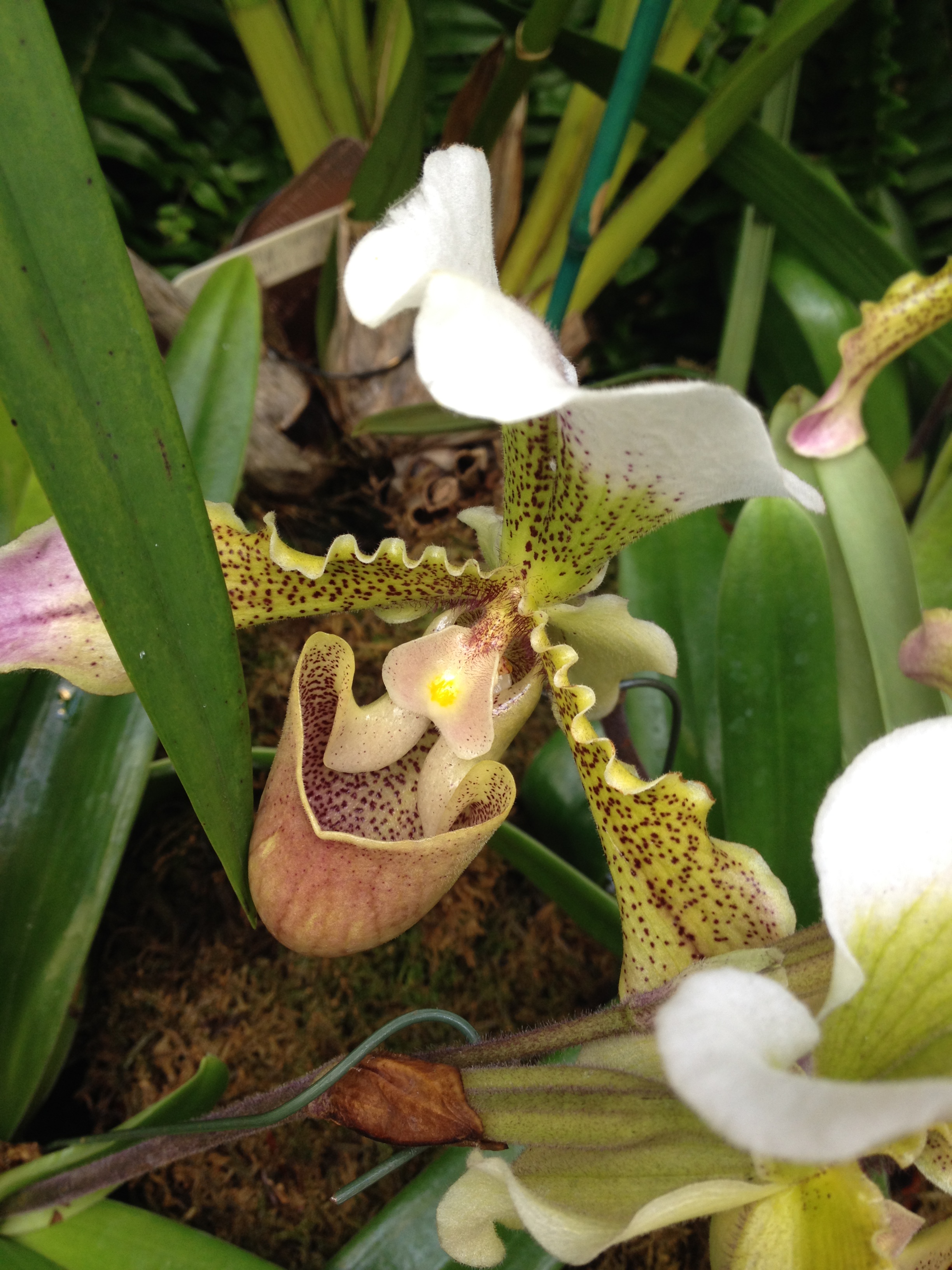
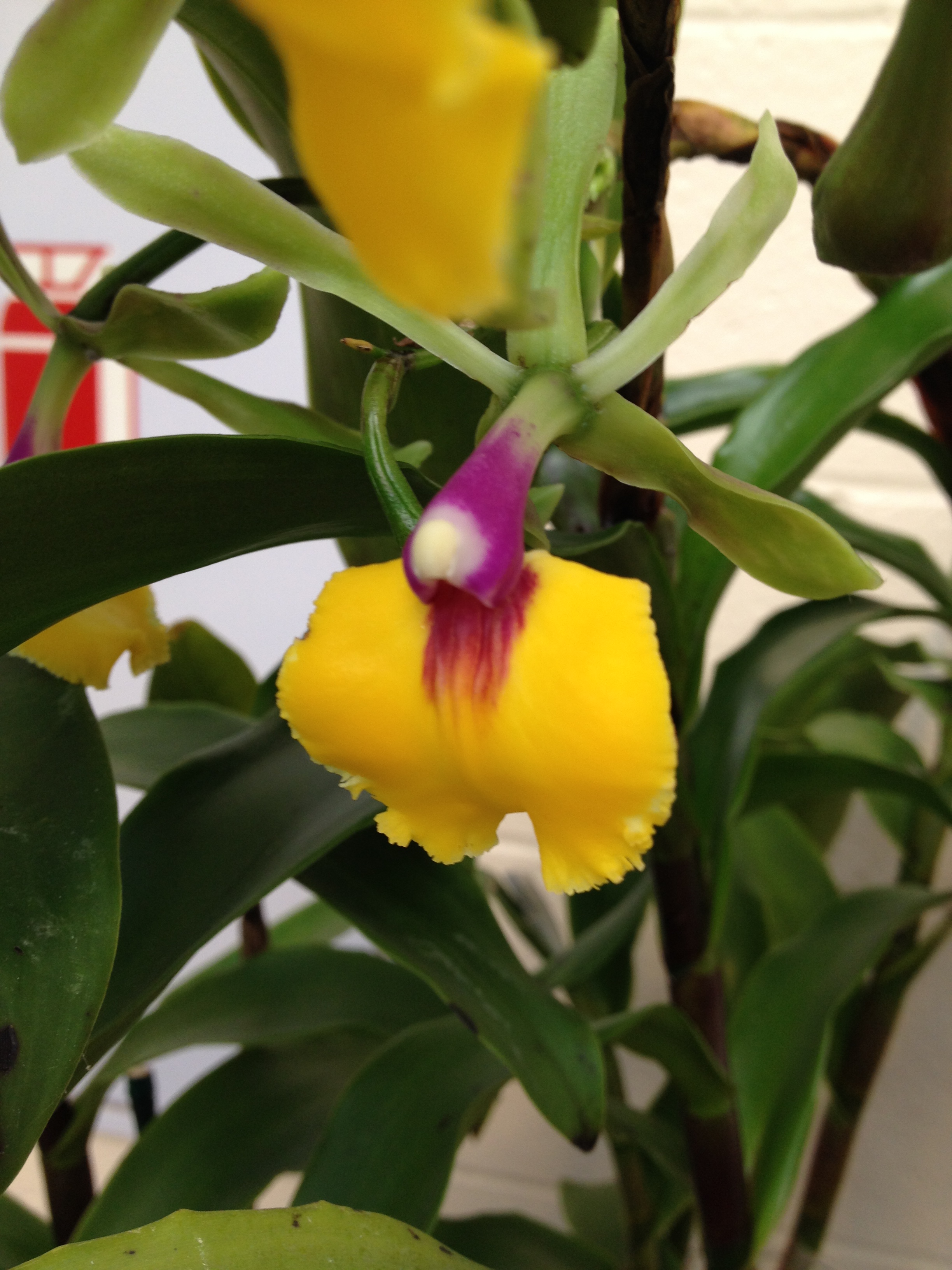
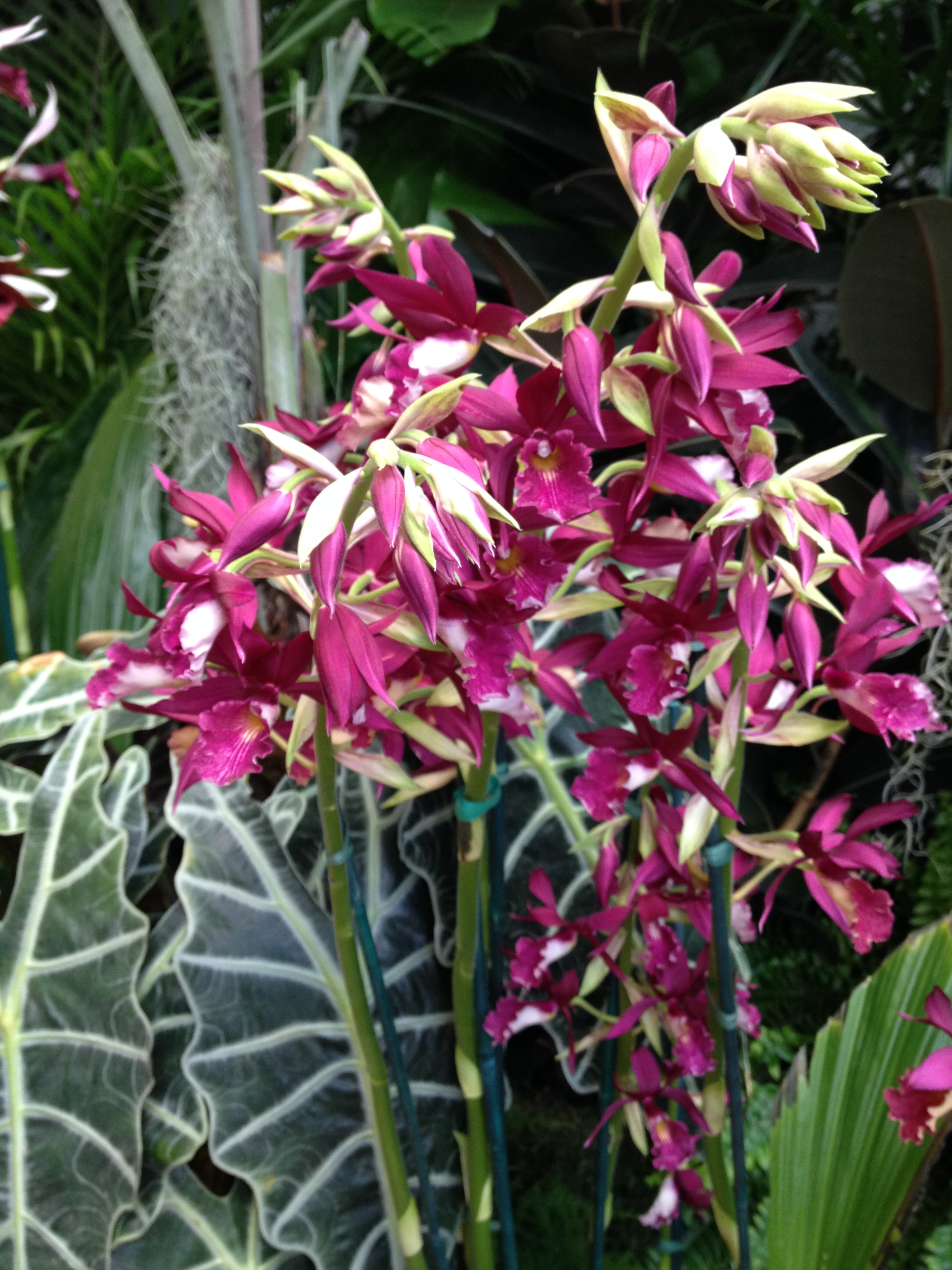
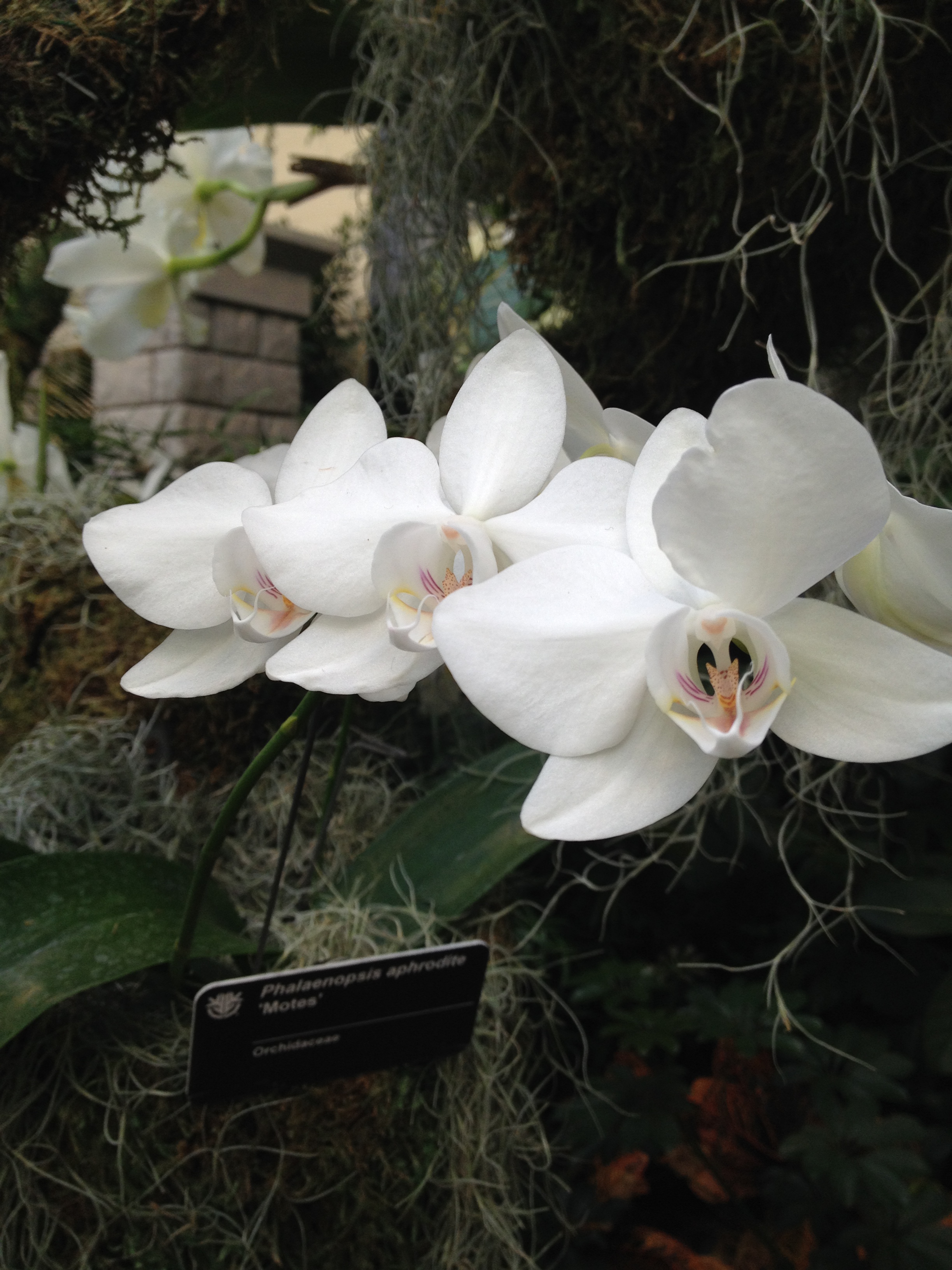
Missouri Botanical Garden Orchid Show

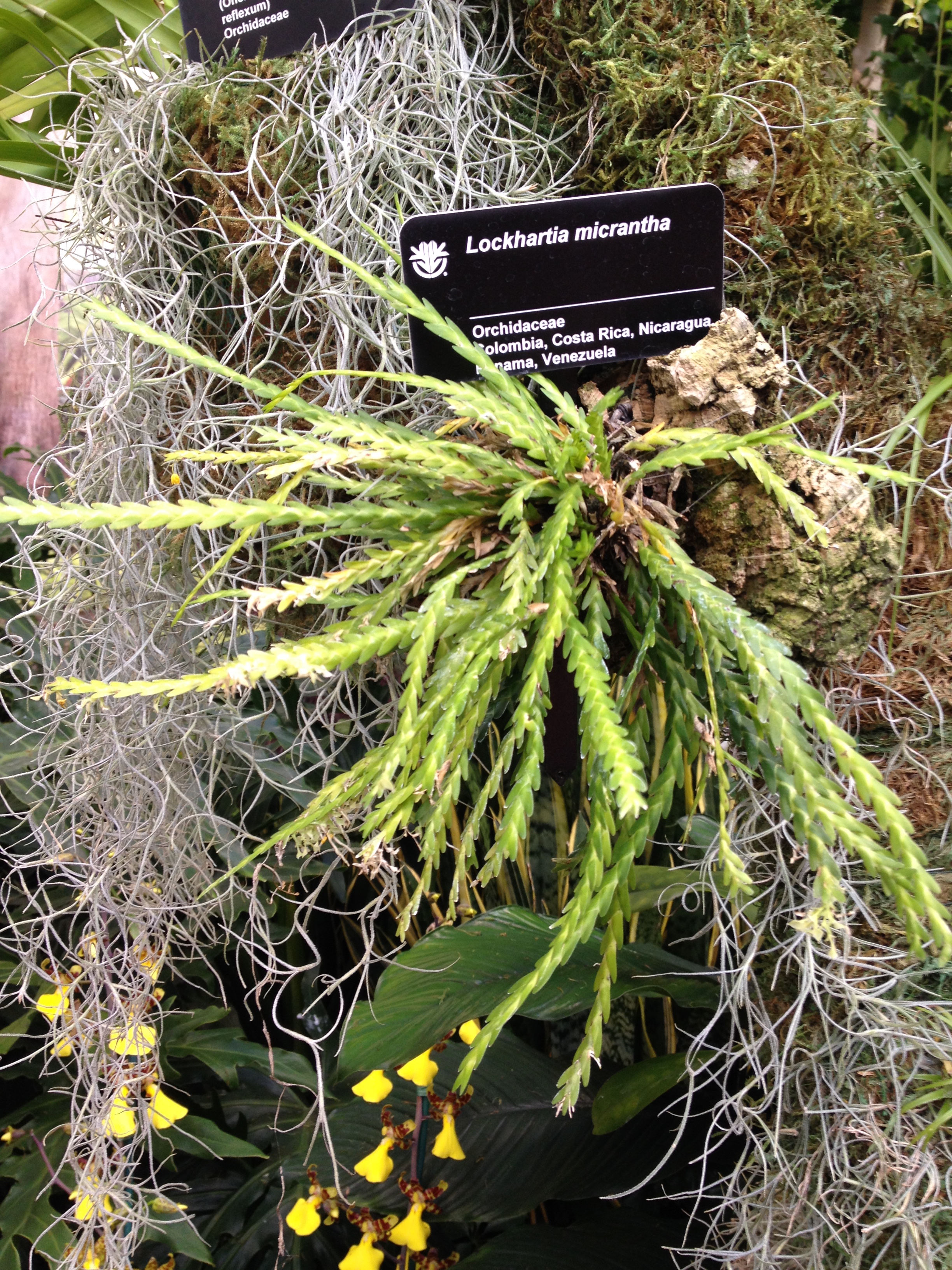
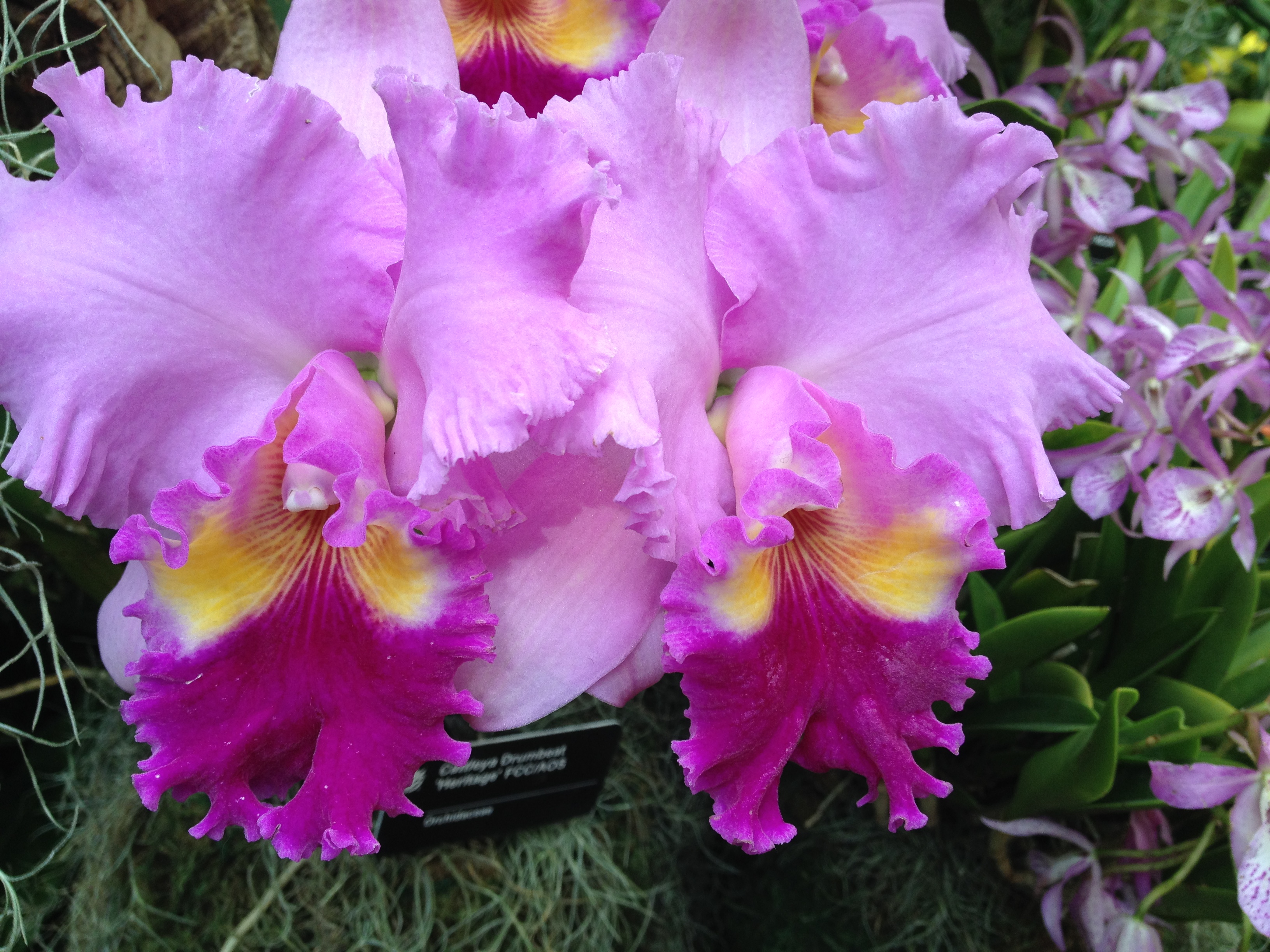
IMG_1009A common expression heard in St. Louis is, “If you don’t like the weather just wait a day.” So true. Last night’s ice and snow was a short-lived inconvenience as the temperatures got up into the 40s today and the sun melted what was sitting on the drive way. Good thing too, as I was not delayed in a visit to the Missouri Botanical Garden for its annual orchid show.

There may be variety in the Midwest weather–especially at this time of year–but nothing compares to the variety found in orchids. Wikipedia tells me that there are four times the number of orchid species than there are mammal species and twice the number of bird species. That’s a lot of orchidaceae. It makes the temperature swing we are expecting seem insignificant.

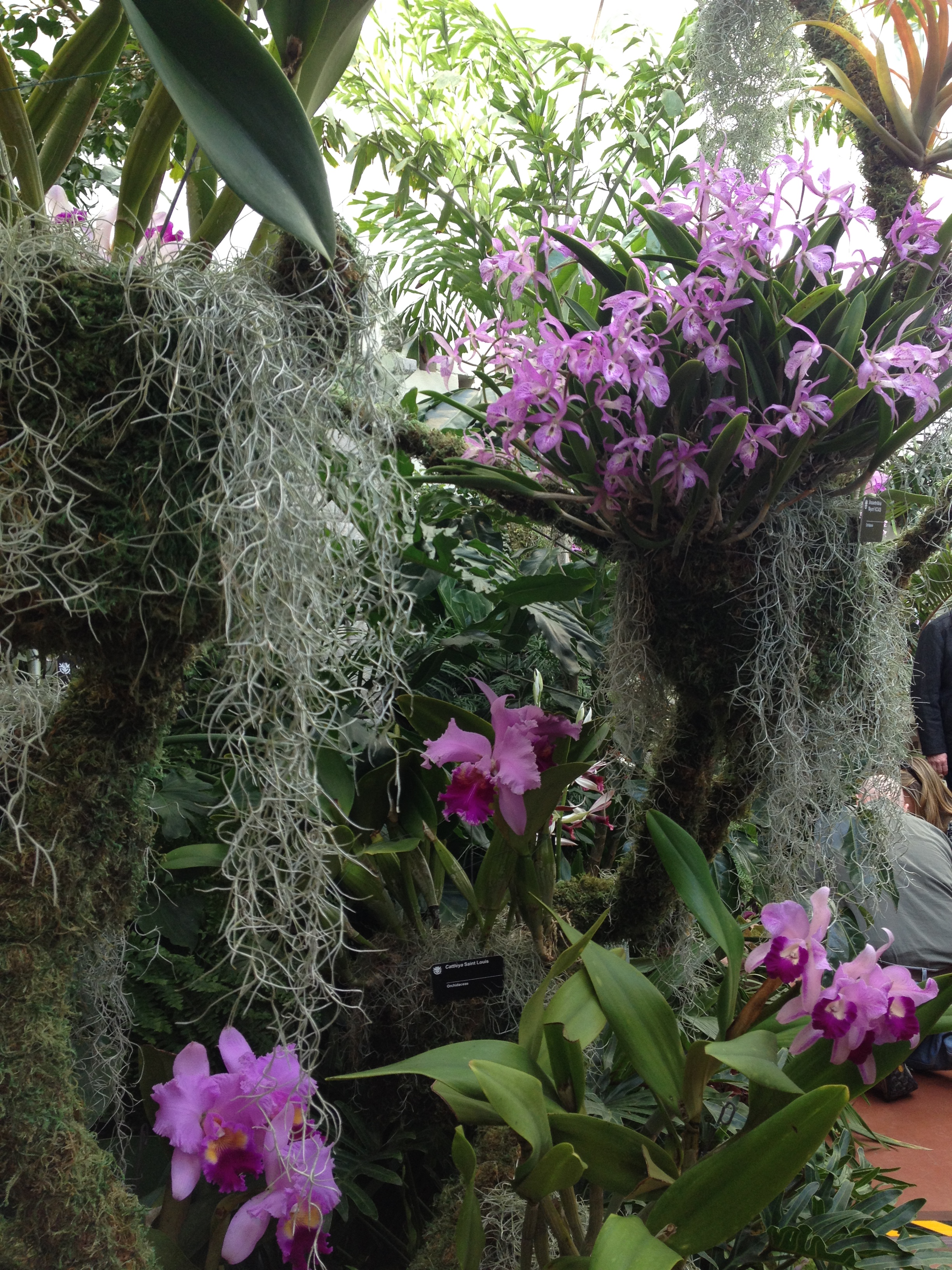
And fortunately for visitors to the orchid show, MoBot provides a healthy assortment to view. The show displays but a sampling of the garden’s permanent collection of more than 7,000 orchids. These represent more than 280 genera and 2,500 unique orchid taxa.

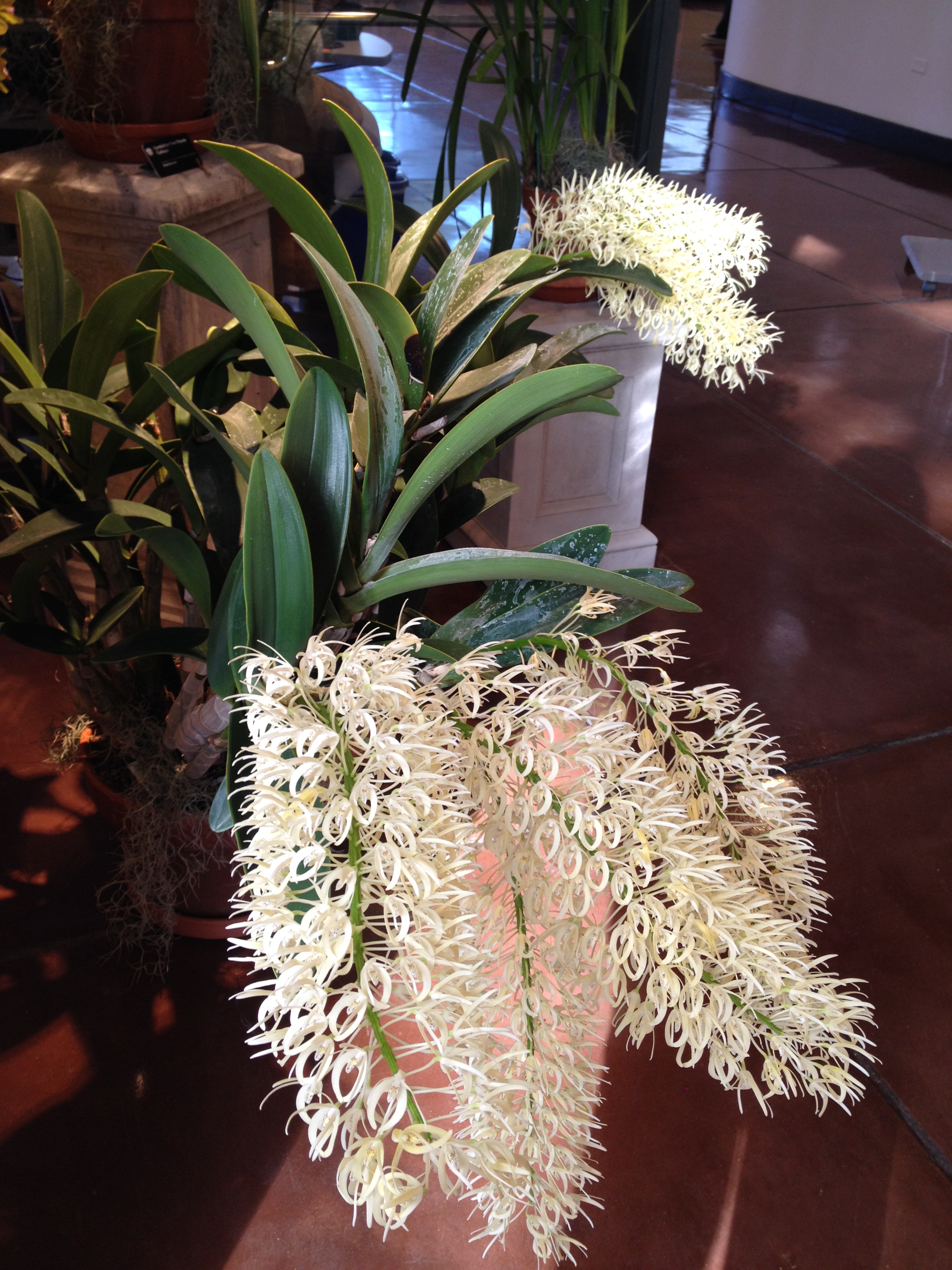
IMG_1017 yellow purple orchid IMG_1011  white aphrodite orchidshade orchid Red coral orchid

IMG_1037

IMG_1040 IMG_1039

The exhibit is in a moderately sized room and went under construction immediately after dismantling the Holiday show. Apparently it takes quite a bit of time to prepare the space for the lush assortment of cattleya, phalaenopsis, oncidium and dendrobium species, to name drop just a few species. What I really enjoyed is the way the designers did a nice job of moving the color palette through the rainbow. There are yellows, oranges, reds, corals, purples, chocolates on display.

The theme of the show is “Orchids and Their Pollinators” and the Garden provides a G-rated lesson in the mating habits of orchids, pointing out that orchids have a very specific relationship with their pollinators. They lure them in ways to attract specific animals and insects. In fact, their floral structure is specifically adapted to accommodate a specific pollinator. If that pollinator becomes extinct, so might that orchid species. To learn more about the importance of pollinators visit the Pollinator Partnership.

What floral show is playing in your neighborhood?