The Arch City Gardener

Journeys In St. Louis Gardening and Beyond


3 Comments

Lettuce Season is for Sharing

Stevan lettuce2

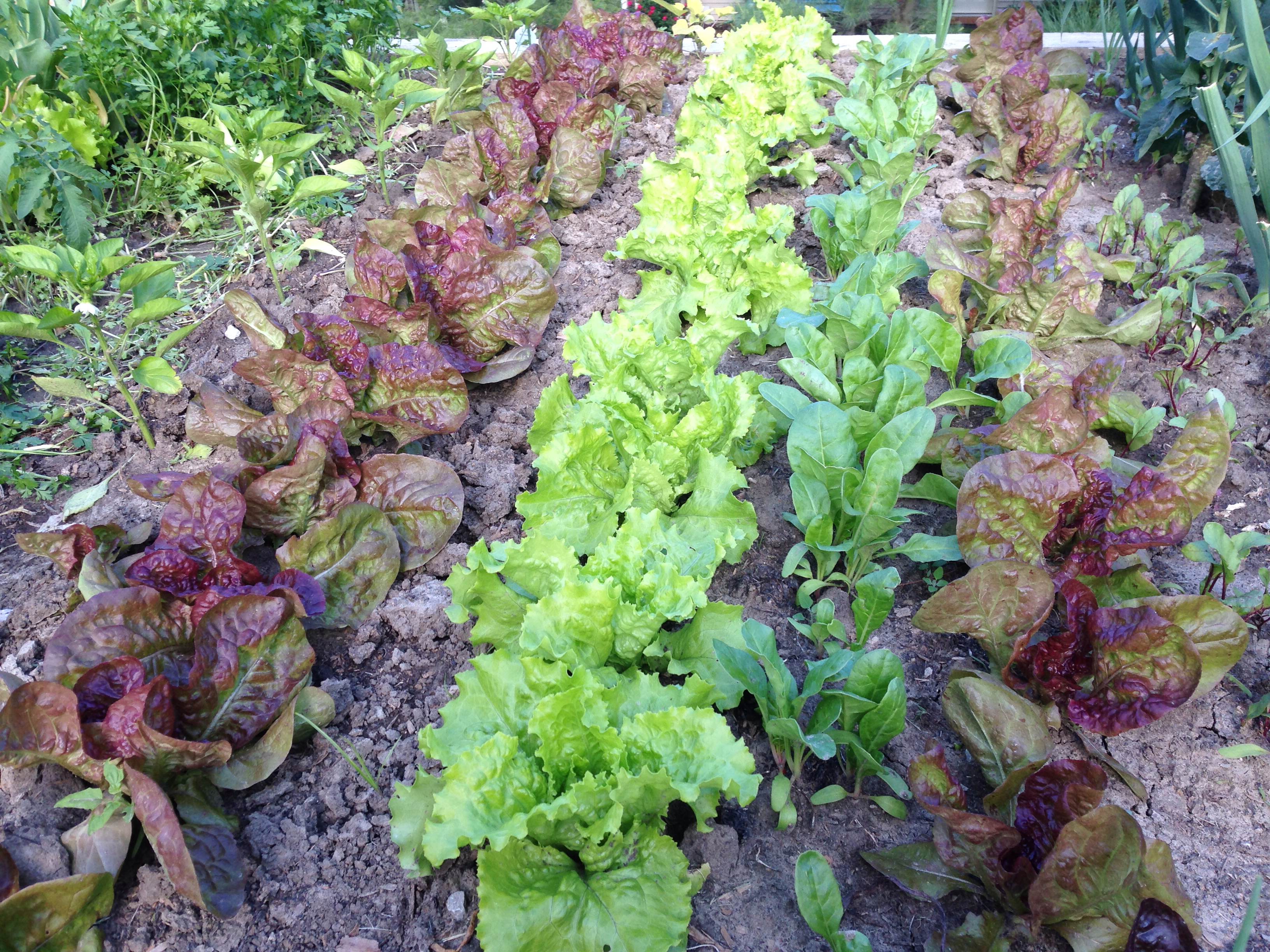
Rows of lettuce in Stevan’s backyard garden.

“People don’t know where their food comes from.” You’ve heard this, right? As generations become farther removed from the farm, their experience with with food is, shall we say, less direct. Fortunately there’s a resurgence in backyard gardening to close the widening gap from the farm gate to plate. As more gardeners get their hands dirty they not only produce delicious tasting produce, they learn about the risks/rewards associated with growing food…weather, insects, squirrels and rabbits (in my case), fungus, and much more.
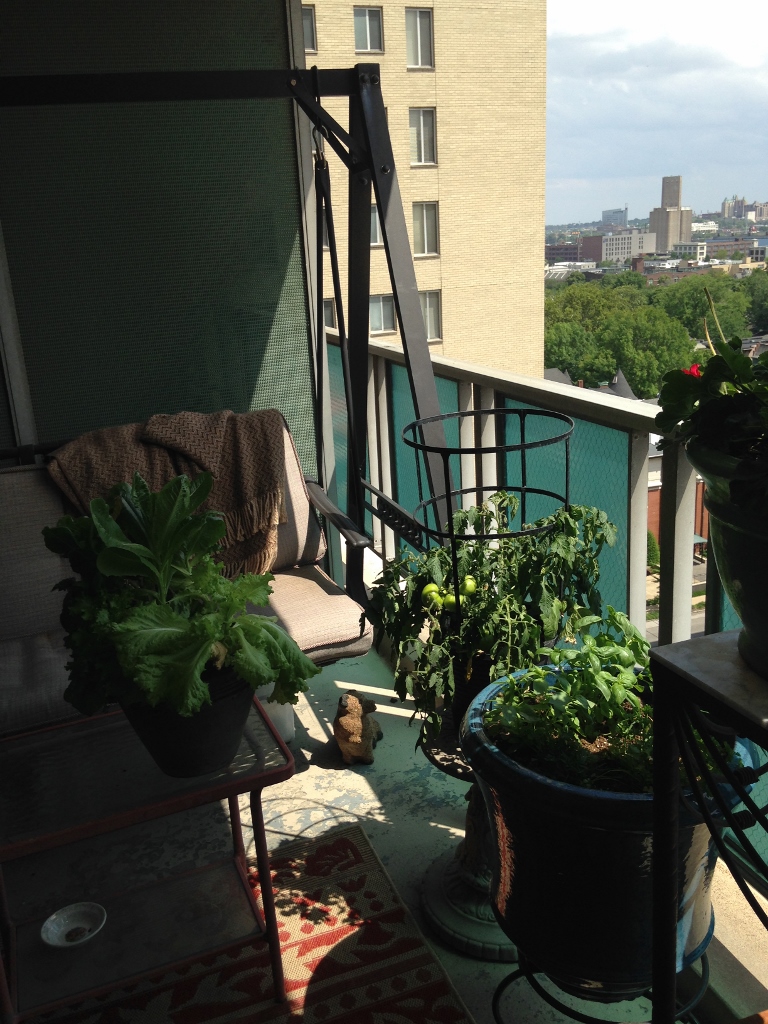
Patio tomatoes thrive 15 stories up. Small space gardening is becoming more common.

Salad fixins’ 15 stories up! The balcony of this city apartment provides enough space to grow lettuce, tomatoes and an assortment of herbs.

Society may have moved further from the farm, but today’s gardeners are successfully growing lettuce, tomatoes and other produce in small spaces. My dear friend Chris takes advantage of small-space living and is growing lettuce and tomatoes growing on her apartment balcony 15 stories up.

Stevan, a friend of mine at work, has a backyard garden. And every year he sends me pictures of his lettuce like the one at the start of this post. This year, I joked that he could feed his entire community with the bounty in his backyard. To my surprise the next day Stevan hand-delivered to my desk a delicious Ceasar salad featuring Romaine lettuce picked from his garden that morning. Apparently he and other colleagues have a Ceasar salad lunch day every spring with the bounty from his garden.

I am not the only one he’s sharing his lettuce with however. A nearby child center is also benefitting from Stevan’s love of gardening. What I learned when returning his empty salad bowl is that he and others at work share their love of growing food by helping children at a nearby child center plant their own garden. Stevan may have provided the seed and the know-how, but he’ll be first to tell you this more than just lettuce-sharing. He’ll say he’s the one who benefitted by enjoying the kids’ happy faces and the connections they are making to growing food from seed. Lettuce season may be nearing an end here in St. Louis but I’m sure this is just the beginning of their garden delights.
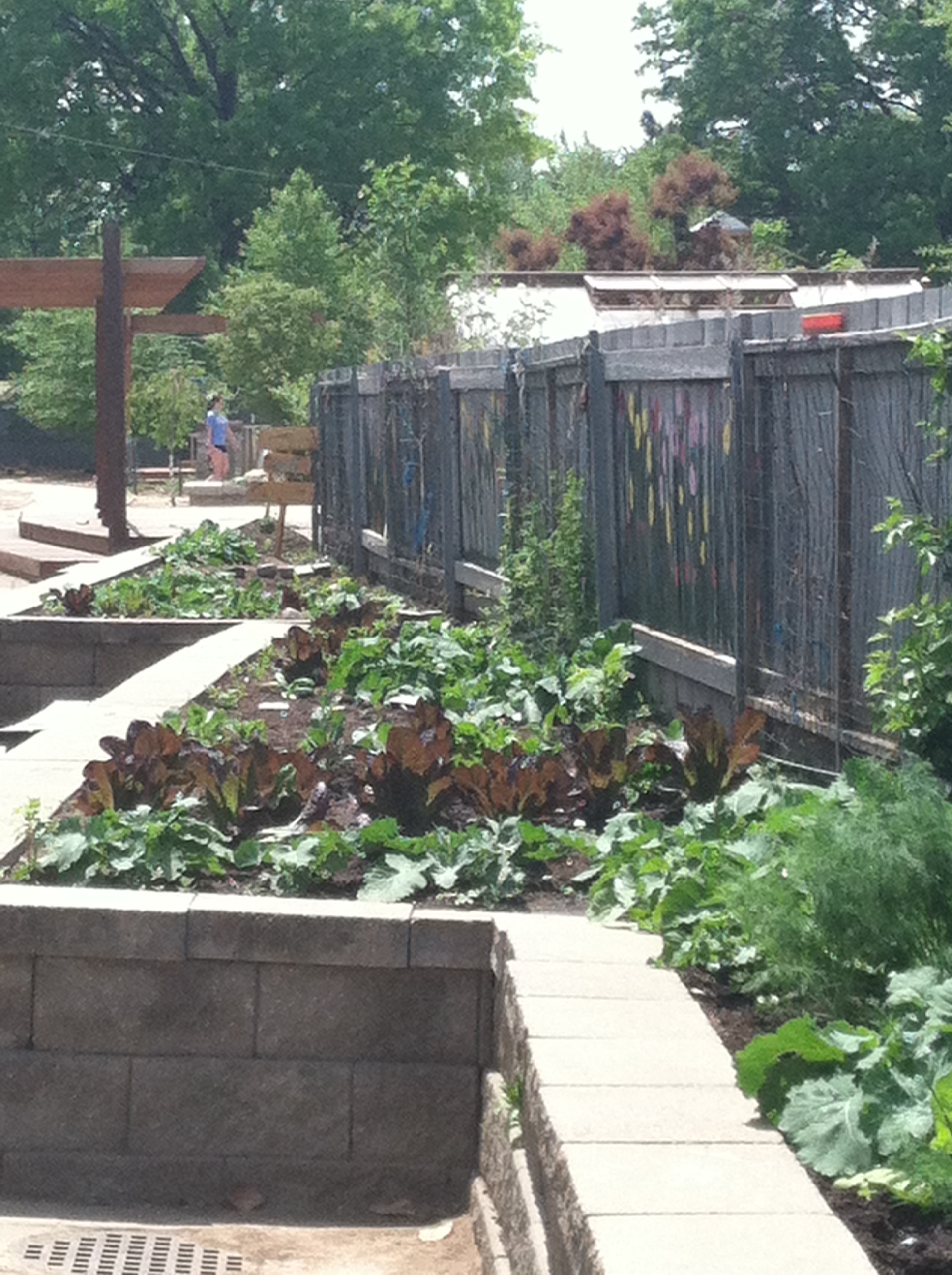
Stevan UCCC

Planted from seed, the vegetable garden at the University City Children’s Center.

I’m inspired by my friends’ vegetable gardens. Truthfully, growing vegetables intimidates me a bit. Stevan (who grew up on a farm) tells me that you start simply with an easy-to-grow plant. This year I have patio tomatoes that the squirrels seem to be enjoying, as they have been plucked from the vine at just the opportune time. I have grown peppers and I always have some herbs planted. But next year I may have to visit Stevan’s backyard and get some first-hand pointers.

Do you grow vegetables?

2 Comments

One More…Garden Bloggers Bloom Day, A Day Late

GBBD May feature

The window bed in bloom, looking out to the new south fence bed.

It only takes one to bring up the rear in a parade. The parade may have gone by for yesterday’s Garden Bloggers Bloom Day, but my garden is not out of step this lovely month of May. It is displaying the benefits of the perfect spring weather we are having in St. Louis.

GBBD 6 May (960x1280)

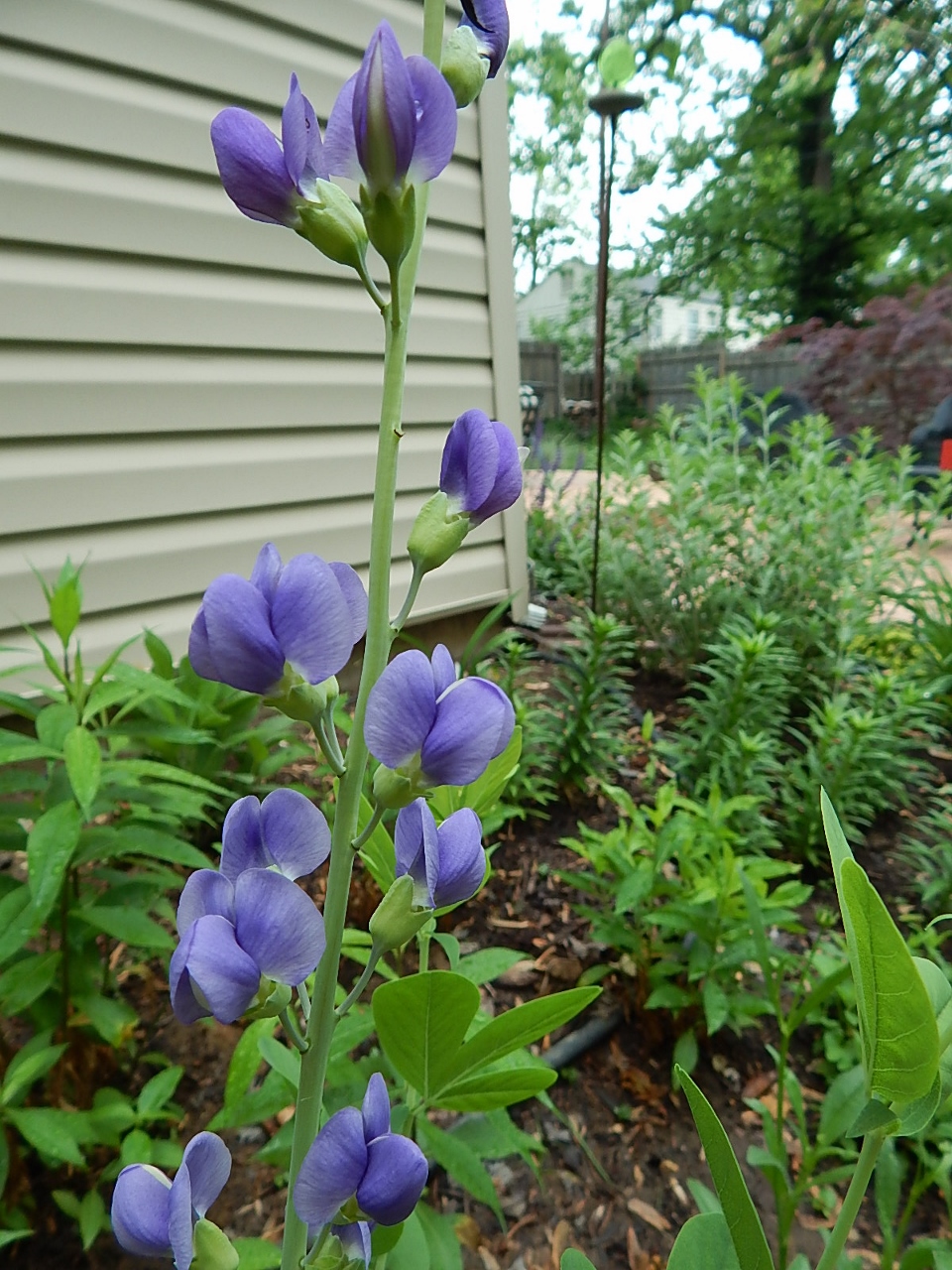
Baptisia australis

GBBD5 May

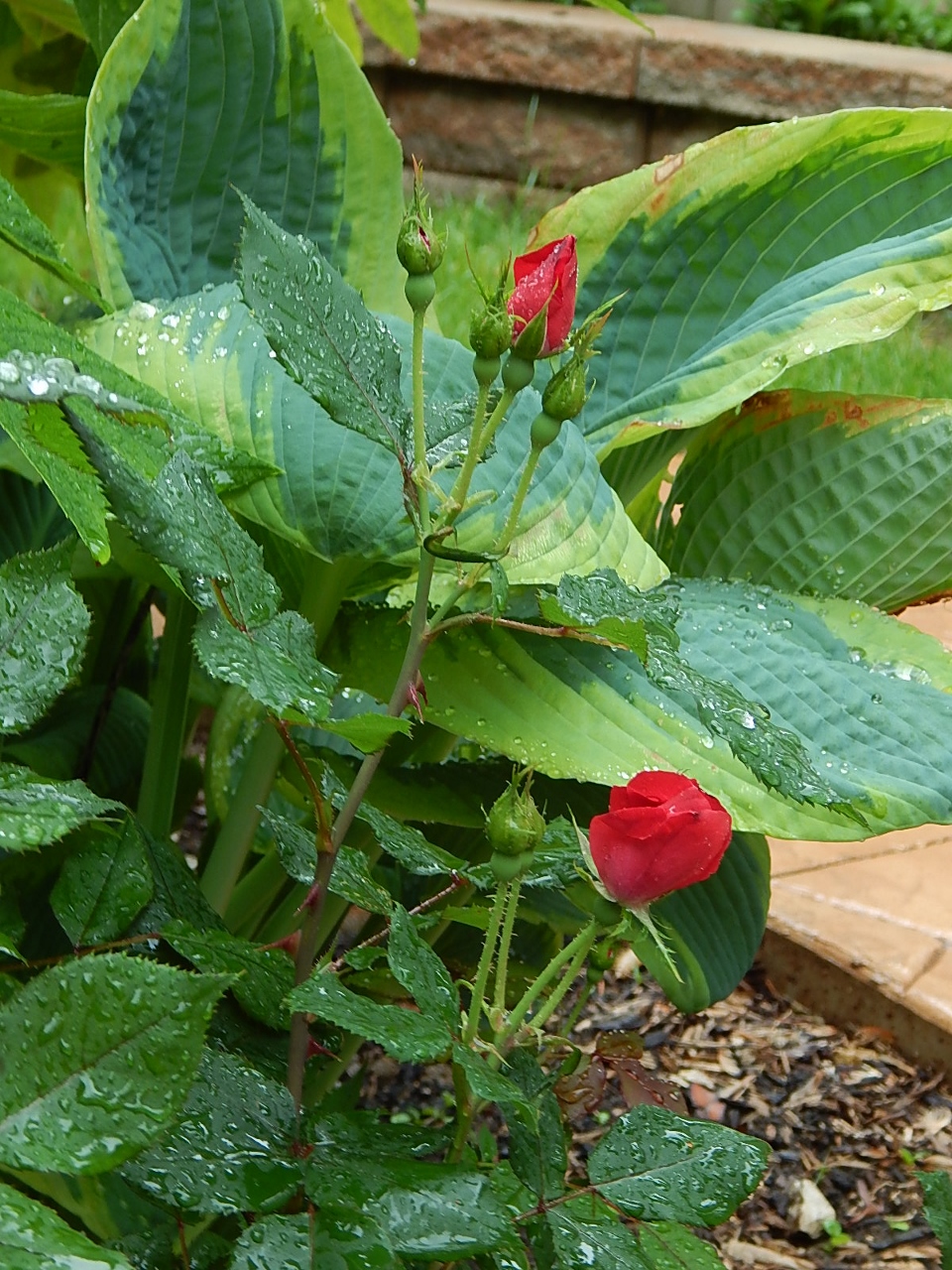
Rosa Radrazz

GBBD 3 May

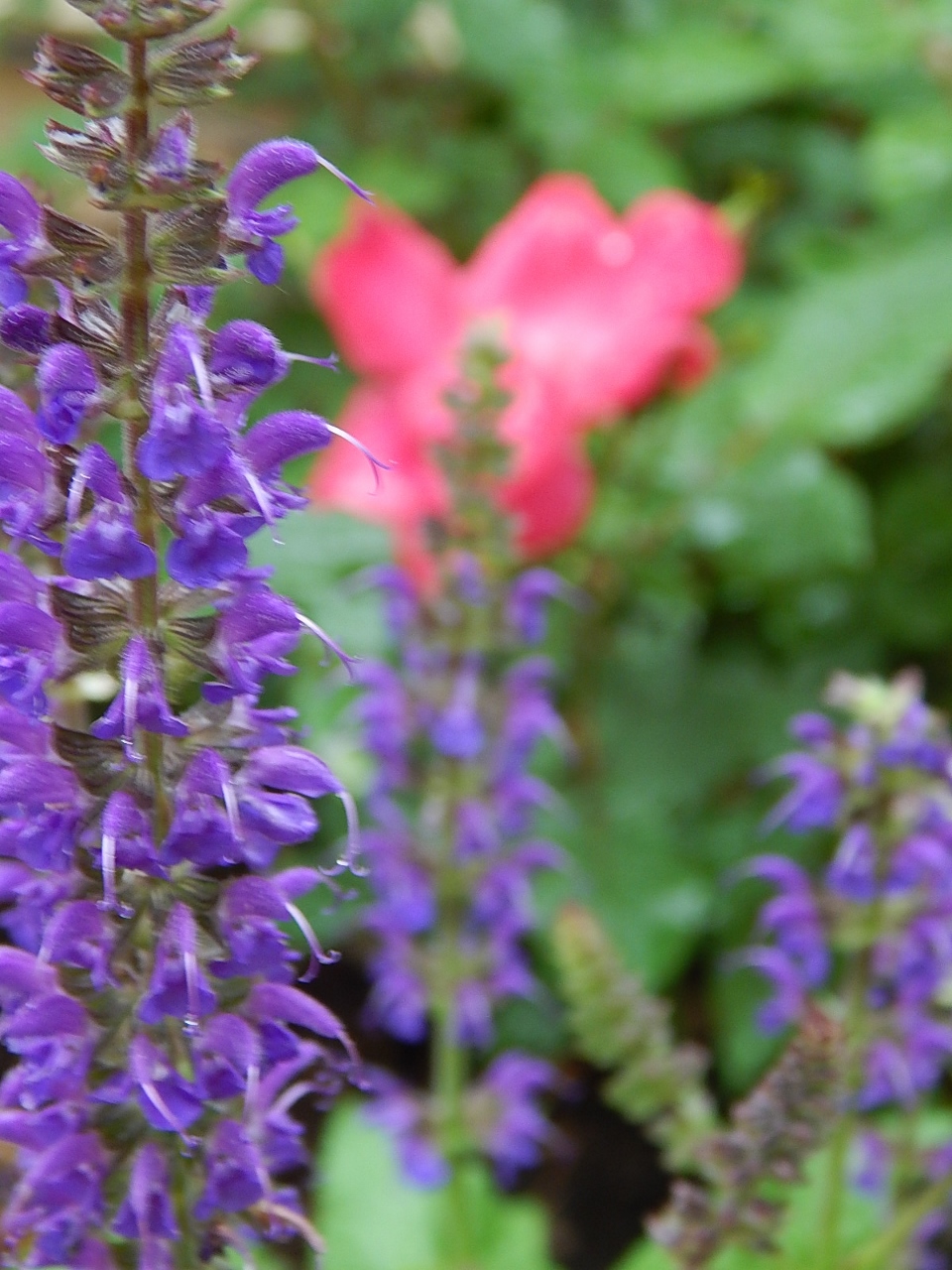
Salvia sylvestris and Rosa Radrazz

GBBD 7 May

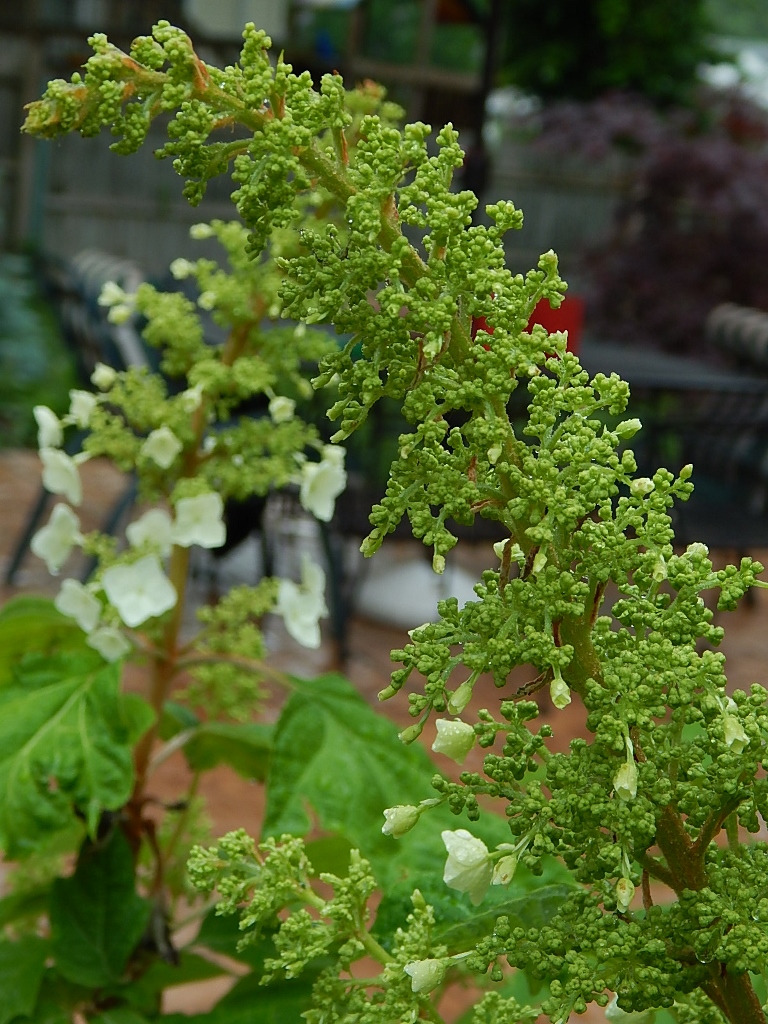
Hydrangea quercifolia

GBBD 4 May

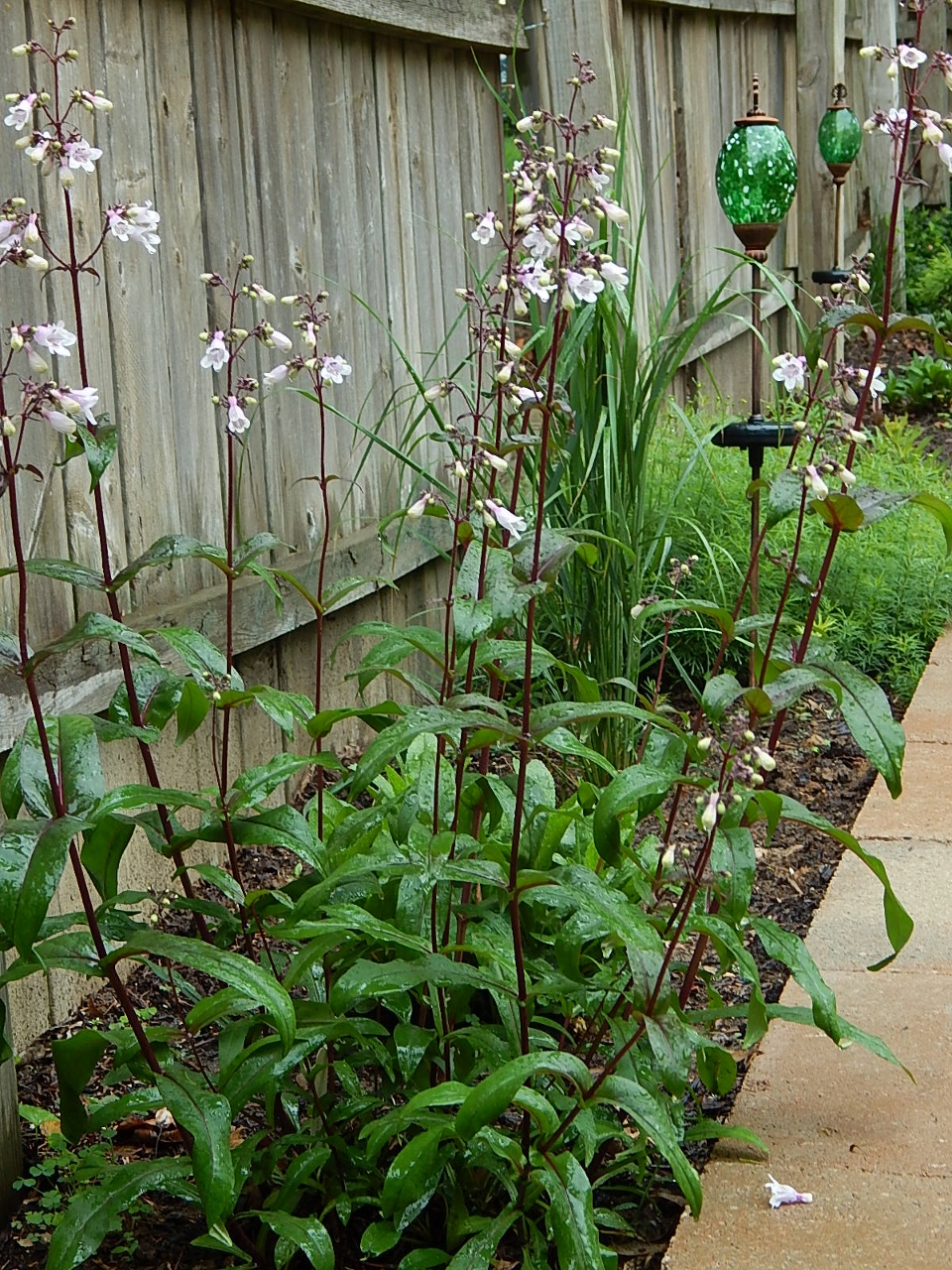
Penstemon digitalis

Purple2

Biokova karmina and salvia sylvestris


1 Comment

A Penchant for Purple

2015 purplepops2 (1024x768)

Purple globe amaranth.

Royalty. Passion. Mystery. Purple has come to symbolize these meanings and more. Hard to imagine today, but at one time purple was considered somewhat rare, perhaps lending credence to its mystery and elitism.

There are subtexts to the meaning of purple, as various shades and tones signify different things. Light shades are floral and romantic, while their opposite dark shades represent intellect and dignity. And there are negative meanings associated with this color–decadence, conceit, and mourning, to name a few. Purple is the color of the vestments worn by Roman Catholic priests during the Lenten season, symbolizing penance. The deep royal shade in the Mardi Gras trinity of purple, green and gold represents justice.

But I did not consider any of these meanings when choosing plants for my gardens and containers. For me, it comes down to contrast, texture and light. It seems counterintuitive, but a purple plant can help light up a shady spot.

Purple2

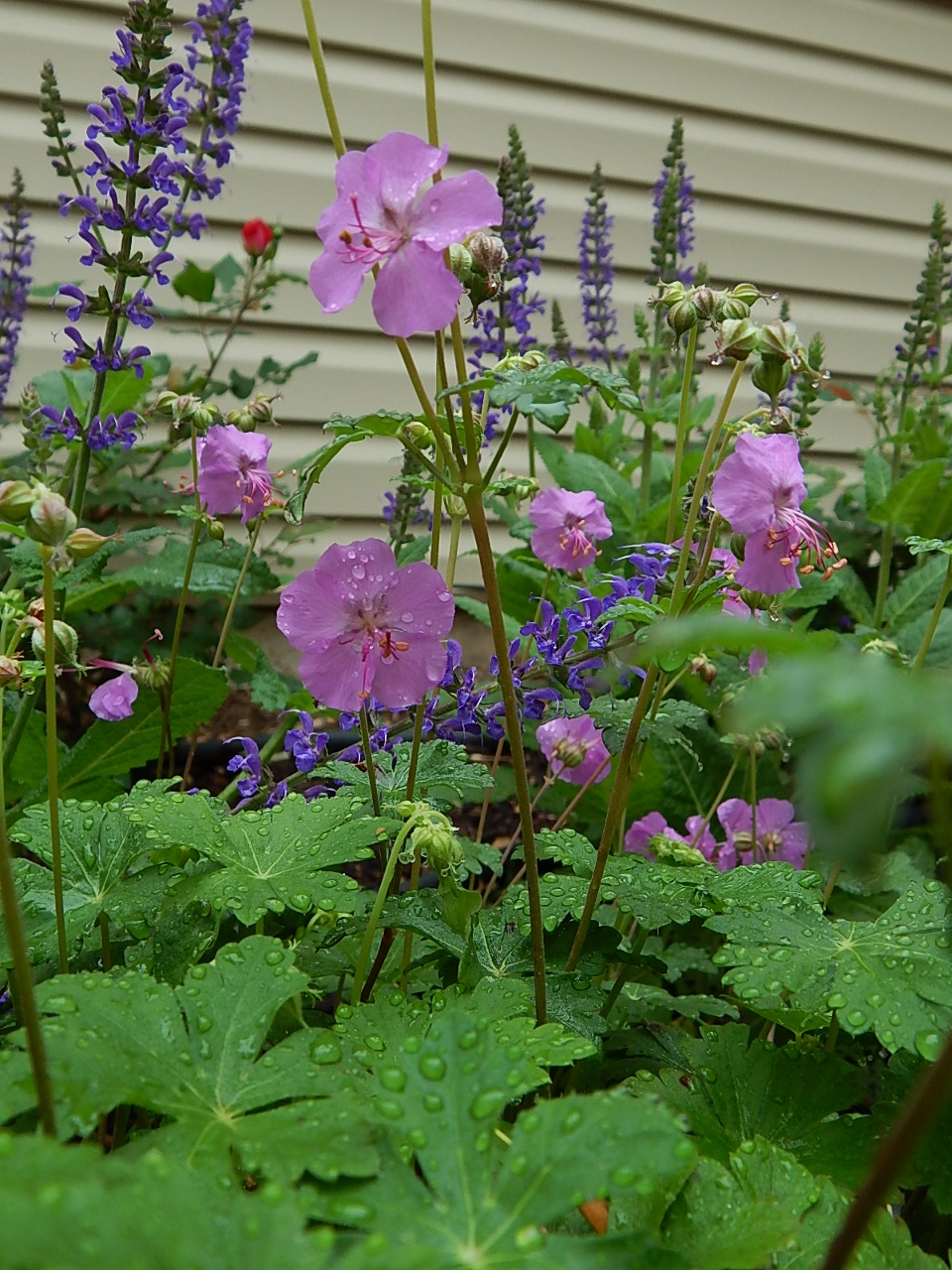
The dainty, lavender blooms of Biokova Karmina “Cranesbill geranium” mingle easily with the strong tones of “May Night” salvia. Scarlet Knock Out roses in the background are beginning their first bloom of the season.

Just the last weekend while visiting a nursery with my sister and admiring the vivid container combinations containing purple flowers, I said that until recently I had never really thought of purple as one of my favorite colors in the garden. My wardrobe was void of that color and there was no sight of it in my house. However, more and more, I’ve grown to love purple (I even wear it now). Be it a punctuation point, pause or prevalent plant, purple makes a statement in several ways in the beds and pots in my garden.

Let’s take a look.

2015 shade garden purple

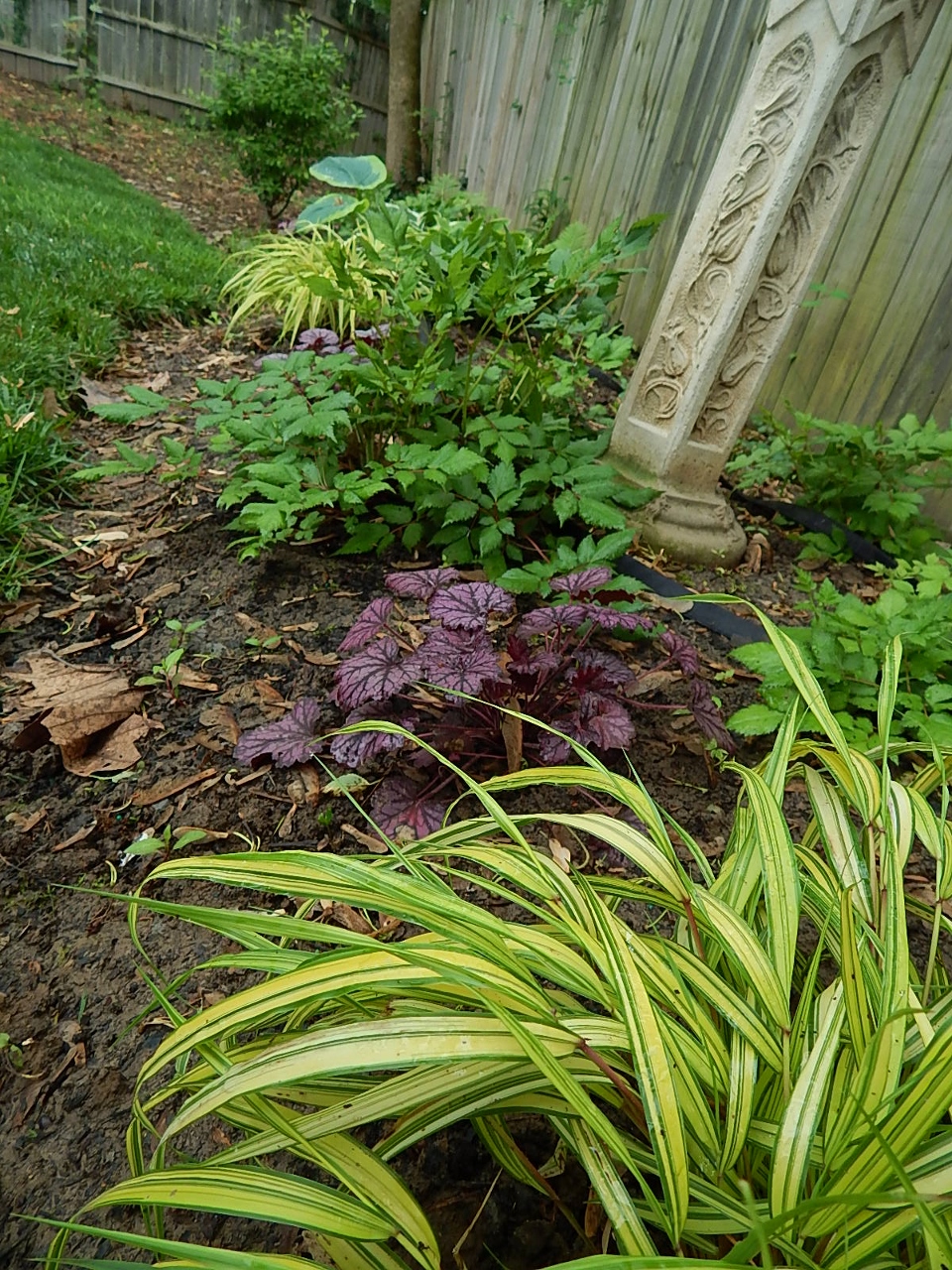
Heuchera “Plum Pudding” pops out against the bright chartreuse of Hakonechloa “Aureola”

DSCN1770 (960x1280)

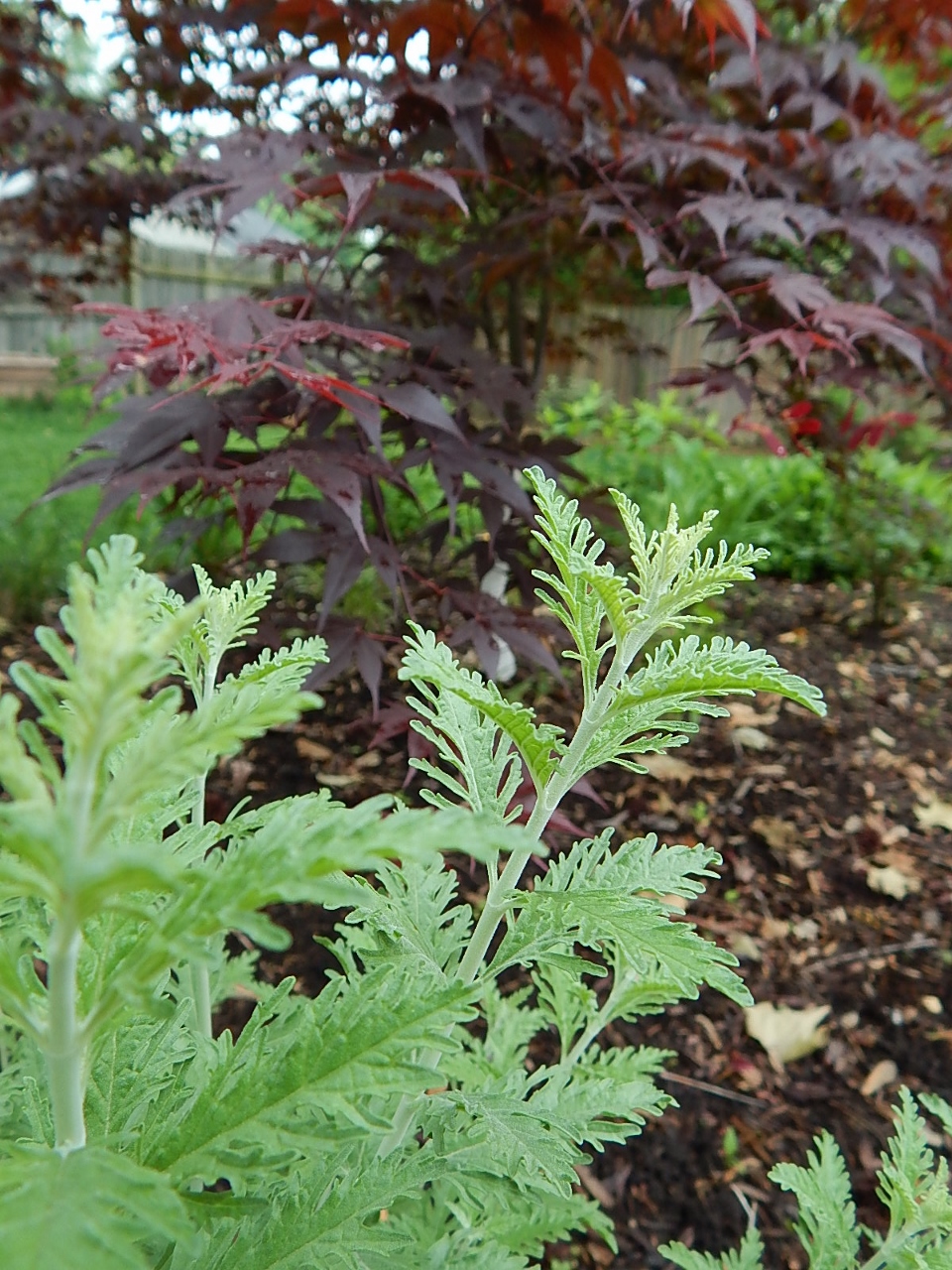
I love the interplay of the icy green foliage of Russian sage and “Bloodgood” Japanese maple that is one of the anchor plants in one of the patio gardens. The maple changes its tones throughout the season. It will be this maroonish color until fall.

2015 blue spruce

“Dark Towers” penstemon is sandwiched between the cool shade of the “Fat Albert” dwarf Colorado blue spruce and the young leaves of Black-eye Susans.

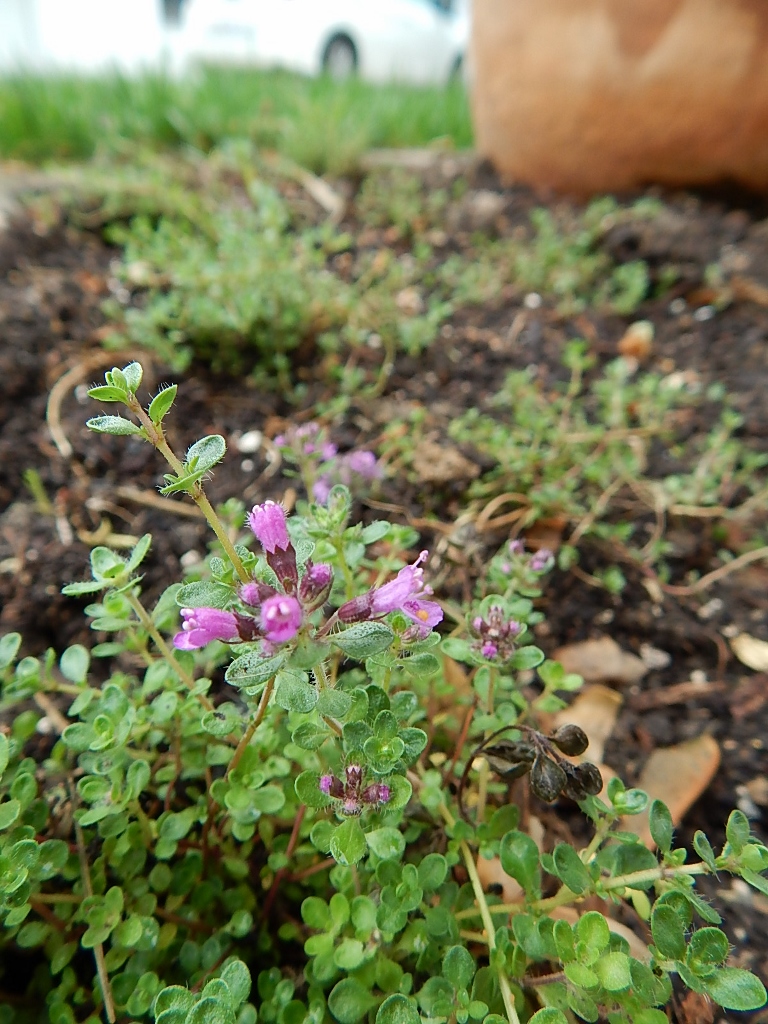
2015 thyme

Low-growing, groundcover Thymus serpyllum “creeping thyme” displays delicate purple blooms.

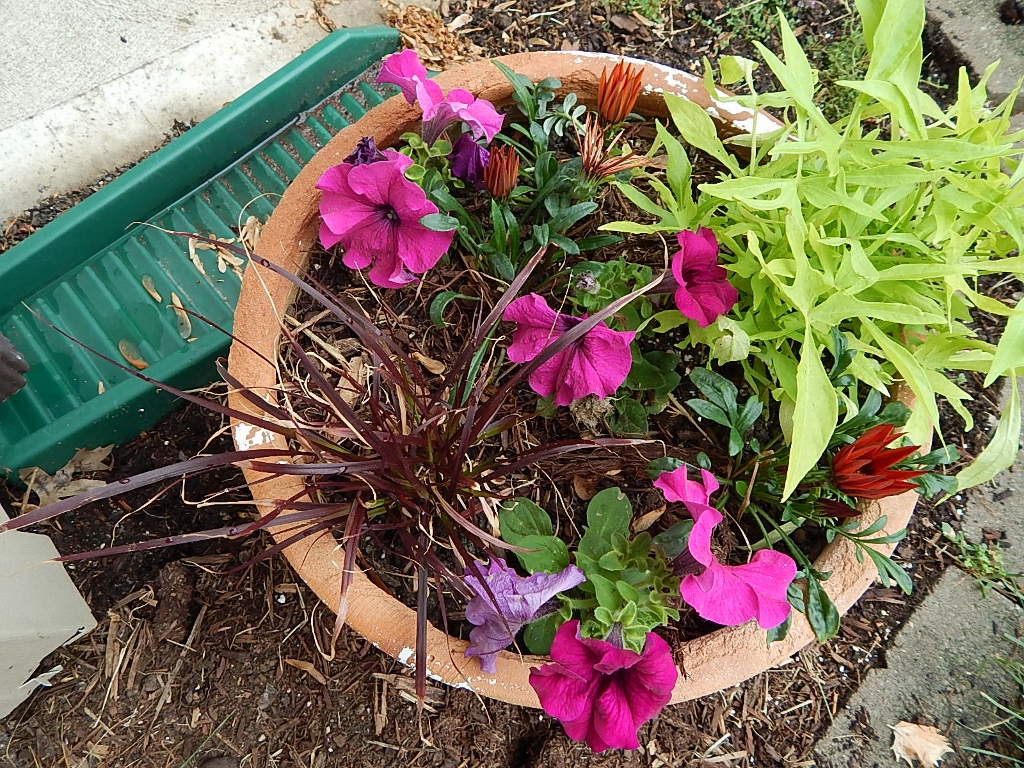
2015 garage pot (1024x768)

Hot, cold and in between. Purple petunia, Pennisetum setaceum “Rubrum,” sweet potato vine “Emerald Lace” and orange gazania mix it up in a sunny container.

2015 Window box purple

A thriller spiller, Setcreasea pallida “Purple Heart” is a lively component to my window box, which includes creeping jenny, dragonwing begonia and impatiens.


5 Comments

Making Magic at Grow Glendale Gorgeous Planting Day

DSCN1622 (768x1024)Mother Nature threatened rain but did not follow through until more than 40 volunteers completed their gardening “chores” Saturday in Glendale, MO, the small St. Louis suburban bedroom community where I live. No, there was no rain delay on a community beautification/education effort that has been in making for more than a year–the brainchild of citizen Master Gardener Julie Grimm and her good friends Kelli Hickenbotham, Robin Caringer and Allison Knight.

I first wrote about G3, as I personally call it, in a February blog post after I attended an evening get together at City Hall where the four gave an update on their efforts and filled sign up sheets for volunteers at today’s planting day and to water the 30 containers they planned to place around town. At that time, they described the outcome of this effort as “Magic” and set about casting their spell on small community that is filled with pride. If the shouts of encouragement from passing motorists and local shoppers are any indication of future success, I’d say G3 is in pretty good shape. One passing citizen even donated money for the cause.

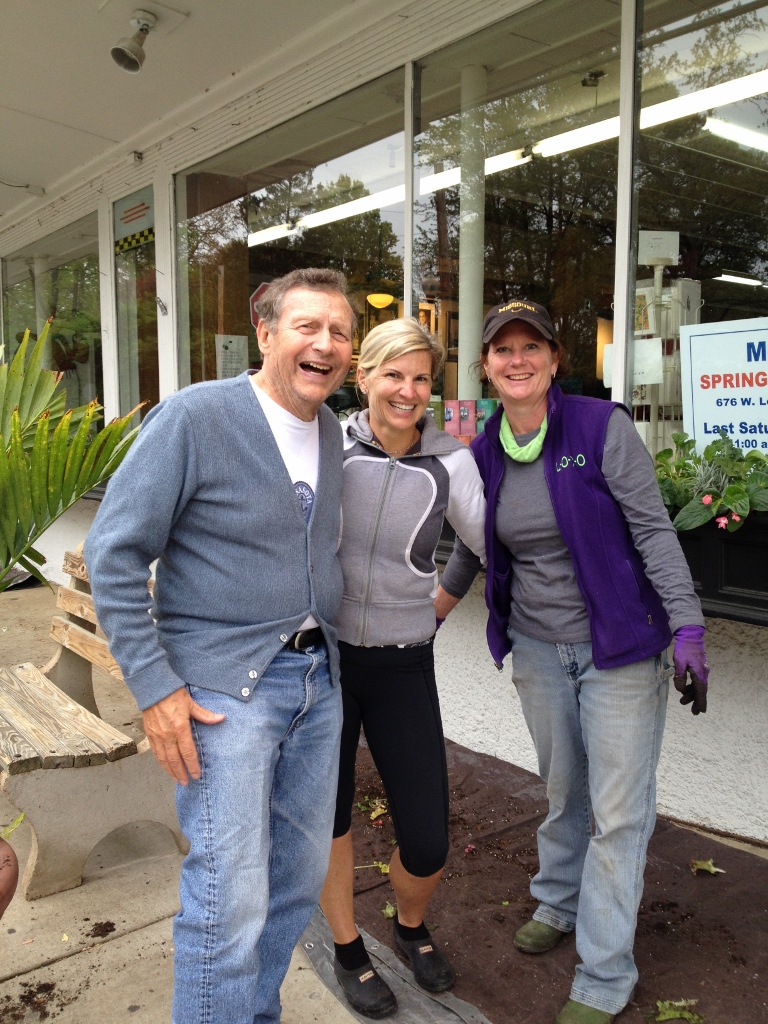
Grow Glendale Gorgeous mastermind, Julie Grimm, with a happy business owner (left) and a planting volunteer (right).

Grow Glendale Gorgeous founder Julie Grimm, with a happy business owner (left) and a planting volunteer (right).

Yet, this sounds a lot simpler than it is. the G3 leaders established Grow Glendale Gorgeous as a non-profit, developed a budget, connected with the city–after all City Hall was a target for gardens and containers–found volunteers, struck deals with local businesses (you buy the containers, we’ll provide the plants), did fundraising, promoted the effort, and on and on. Whew, that’s a lot of work before the first plant is bought!

The container staging area at Glendale Public Works was filled with containers, flats of various plants and lots of local volunteers including our State District Representative  Deb Lavender.

The container staging area at Glendale Public Works was filled with containers, flats of various plants and lots of local volunteers including our State District Representative Deb Lavender.

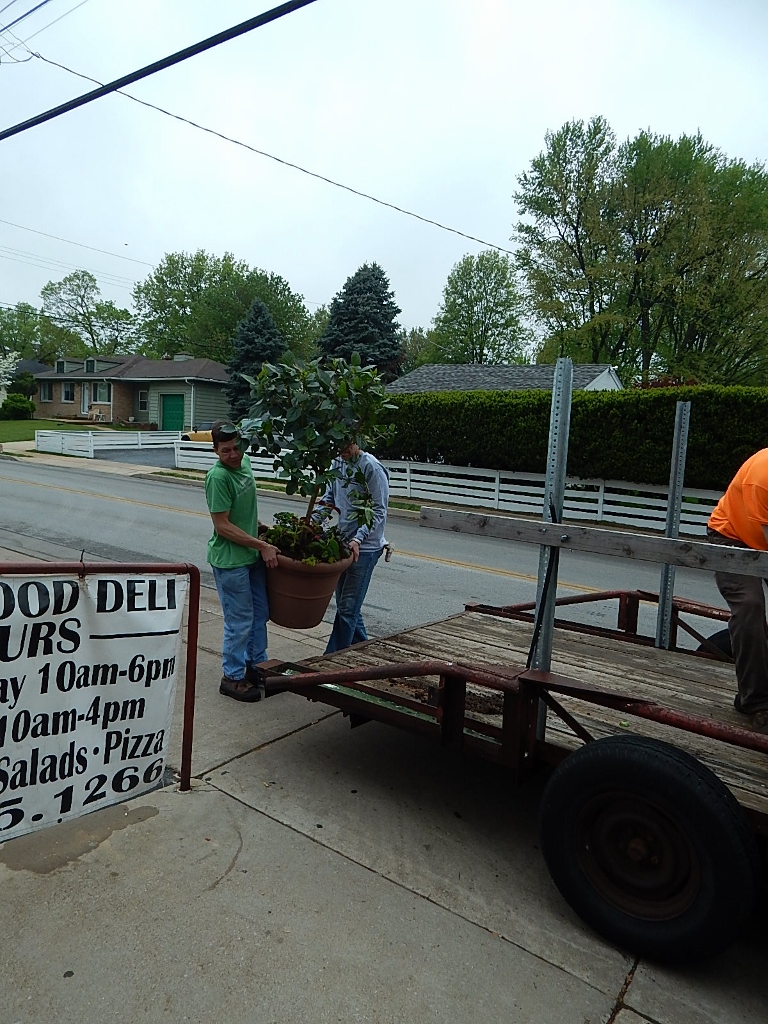
Now this is heavy lifting. Containers were delivered to their new homes throughout the city.

Now this is heavy lifting. Containers were delivered to their new homes throughout the city.

And buy they did. Elephant ear, coleus, creeping jenny, dragon wing begonia, plectranthus, asparagus fern, palms, hibiscus, kale, lettuce, chard, herbs and much more were in flat after flat at the city’s public works facility greeting planting volunteers at 8 a.m. The weather called for rain and maybe that is why volunteers were busy planting before 8. By noon, pots, hanging baskets, windowboxes and garden beds were filled to the brim.

I hope Julie and her crew are pleased with the outcome. Glendale may be small (just under 6,000 population) but today’s turn out proved their neighbors do believe in magic.

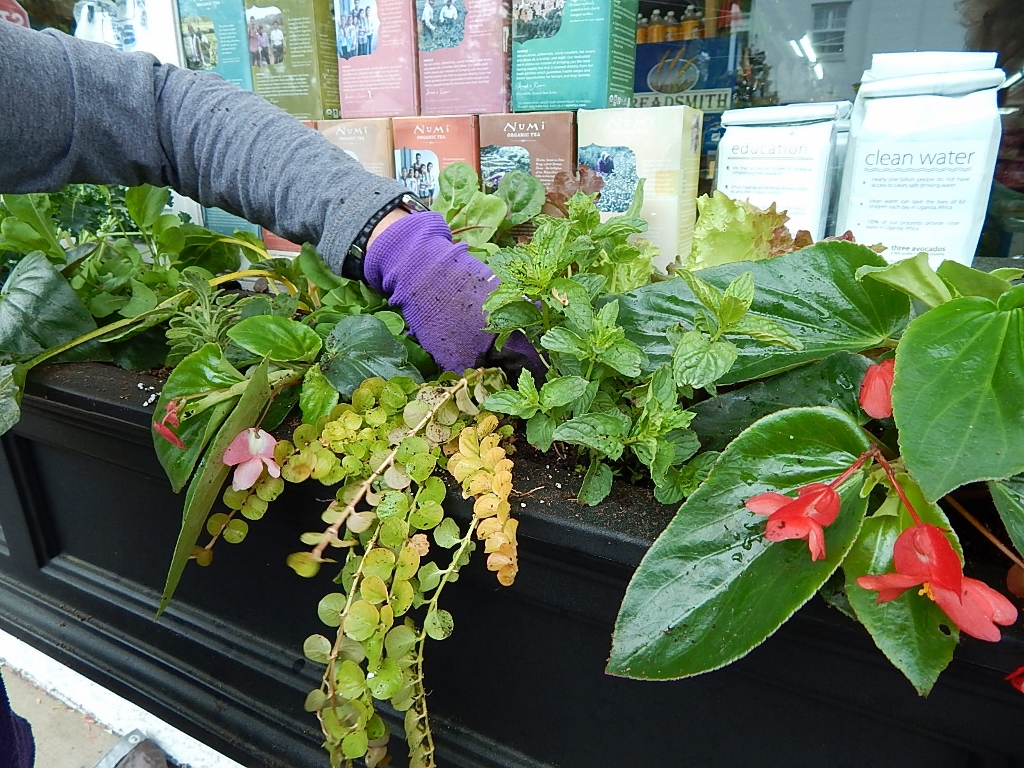
Did you want chard on that sandwich? The window boxes at a local caterer/grocery/deli are filled with greens, herbs, begonia and creeping jenny.

Did you want chard on that sandwich, mint in  your tea? A volunteer fills the window boxes at a local caterer/grocery/deli with greens, herbs, begonia and creeping jenny.

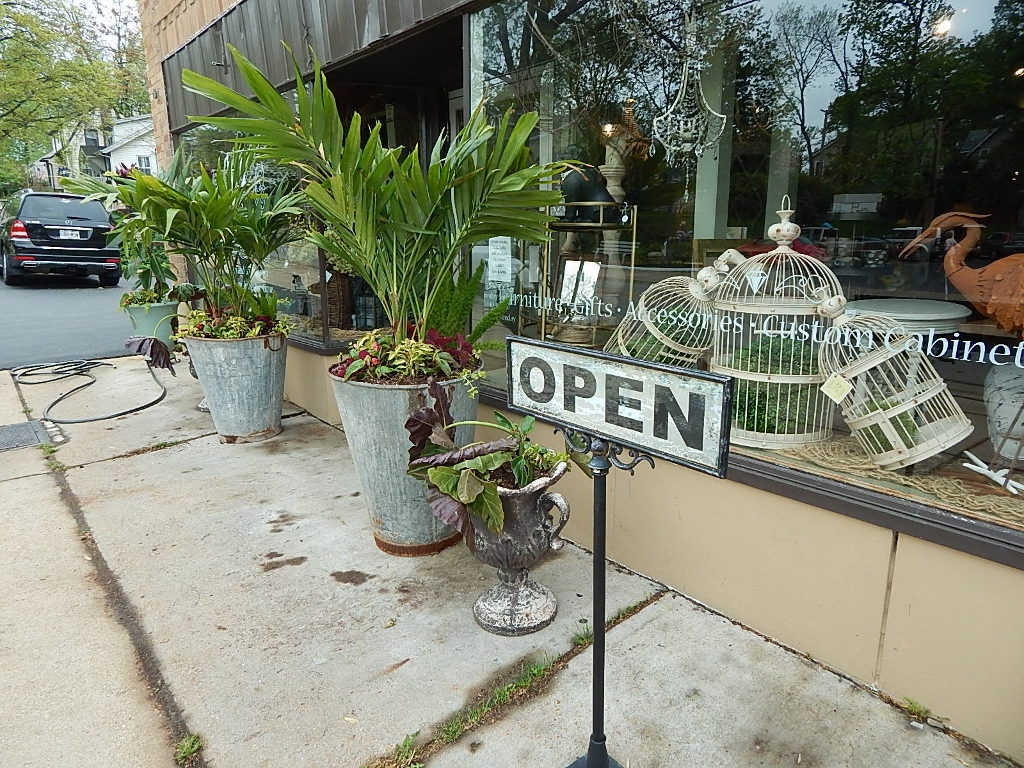
Businesses provided the containers, Grow Glendale Gorgeous provided the plants.

Businesses provided the containers, Grow Glendale Gorgeous provided the plants.

Volunteers make light work of heavy lifting. More than 30 containers were filled and placed around the city as part of the beautification effort.

Volunteers make light work of heavy lifting. More than 30 containers were filled and placed around the city as part of the beautification effort.

DSCN1606 (768x1024)

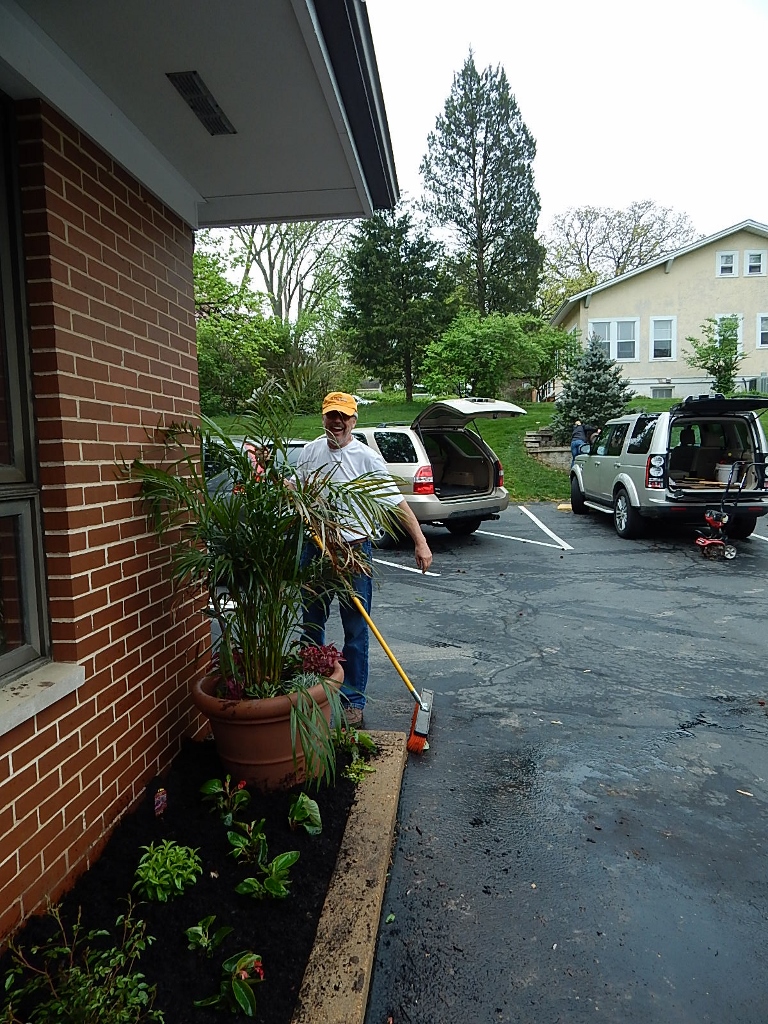
Don’t think that plant is going to hide you! A happy but shy volunteer sweeps up after planting and mulching.

DSCN1633 (1024x768)

Plants go in, water goes on. This bed at City Hall was filled with various begonia and creeping jenny.

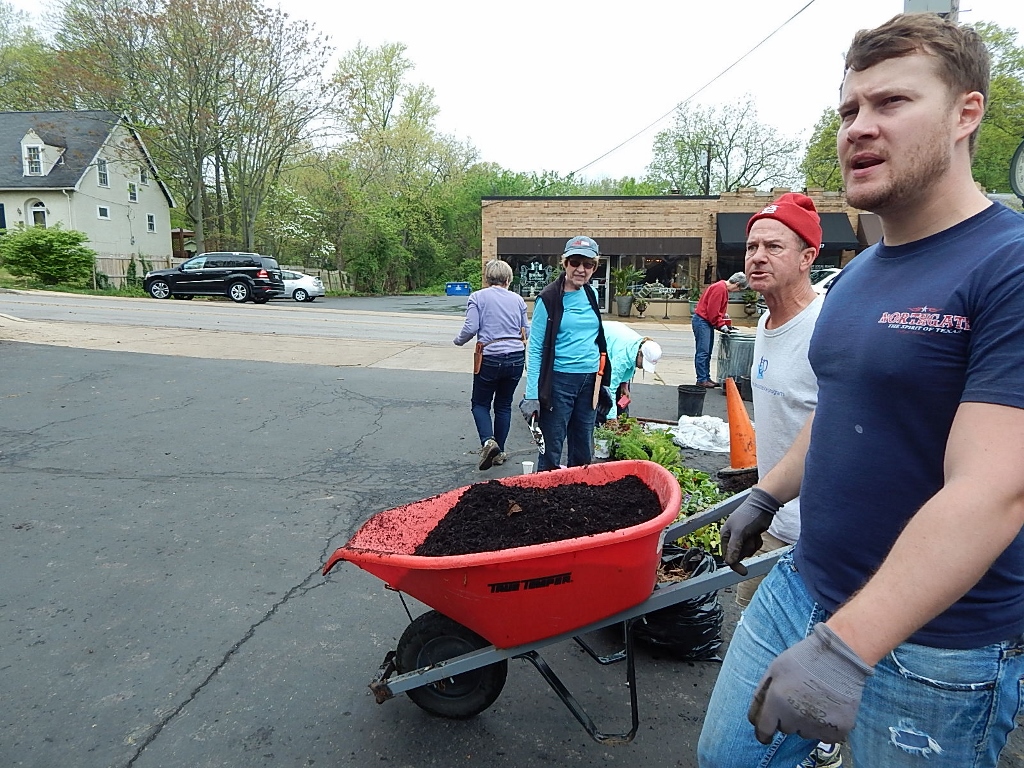
Moving mulch.

Moving mulch.

DSCN1615 (768x1024)

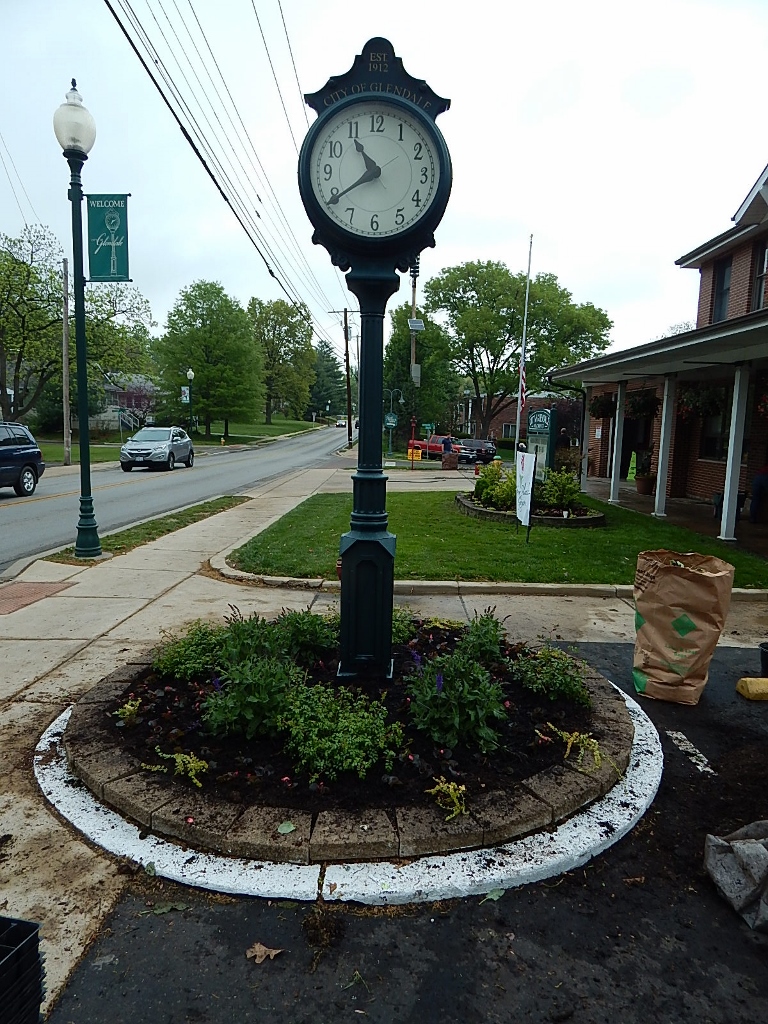
The clock in front of City Hall is surrounded at its by plantings that will soon be overflowing.


4 Comments

Spring, Act II: Thinking Pink

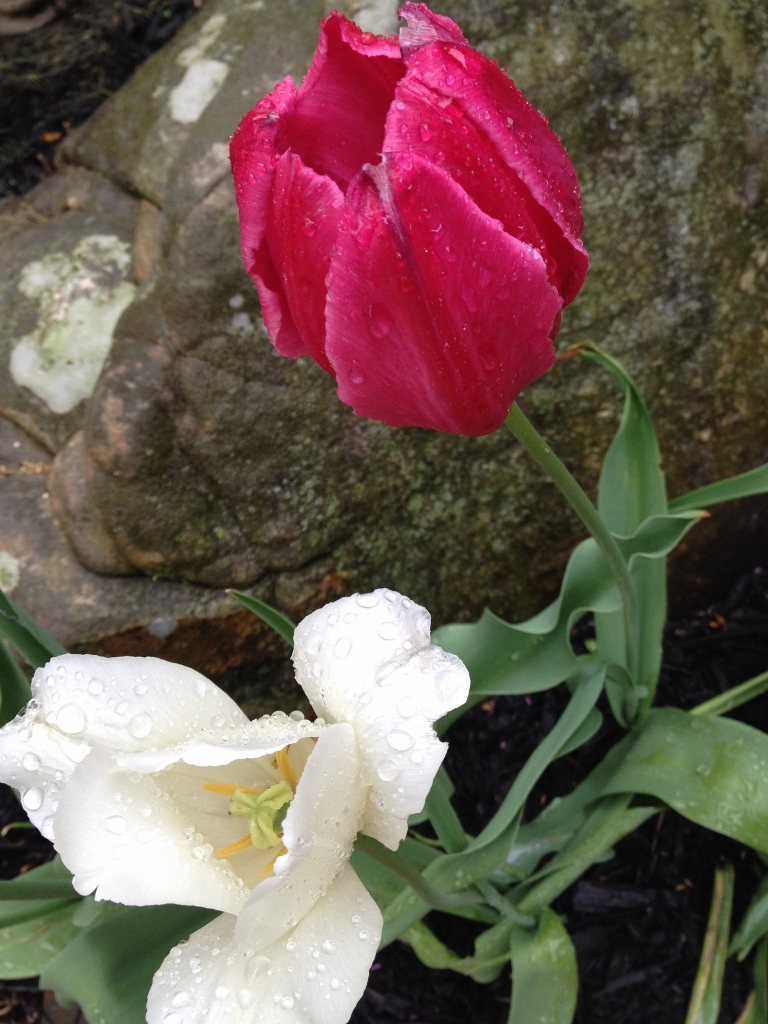
Pink tulipAaaahhhh, a perfect spring in Arch City. Not too hot, not too cold, sunny, just enough rain; all the right ingredients for a delightful spring. Two weeks ago the early bloomers–star magnolia, jonquil, bradford pear, forsythia were tuned up just in time for the Easter parade.

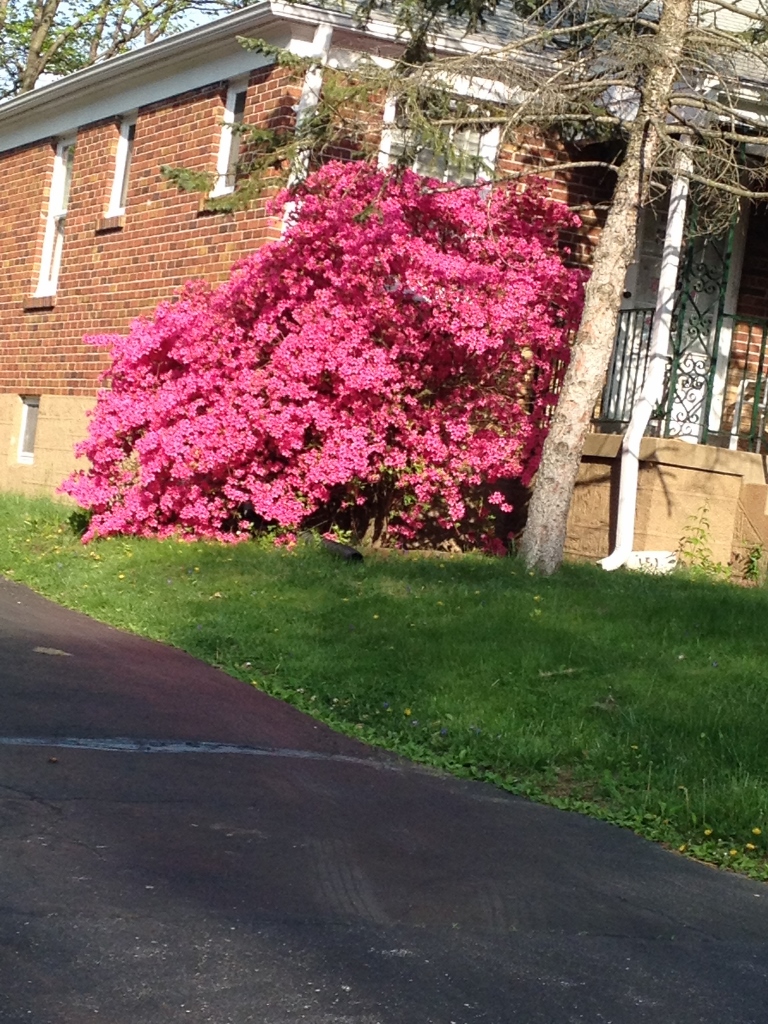
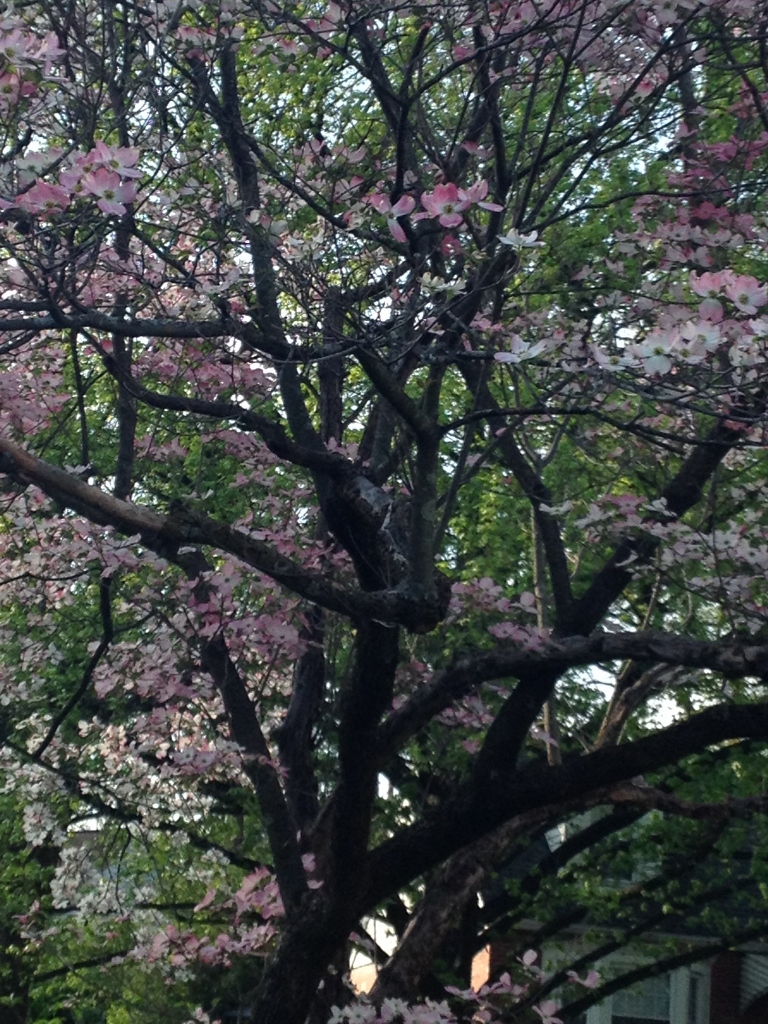
Now, we’re pretty in pink and purple. Tulips, redbud, pink dogwood that drop your mouth open and make you grateful for four glorious seasons.

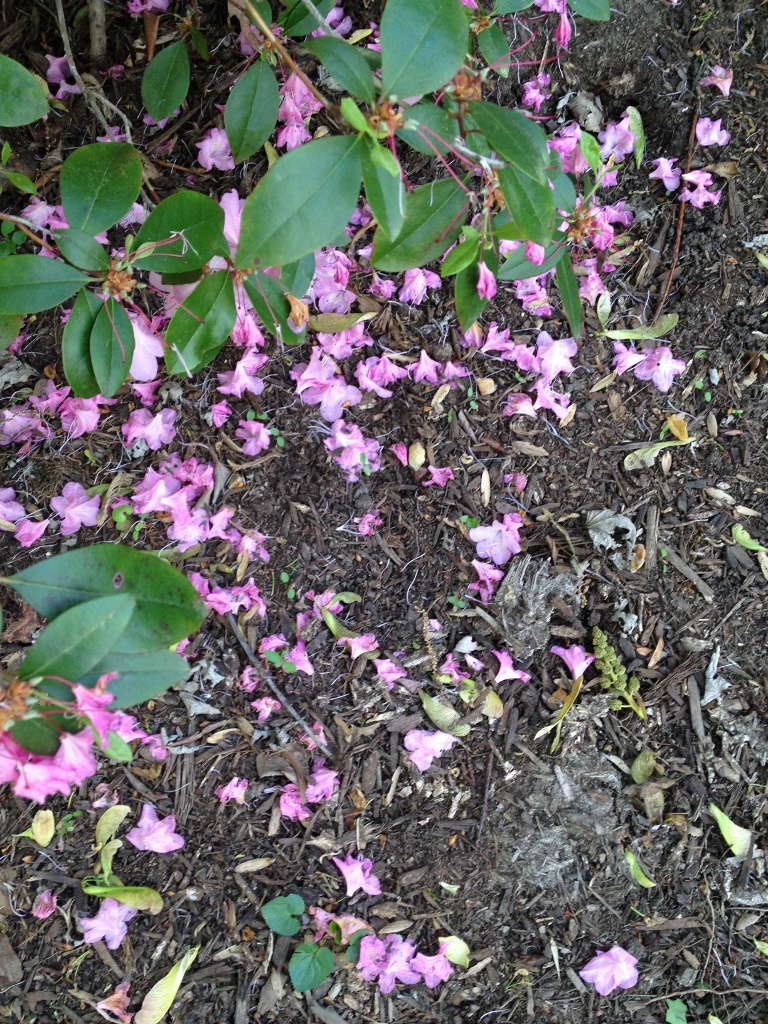
pink dogwood pink azalea pink bleeding heart pink dogwood IIpink rhododenddron


Leave a comment

In Search of the Elusive Super-Blooming Garden Plant

I don’t know my diploids from my haploids or my tetraploids. But I do appreciate a perennial that blooms like crazy. And when it comes to garden favorites such as clematis, lavender, hosta, tall garden phlox and oh, so more it’s all about the tetraploid. That’s breeder speak for hybridizing plants that Super Bloom. And while long-lasting, seemingly never-ending blooming plants at one time were elusive, thanks to the smarts of breeders gardeners are able to sit on their patios and enjoy their favorite hydrangea in bloom all that much longer.

Abby Elliott

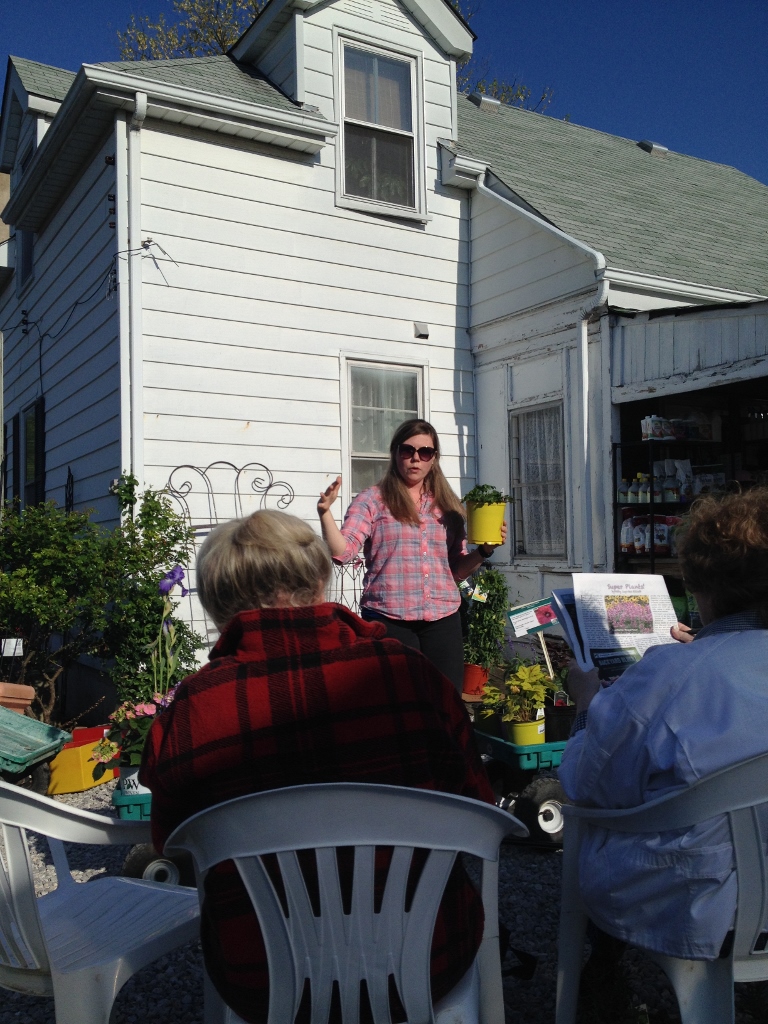
Sugar Creek Gardens Nursery owner Abby Lapides Elliott offers a show and tell of some of her favorite Super Plants.

I learned about this and more on a warm, clear-skied Thursday evening when I attended my first after-work (actually after- dentist) gardening talk at one of my local nurseries. I receive e-newsletters from a few of my favorite local plant purveyors. They are usually quite informative, including information on the local weather conditions and its impact on plant diseases and planting times, the specialty plants they are carrying and educational sessions they are hosting on a variety of topics of interest to the home gardener–everything from pollinators to planting under trees to natives to today’s talk on Super Plants. It’s smart marketing for local garden centers to differentiate themselves from the big box stores by inviting special guest speakers to host fun/educational events that bring their customers together. I had not been to one of these special events before because the nurseries I visit most often host their events either during the day when I am at work or at 5:30, when, foremost in my mind is getting home or completing post-work errands. Today was different. After a less than enjoyable dental procedure I decided to stop in at Sugar Creek Gardens Nursery to treat myself. Lo and behold they were about to begin a session on Super Blooms, hosted by Sugar Creek’s owner Abby Lapides Elliott. Abby didn’t go into too much scientific depth but did illustrate her informative talk by explaining that modern breeding using tetraploids (four times the haploid number of chromosomes in the cell nucleus) means that gardeners now have access to plants that boast not just a long-lasting blooms, but plants with beneficial and favorite traits combined that, for example, come in an amazing color, can tolerate geographic conditions, resist diseases, have larger or smaller blooms or foliage, and more.  Think hydrangeas that can be incorporated into a mixed garden more easily because they grow only 2 to 3 feet tall versus the more traditional size of 6-plus feet; agastache that is resistant to deer, rabbits and drought; bubblegum pink phlox with giant blooms and resistant to powdery mildew; or native heuchera crossed with traits that result in a variety that is more tolerant to heat and humidity. Of course, there is no free lunch. I came away from this short, 30-minute session armed not just with more knowledge but several plants for the garden beds. And given their improved traits, I’m not complaining. Purchases


Leave a comment

Spirea

Is spirea growing in your garden landscape? Have you noticed its chameleon-like nature?

I have heard spirea described as a “workhorse” plant. It is hardy, drought tolerant and versatile. There are scads and scads of both spring and summer blooming varieties in more than 80 species. This deciduous, fast-growing shrub and available in just about any growing zone.

I suspected the two woody shrubs by the front door might be spirea and an illustrated article in one of my garden magazines and a little research confirmed it. I don’t know the species or variety but I am enjoying its chameleon-like nature as it moves through spring. Just a couple of weeks ago ago its foliage was orange, quickly changing to orangish yellow. Next it changed over to chartreuse. Soon enough I will be enjoying its pink blooms atop dark green leaves.spirea spring (640x480)

spirea2


3 Comments

Progress Report: Turning Dreams into Reality

concrete planter

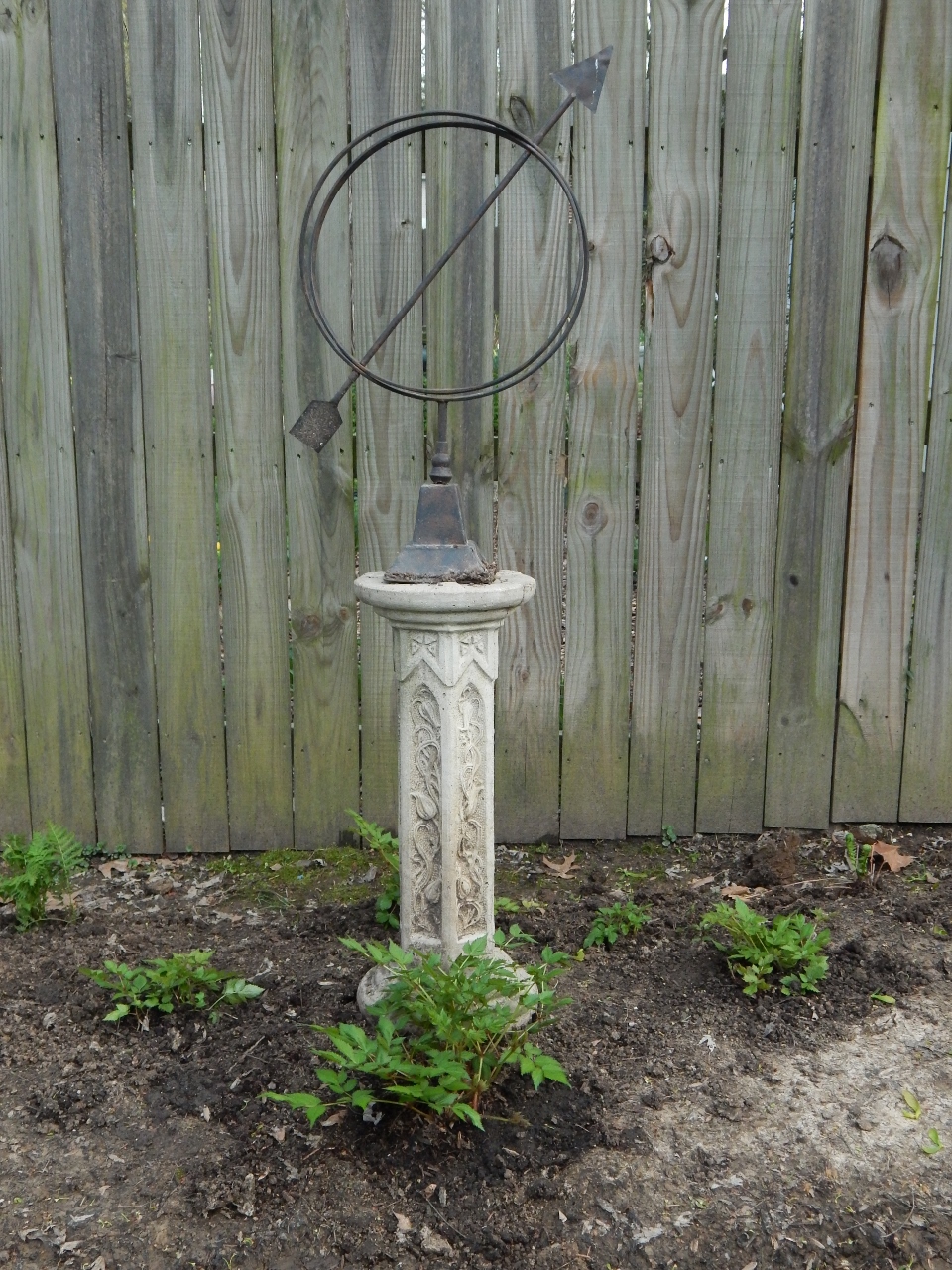
Astilbe circle the base of the concrete stand. I placed the armillary sphere on top as a last-minute gesture. My original plan is to put a container oozing with plant atop the stand. But I do kind of like this look.

It’s just after 6 p.m. My fingernails are filthy, my shoes are muddied (and in the garage), I have hat hair, my lower back is talking to me, and the shade garden bed that I dreamed about all winter has begun to take shape.

It was a very good day in the garden.

The long view of the bed, looking toward the top of the bed.

The long view of the bed, looking toward the top of the bed. There’s plenty of room remaining for the caladium bulbs on order and Japanese forest grass. And as time goes by, I think I will add more heuchera to the front.

This was a day of moving plants from one bed to another, checking the layout I painstakingly mapped out in the midst of winter–desperate for a spring day like today–and making modifications on the fly. My daughter Louise and I hoisted a concrete plant stand and moved it to the middle of the bed, which could have something to do with the backache. Here is what has gone into this fence-line shade bed that is anchored at the top by a maple tree and curves at the bottom into the wet “problem zone” of the yard:

  • Astilbe Chinensis “Visions,” featuring a raspberry red plum.
  • Ostrich fern (Matteuccia Matteuccia). Placed in the back of the bed in front of the fence because they can grow five and a half feet tall.
  • Hosta “Frances William.” This is one forgiving plant because I have moved it three times in three years and it seems unfazed.
  • Heuchera “Plum Royal” and “Marvelous Marble.” The Ruffled Lime I planted last year have not reappeared.
  • Several variegated Solomon’s seal (polygonatum biflorum). My friend Mary generously allowed me
  • to dig up several transplants from her yard early in the week and I was able to get it in before the torrential rain this past week. It has doubled in height in the one week it has been in the bed.

Still to come: Caladium “White Queen,” Japanese forest grass (Hakonechloa macra) “Aureola”, creeping jenny. And mulch, lots of mulch.

Dear readers, how does your garden grow?


2 Comments

Fiddledee Dee, Fabulous Ferns

fern unfurling2Right now, spring garden watching in Arch City finds young fern fiddleheads gracefully unfurling, soon to become lovely fronds. Last year I bought 3 ferns, Sensitive (Onoclea sensibilis) and  Ostrich fern (Matteuccia struthiopteris) from my local nursery and planted them beneath a tree along the fence. I am happy to see they have returned for Season 2 in my gardens.

I have always liked ferns. My mother had a large fern bed on the shady side of her house. Over the years the fern overtook the ivy. They were prolific, so I figured I would start small and buy just a few to see how they did under the shade of the tree. The “Big Idea” though is to have fern running the 15-foot length of the new bed that is along the south fence. (More about that in a later post.)

A few weeks after planting,  I was back at the nursery asking about what appeared to be their failure to thrive. They seemed to be withering and not doing well. Was it too hot for them? No. Perhaps I planted them too deep, the woman at the nursery asked. Hmmmmm. Maybe so. They do like moisture and I was out of town for a bit and they did not get watered. Don’t worry, she assured me, they are a lot tougher than they look. I replanted them but they never really seemed to take. I had also come across a neighbor who was dividing her ferns and added three more to the yard, this time in the bed near the garage. Ah yes, the right spot! They did wonderfully.

But as I said, the fern are back and the all look spectacular. Soon I will placing them in the new bed. My first nursery purchase this season was three more Ostrich fern. The rain has stopped–for now, as there is more in the forecast–so things may dry out enough that I could begin planting.

Did you know these Fun Facts About Ferns?
1. Like the cockroach, they are survivors. Ferns have been around since nearly the dawn of time (they predate the Mesozoic era) and are older than land animals and dinosaurs. At one time, they were the dominant plant on earth.

2. They may be strong but they are sensitive and particular about their habitat, mostly preferring moisture and protection from too much sun, too much wind and freezing temps.

3. Ferns are a vascular plant and reproduce sexually using spores. They need moisture to reproduce, one of the reasons they are often seen in profusion around ponds and streams.

4. The fiddlehead is the unfurled frond of the young fern, and many consider them a culinary delicacy.  I had my first taste of fiddleheads in Portland, ME last spring. They were very tender and reminded me of young asparagus. But before you start harvesting your unfurled fronds, beware! Only a few species’ fiddleheads are edible.