The Arch City Gardener

Journeys In St. Louis Gardening and Beyond


3 Comments

Preparing for Productive Spring Gardening

I take great in pleasure reading gardening blogs where I find kindred souls who also while away their winter doldrums by planning for spring, reviewing last year’s accomplishments and reading gardening books (no doubt for the delicious eye candy). Spring daydreaming finds me focused on two new garden bed projects I’m itching to dig into.

But I have gotten ahead of myself.

Autumn is where this story begins. Autumn in St. Louis is glorious. Hot, hot temperatures have eased, the humidity has backed off, and the season is long enough to enjoy the garden’s last hurrah. That is when I began preparing my two spring projects. Just enough was accomplished to leave me feeling satisfied that I could “put the garden to bed” for the winter. In fact, I highly recommend beginning the foundation of a project in fall because it gives us gardeners all winter to mull over plant selection, peruse Pinterest for great combinations and spend the dreary and dark cold winter thinking about the possibilities to come.

Raised Bed on The Sunny North Fence

With the railroad ties removed, I could create an entry that did not require visitors to take a very large step down into the yard.

With the railroad ties removed, I could create an entry that did not require visitors to take a very large step down into the yard. The square stones are the original patio repurposed. I will move them to the side yard where I store my pots and yard waste. I’ll install a rain barrel where the downspout is located.

Project number one entailed replacing the rotting railroad ties that made this a bed, improving the entry into the yard from the gate, and adding more soil and grass seed to improve water flow. I selected a stone to tie into the patio but I am not entirely sold on its look. (I won’t get into the sordid details of my ugly complaint to the materials store, but let’s just say what was delivered didn’t exactly look like the materials on display.) But I think spilling plants will make me a true believer. This bed would be ideal for veggies, and I have dabbled in that area with limited success. The yard is Club Med for Squirrels and they have robbed me of any bounty tomatoes might bring. I’ve had limited success with peppers but always place herbs here. No, this sunny runway will be filled with florabunda. The great Canna Experiment took place in the raised bed last summer and I plan to install Canna 2.0 this year.

It’s often the unnoticed things that make a difference. I also added a lot more soil to the ground in front of the bed and reseeded. The season was getting late and I will probably have to add a little more grass seed in the spring. But the net effect is that rainwater will flow to the slope in the yard instead of just sitting there. A rain barrel is also in the planning. Not exactly what I want at the entrance to the yard, but I really like the sustainability aspects of the rain barrel and will somehow camouflage its unattractive exterior. I think they are making more options for barrels as well. This part of the story is to be continued.
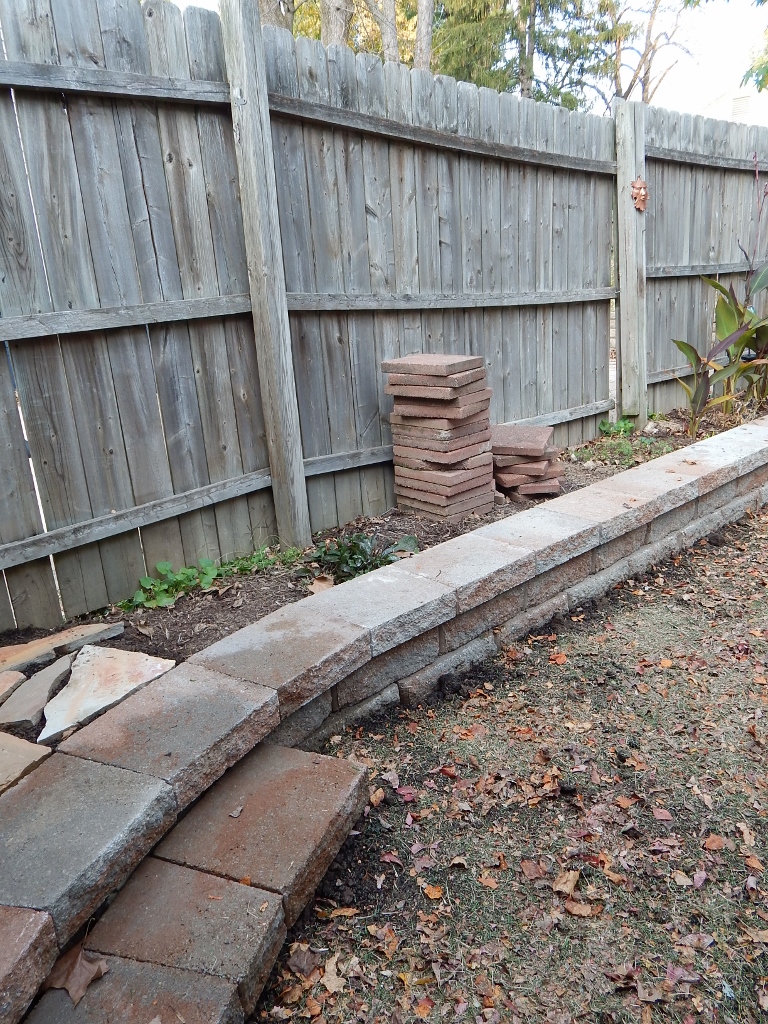
The lower left is the step added to the wall at the entrance to the yard. I do like the curve.

The lower left is the step added to the wall at the entrance to the yard. I do like the curve. I placed flagstone pieces at the entry to create a sort of “landing” as you enter the gate.
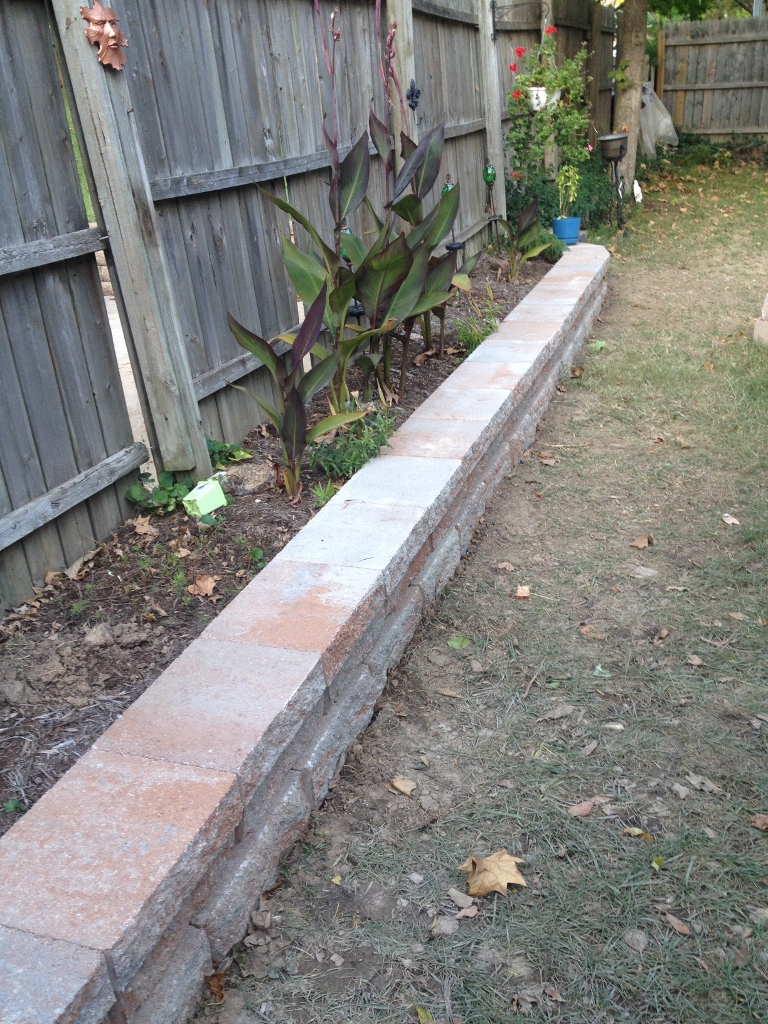
View of the length of the bed. This photo was taken from the gate

View of the length of the bed. This photo was taken from the gate. Most of my perennials were cut back or moved in the fall. The Great Canna Experiment though, required the leaves to get a healthy frost bite and die back before removing the canna.

The Shady South Fence

Directly opposite the North Fence is the South Fence which sits in shade. This, too, is a runway along the fence. However, it terminates at the pie-shaped wedge in the corner of the yard that has been my nemesis. When I first moved here in 2011, the wedge had 3 hosta in it. I added more hosta and azalea with an end goal of having large, hot pink azalea fill the back corner. That plan did not work as this area if draped in deep shade and part of its is the wettest spot in the yard…think standing water when it rains hard. Year 2 was spent coaxing the plants and adding plenty of mulch. Year 3 found me abandoning this bed completely.
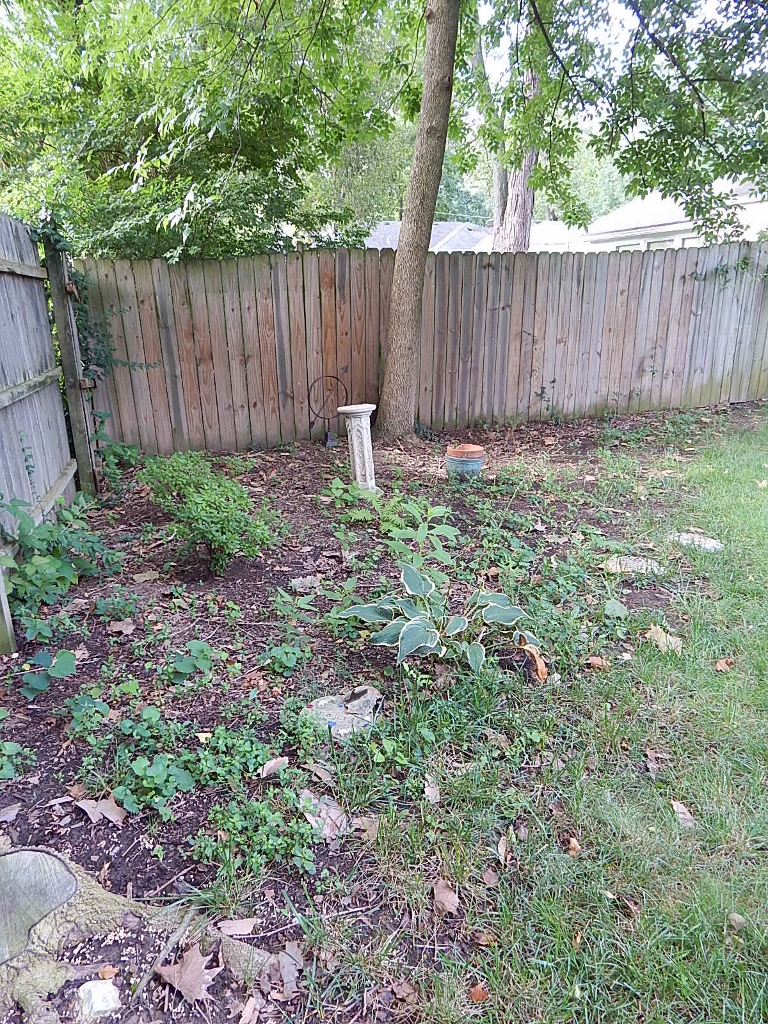
Oh so weedy, oh so neglected! I gave up the fight in the summer of 2014 only to resume the battle to make something of this difficult space.

Oh so weedy, oh so neglected! I gave up the fight in the summer of 2014 only to resume the battle in the fall to make something of this difficult space.
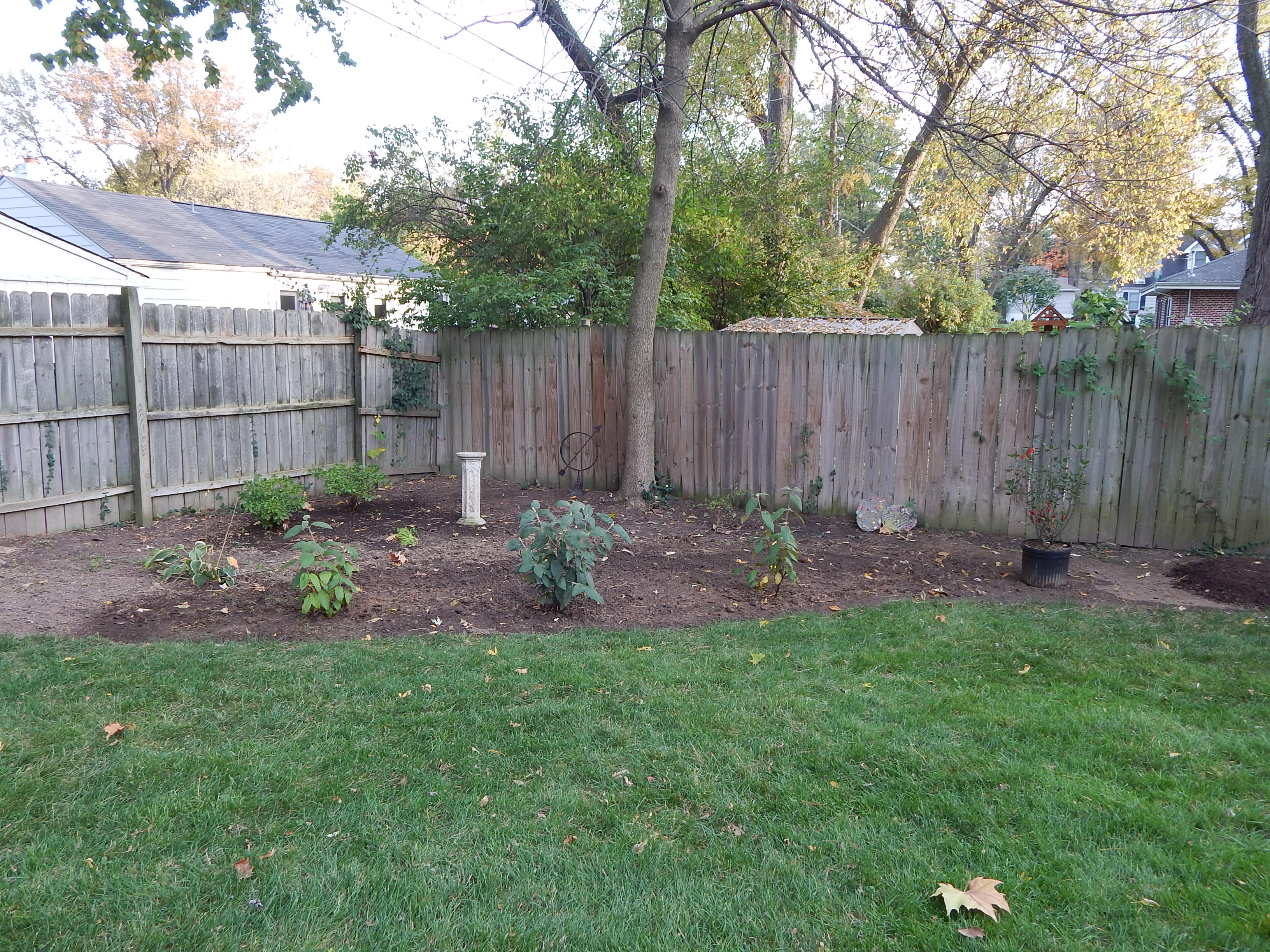
Before Corner bed with Viburnum

The wedge in transition. The azaleas have been moved to the front left. The winterberry on the far right has been planted and to the right of that is the edge of the new bed that runs the length of the fence line. There’s still work to be done but if this plan works out the shrubs will screen the corner. I may even use that space to place the wheel barrow and other garden tools.
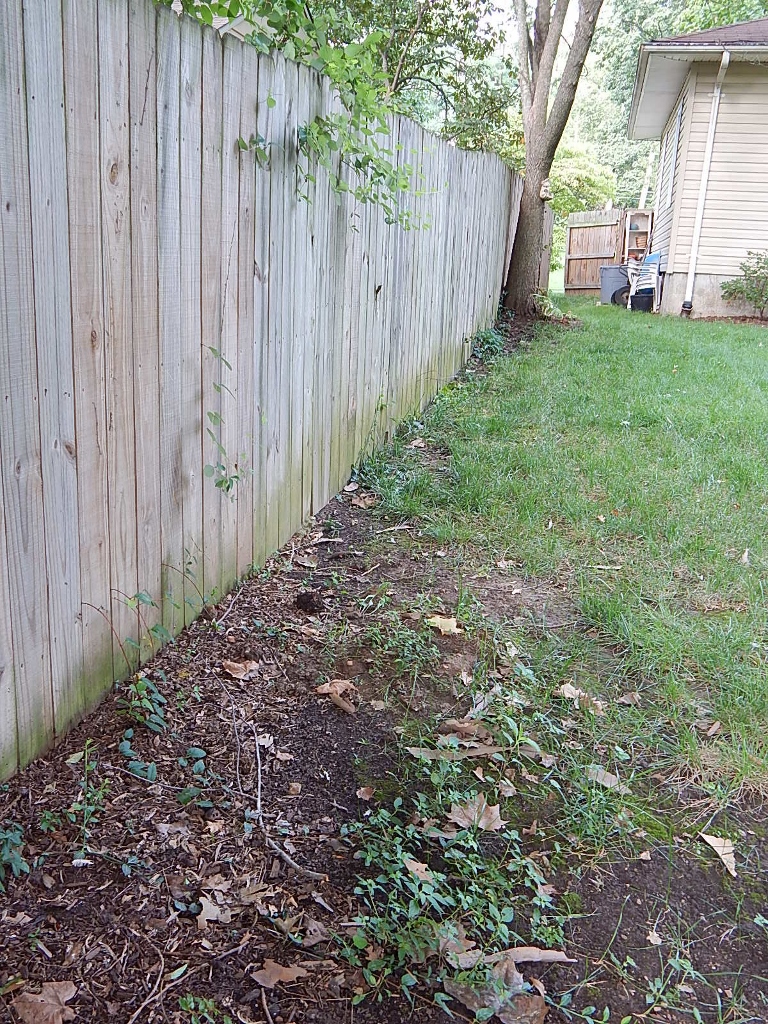
The "before" glamour shot of the South Bed. At the bottom edge of the photo is where water pools after hard rains.
The “before” glamour shot of the South Bed. At the bottom edge of the photo is where water pools after hard rains.

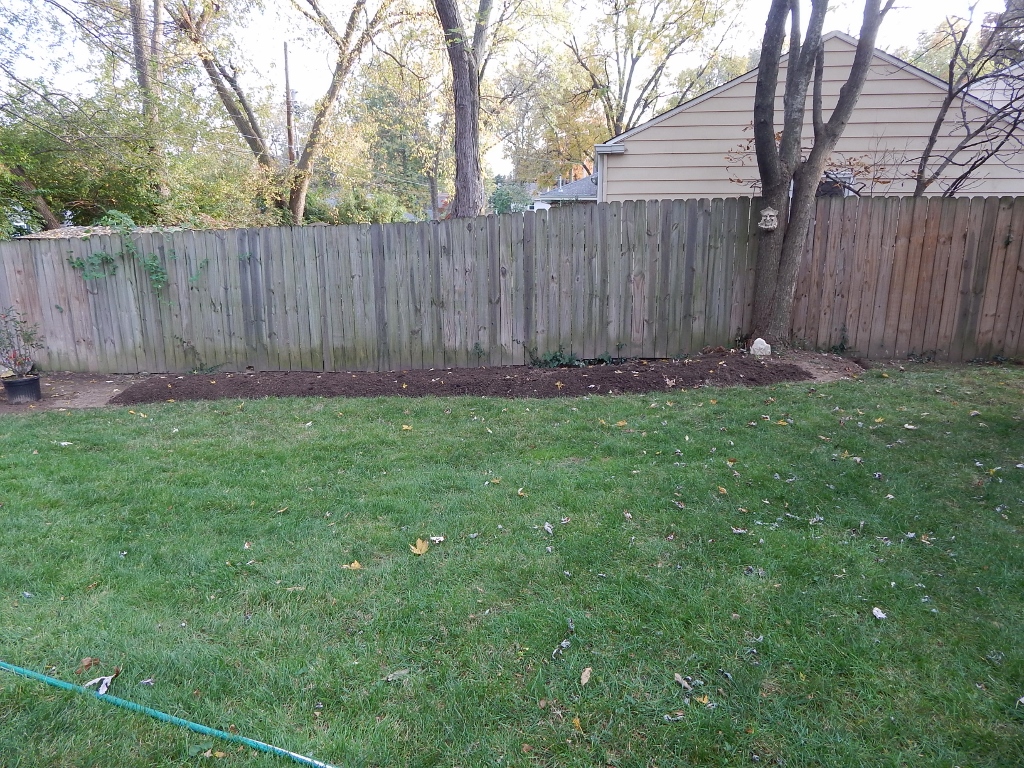
The new bed along the fence is waiting to be planted. My winter day dreaming is under way.

The new bed along the fence is waiting to be planted with shade lovers. 

The new plan is all about creating a screen and involved moving the three remaining azaleas (rhododendron) to the edge of the the wedge where there is a bit more sun; adding three leatherleaf viburnum (Viburnum rhytidolphyllum) along the edge as they grow tall and fast; and putting in winterberry (Ilex verticillata) to wettest spot in the wedge.Now I only added one winterberry because this low, ponding area is where the deep shade begins. I will see how things go this summer but would like to add two more winterberry.

As for the shade-loving runway along the fence: That’s where the winter day dreaming comes in. Thank god for Pinterest, gardening magazines and blogs. My mind is filling with ideas hopefully to be realized in 2015.

What are your best bets for shade? Are there any tall shrubs that love shade and screen the dull gray fence?
2 Comments

Making Progress in the Garden

I’ve written much about the bed that faces east and south beneath the den windows and the large bed that lies opposite it and runs the length of the patio. But my “vision” is to wrap gardens around the back of the house; to update the old railroad-tie, raised bed; and to build a bed along the south fence. Ambitious, I know. Rome was not built in a day and neither is this garden.

I imagine all gardeners are familiar with the three year adage: “First year sleeping, second year creeping, third year leaping.” 2014 was year three and I am pleased with much of the leaping that occurred. Take a look.

Just getting started in year one. A blank slate is fun.

Just getting started in year one. A blank slate is fun.

Second year creeping.

Second year creeping.

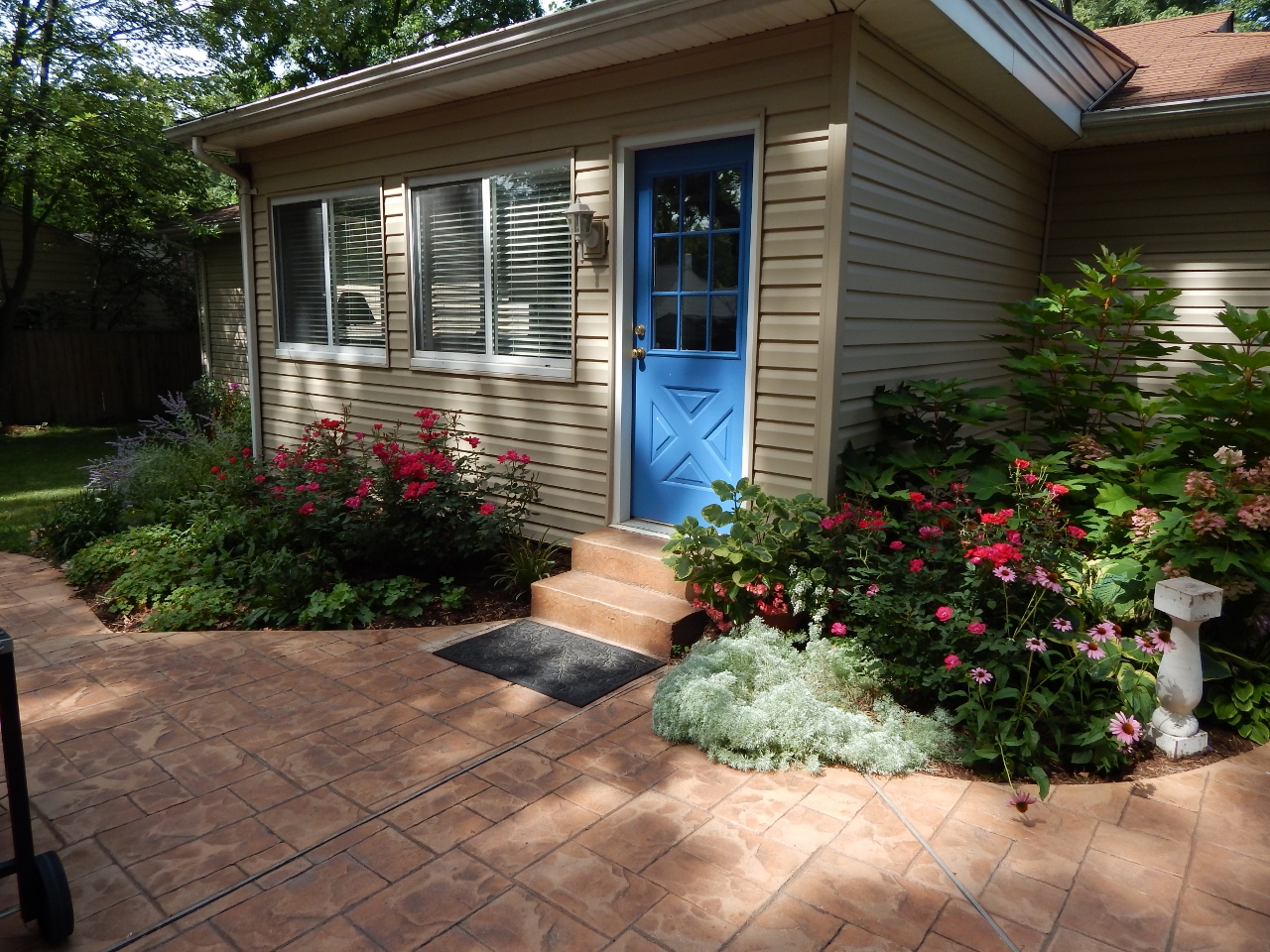
My "vision" is to wrap gardens around the house. The blue door is the entry to the den, which faces east.

My “vision” is to wrap gardens around the house. The blue door is the entry to the den, which faces east.

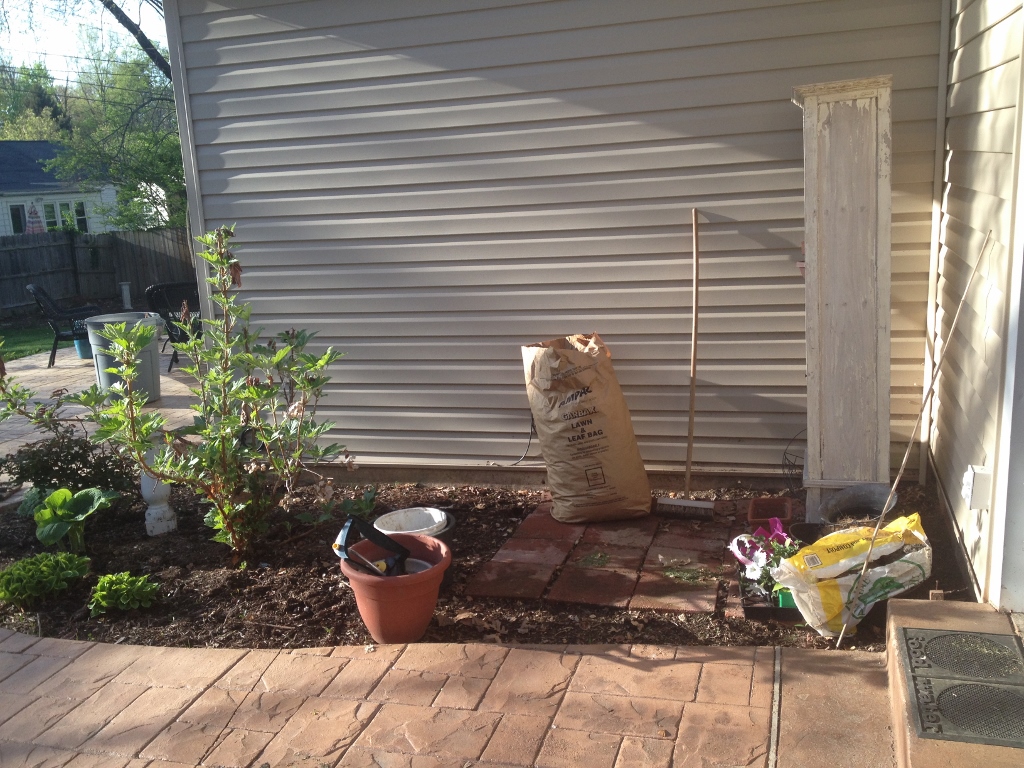
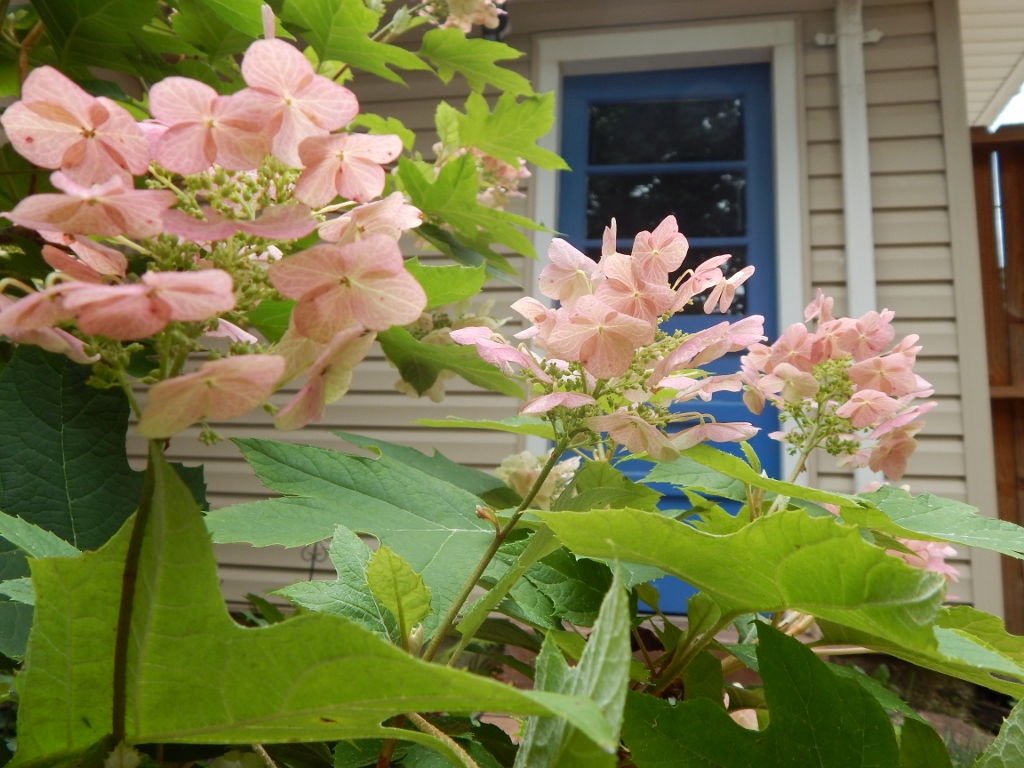
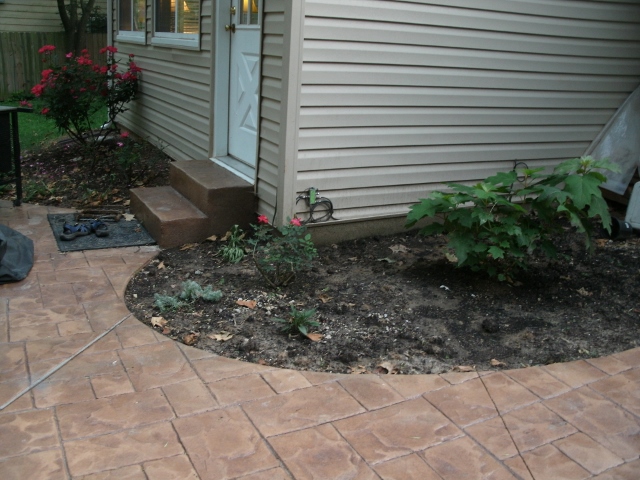
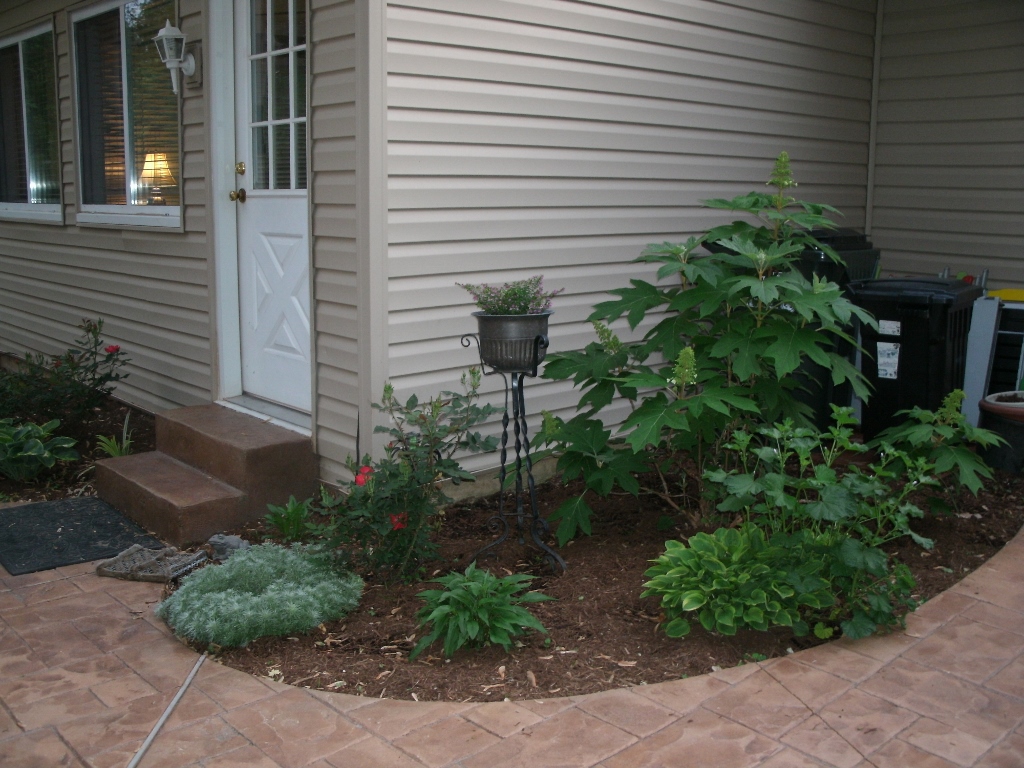
On the north side of the den, I planted a lovely oakleaf hydrangea (“Alice”), one Knockout rose bush and perennials in 2012. My thought was that the oakleaf would be a screen and behind it would be my potting shelves and storage for the trash cans. Because I am the youngest of two sisters who have great sensibilities, I listened when they observed that seeing the trash cans first thing upon entering the gate gives a less than stellar first impression of the garden.

My thought in planting the oakleaf hydrangea (in the back of photo) was to create a screen to hide the potting shelves and trash cans.

My thought in planting the oakleaf hydrangea (in the back of photo) was to create a screen to hide the potting shelves and trash cans.

The view from the gate...not a welcome one, according to my older and wiser sisters. A clean up of the area commenced in 2014, and plantings were installed.

The view from the gate…not a welcome one, according to my older and wiser sisters. A clean up of the area commenced in 2014, and plantings were installed.

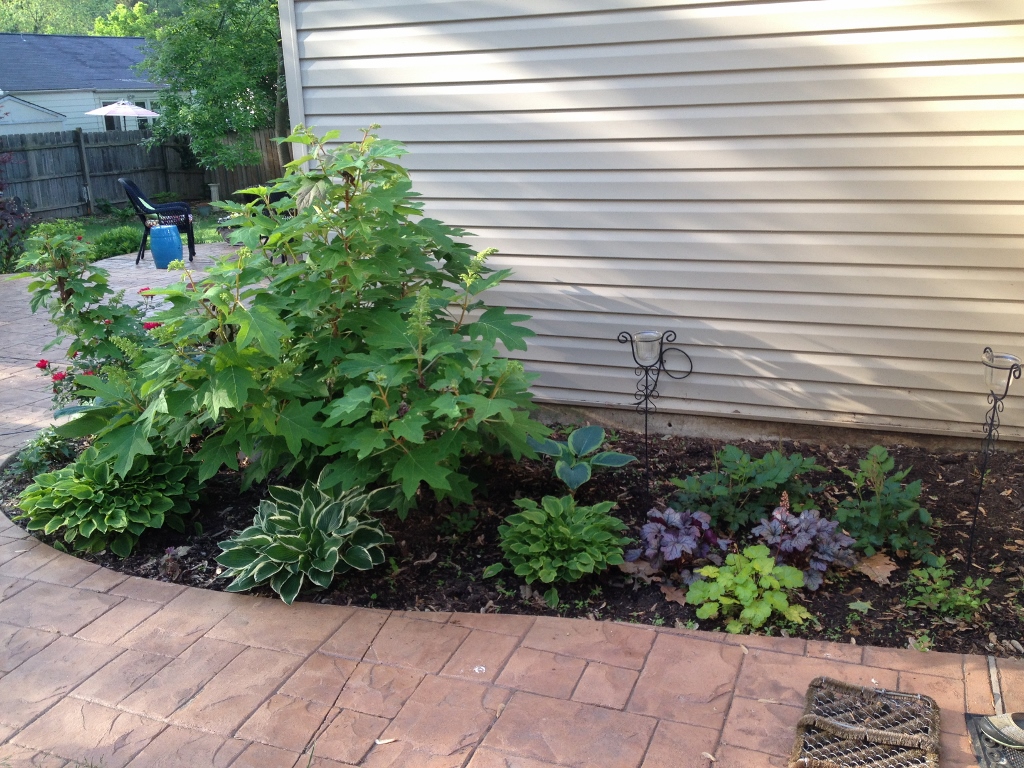
The "after" look includes plantings of hosta, heuchera, astilbe and ferns.

The “after” look includes plantings of hosta, heuchera, astilbe and ferns. The oakleaf has turned into a godzilla of sorts, devouring the hostas with its branches. I will move all the hosts in the spring.

So two seasons later, I heeded their advice and extended the bed and moved the trash cans and shelves. My gardening style tends to be experimental in that I will place several specimens in a bed to see how they behave. The back end of the bed is shaded. In fact, the oakleaf pretty well grabs the last of the sun as the bed turns north facing. I expect to move many of these shade lovers to a new bed I am building on the south side of the yard (more on that in another post). In fact, I am contemplating removing the smaller-sized plants and moving an azalea in here. I think the balance will be better.

I look forward to sharing with you my plans for some new garden spaces in 2015 and hearing your comments. Thanks for reading.


3 Comments

Writing Prompt: Our Gardens Ourselves

foxgloveOne quick glance through the window into the backyard and my garden tells a story of transition. Or more aptly put, growing.

In 2011, after nearly two years of being tossed about by the midlife changes of divorce and children launching into their own lives, I bravely charted a new path and moved to a new home. Its backyard was a blank slate, nothing there but an expanse of lawn with rickety pavers masquerading as a patio and two lonely rose shrubs under the den’s window. A raised bed running the length of the short fence was fallow, not a single plant pushed through the clay soil.

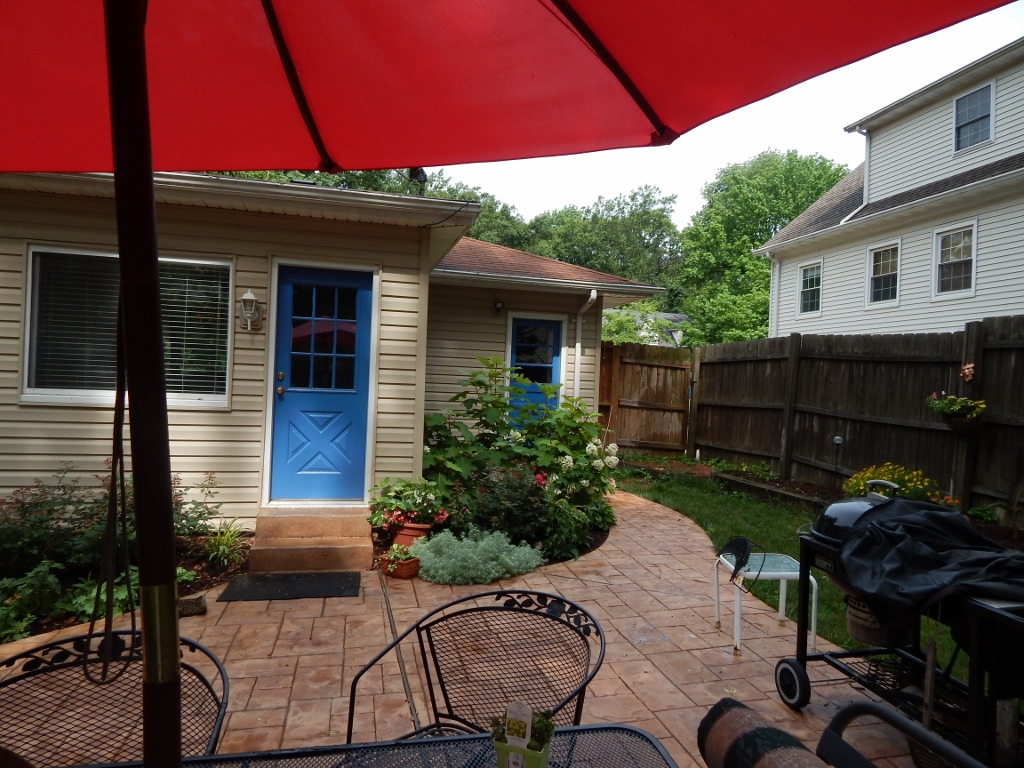
Seeking a permanence that had been uprooted, I immediately set about anchoring my existence and installed a large concrete patio. Nothing says “I’m here to stay” like concrete. A dining table, coffee table, chairs, planters and chiminea invite visitors to have a seat and stay awhile. And the curving garden beds I would plant surrounding the patio, house, and borders of the yard, would provide a floral vista worth the linger.

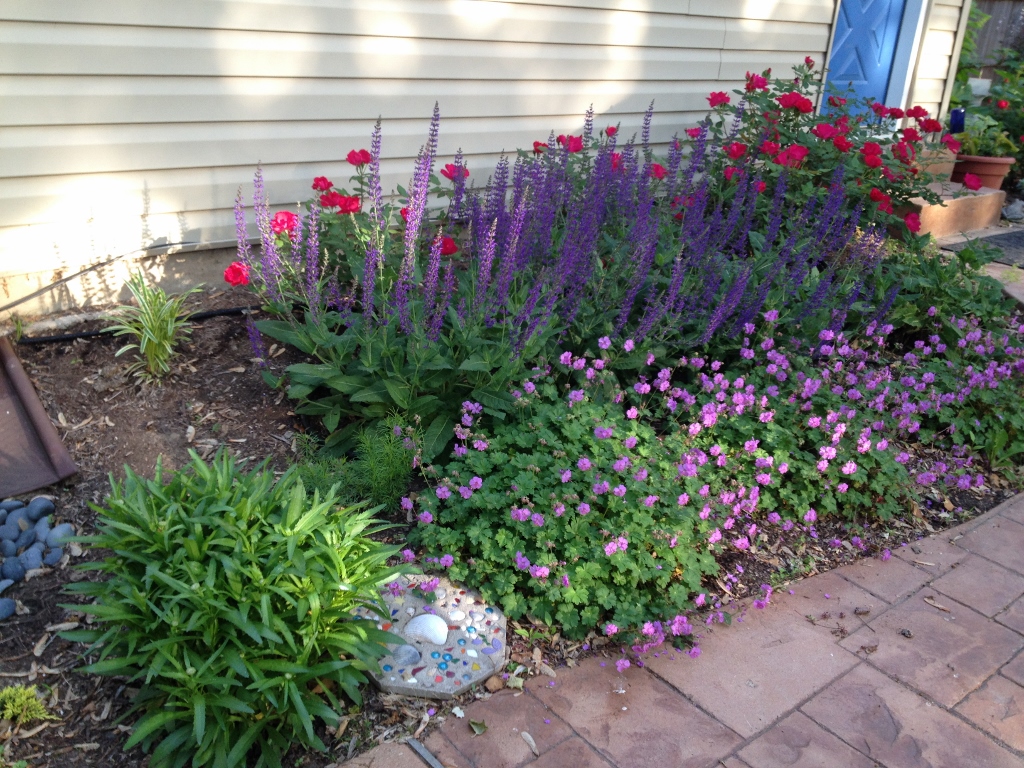
den bed in May  (1024x768)The serious work of establishing roots came with the plantings. A riot of intense color beneath the den tells a story of passion and nerve. Here a bed brims with hot pink roses, spikes in spring with the deepest purple salvia and spills mounds of pink cranesbill at its edges. It wraps toward the south and tall garden phlox, swaying Russian sage, happy Shasta daisy, deep crimson monarda and an assortment of red and yellow lilies and other perennials are kissed by the sun and return its affection with bloom after glorious bloom. This has been my experimental bed, the place where I try out different perennials.  It is my cutting garden and it is a spot in the yard in which I am unafraid to try new things.

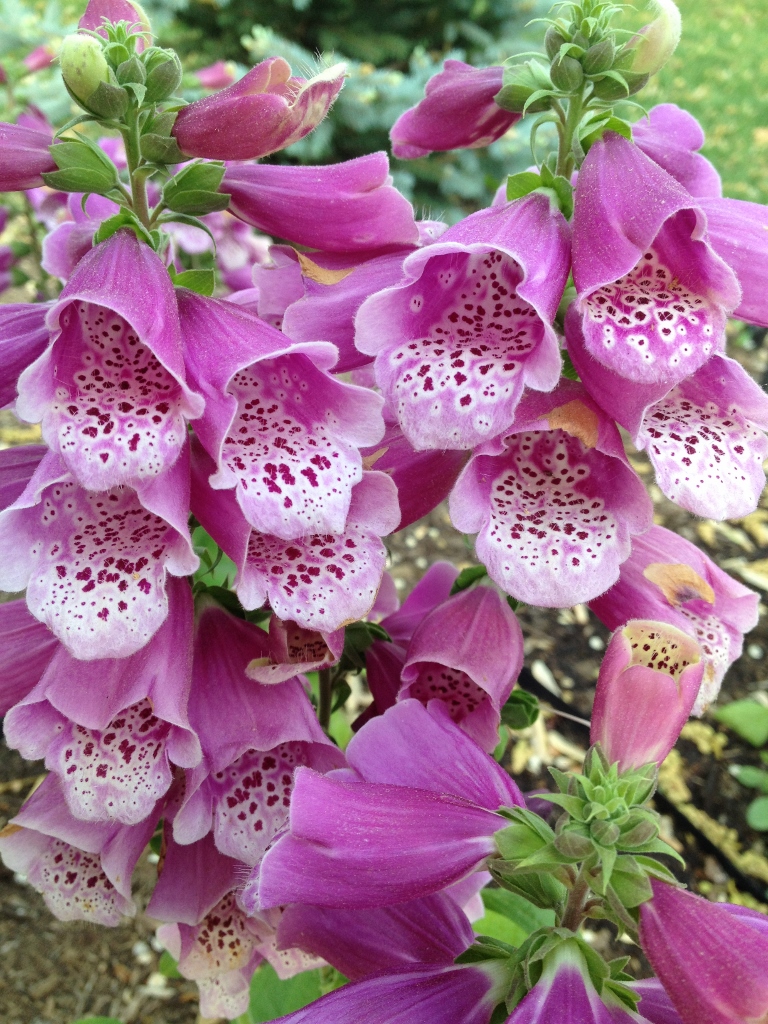
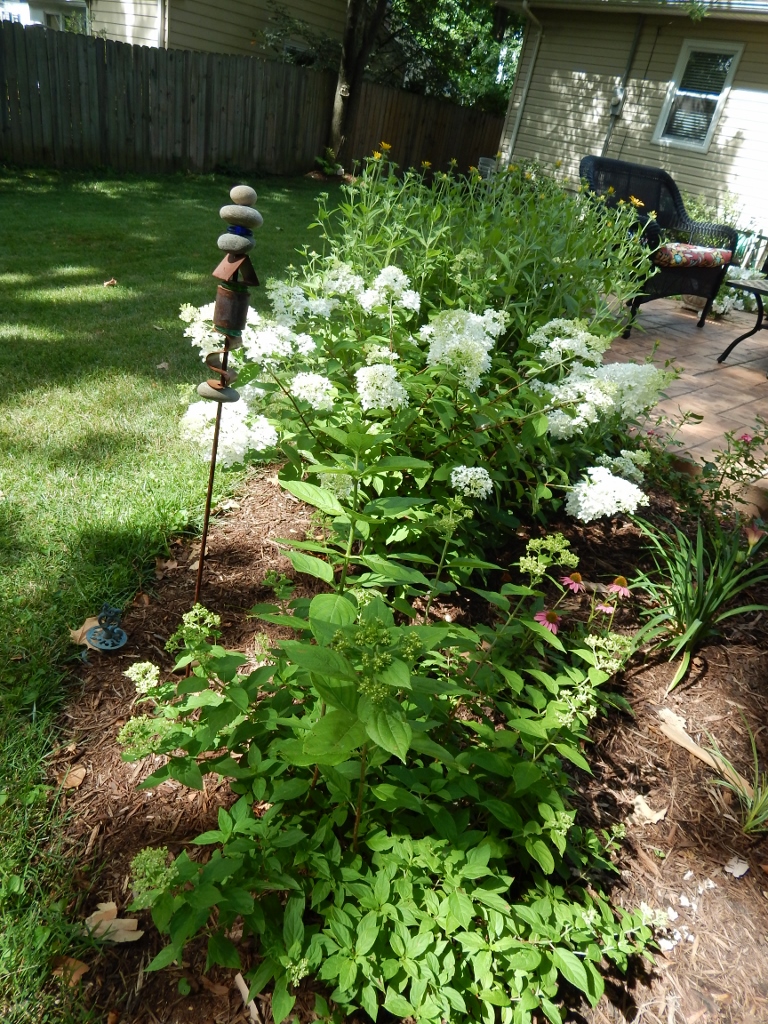
Opposite the den garden and running the length of the patio, a large paisley shaped bed tells a story of ambition and optimism. A graceful Japanese maple, stout dwarf Colorado blue spruce and small hydrangeas that serpentine their way through the bed are the foundation. Yet there is plenty of room to grow. Each growing season, the sun soaked garden receives new plants that provide another layer of color, form and texture.  I watch from the den as the specimens play host to birds, bees, butterflies and squirrels. Tall grasses, pink roses, spiking liriope, speckled purple foxglove, sturdy mauve gayfeather, Russian sage, echinachea, bold black eyed Susans come back in profusion year after year.

DSCN0096 (1024x768)The raised bed has provided a bounty of tomatoes (alas, mostly for the squirrels), peppers, herbs and flowers. Its rotting timbers have been replaced with stone and this year tall cannas stood sentry along its straight line.

Three summers have passed since I began my garden adventures. Happy to be in place, but not content to be static, new plants are added each year to the initial garden beds. I continue to make way for new possibilities, and will build a bed that run the length of the graying wood fence that faces north. I am unafraid to move shrubs to new spots that will encourage greater growth and know when to give up and pull a plant that just won’t make it. And no matter the season, I nurture the gardens, coaxing them to put forth their very best, year after year.

Thanks to You Grow Write Guild for the excellent writing prompt. This is my first go at such a thing and I am glad I stumbled upon this. In the short time I have been blogging, I am amazed at the communities available online and the resources available.


Leave a comment

Trying to Grow Orchids

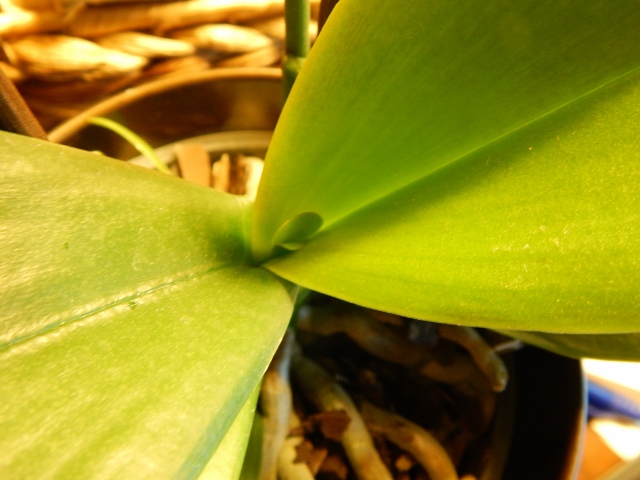
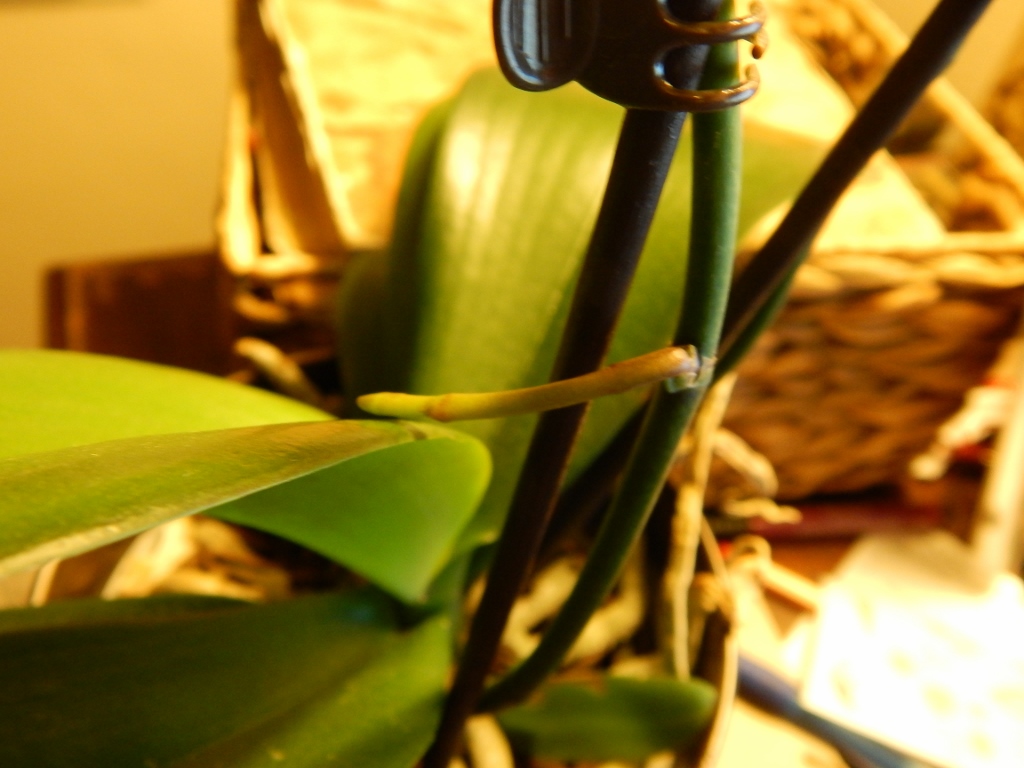
Orchid #2 leaf growth (640x480)I’m fairly excited. I truly am. I came in from my dark, 10 degree F (-12 C) work commute to discover one of my orchids seems to be growing! There are new leaves and “shoots” (for lack of a better word) coming off the stems. Could this plant actually be–dare I say it–thriving?

I find the world of houseplants to be more frustrating than my garden. Mostly it’s because I have limited space for them. But I enjoy the green beauty of a houseplant, especially in winter. I have two orchids, both from the grocery store, that were given to me as gifts. I believe they are Phalaenopsis or “moth orchids.” My first orchid was given to me two years ago at Christmas, and, it’s not doing the greatest (more on that in a minute). My performing orchid was given to me in August; both were in glorious bloom when I received them. Of course, I watched, misted, fed and fretted what I should do when the blooms die. Do I cut the stems down? The instructions on both tags told me to give the orchid 3 ice cubes a week. And to give it plenty of light. Check. Check. No problem following those simple instructions.

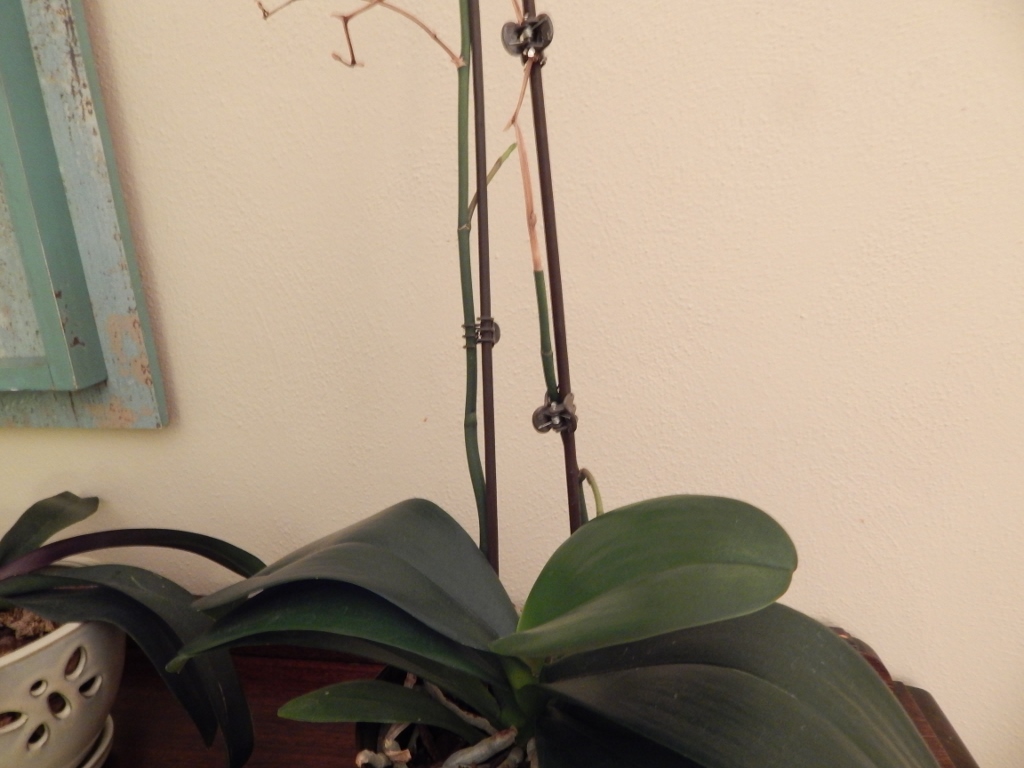
Orchid #2 stems

The browning stem makes me nervous? Do I cut this completely down? Trim it as it browns? Leave it alone? This time I opted to leave it alone.
But I do get nervous once the blooms fade and fall off. That’s because the stems begin to turn brown from the top down. Yikes, do I cut that off? Just trip off the dead stuff down to the nodule on the stem? Well, on the first plant I cut the stems when they completely turned brown and looked dead. I figured the plant would grow new stems. Hmmmmm, not so much.

Orchid #2 new growth

There’s new growth emerging from the stem of Orchid #2.

So when plant #2’s blooms faded and fell, I repeated the same step. Only this time, the stems are not completely brown and growth is coming off the nodules of the stem. And–yes, there’s more good news here–there is new leaf growth. Truthfully, that does not excite me nearly as much as the stem growth because Orchid #1 had lots and lots of leaf and root growth after the stems died. In fact, it had so much leaf and root growth that I re-potted it after I had it more than a year and it seemed rather apparent that it was not going to rebloom. I thought that perhaps the thing was root bound.

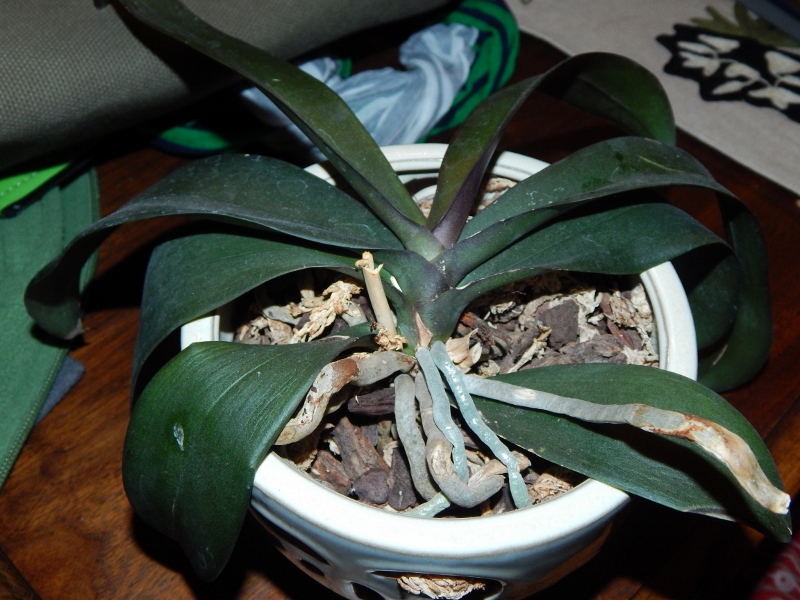
Orchid #1 doesn't seem so happy, even though I have treated it the same way as its sibling orchid. What gives?

Orchid #1 doesn’t seem so happy, even though I have treated it the same way as its sibling orchid. What gives?

I went to one of my favorite nurseries, bought a pot and planting material. I already had the orchid food, and the ice cubes. But I got nothing; the poor thing has not performed.

Maybe sibling rivalry will kick in and will start doing something, lest it be shown up by its younger sister.


2 Comments

Armed and Dangerous

My new multipurpose gardening tool stands ready for all the hand work the  garden can throw at it.

My new multipurpose gardening tool stands ready for all the hand work the garden can throw at it.

Watch out weeds. I’m coming after you compacted clay soil. Transplanting will be putty in my hands. Like a kid at Christmas, I can’t wait to try out my new toy, a multipurpose planting tool. It’s a trowel! No wait, it’s a weeder! It’s big grip means comfortable control as I slice through sod. No more struggling to tear open sacks of soil, the multipurpose tool is ready.

I can’t wait for spring!


4 Comments

The Garden in Time

One of the benefits of a Midwest garden is the beauty each season brings. Here’s a look back at one garden bed as it appeared throughout 2014.

Late winter 2013 and spring can't get here soon enough.

Late winter 2013 and spring can’t get here soon enough.

The newly planted foxglove provided lots to look at as the garden got under way in spring. I love the maroon shades of the maple with the blue of the spruce

The newly planted foxglove provided lots to look at as the garden got under way in spring. I love the maroon shades of the maple with the blue of the spruce

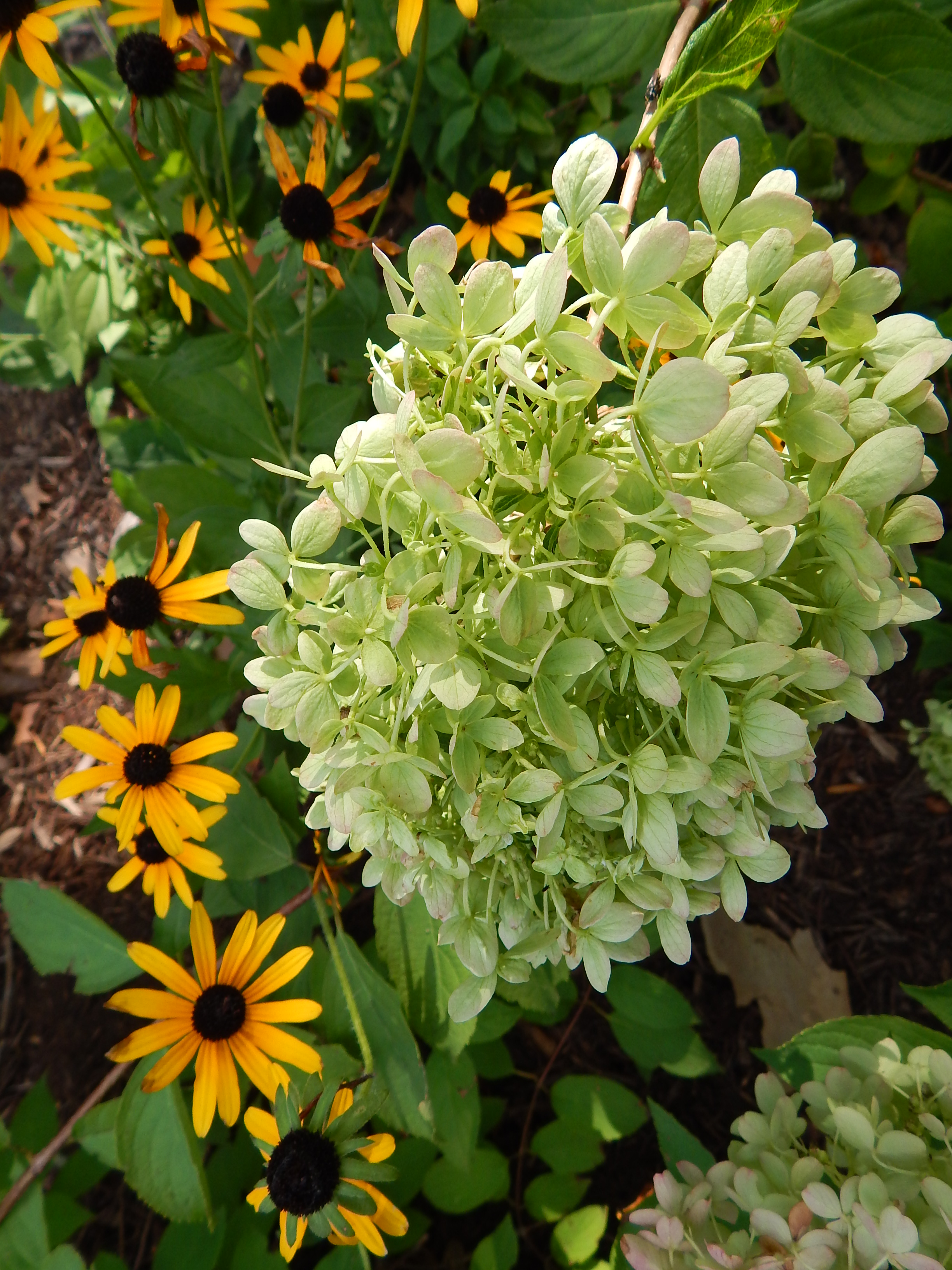
Happy summer hydrangea. Little Lamb and Little Lime wind throughout the bed.

Happy summer hydrangea. Little Lamb and Little Lime wind throughout the bed.

I under-estimated just how many plants I will need and how long it will take to fill in this bed.

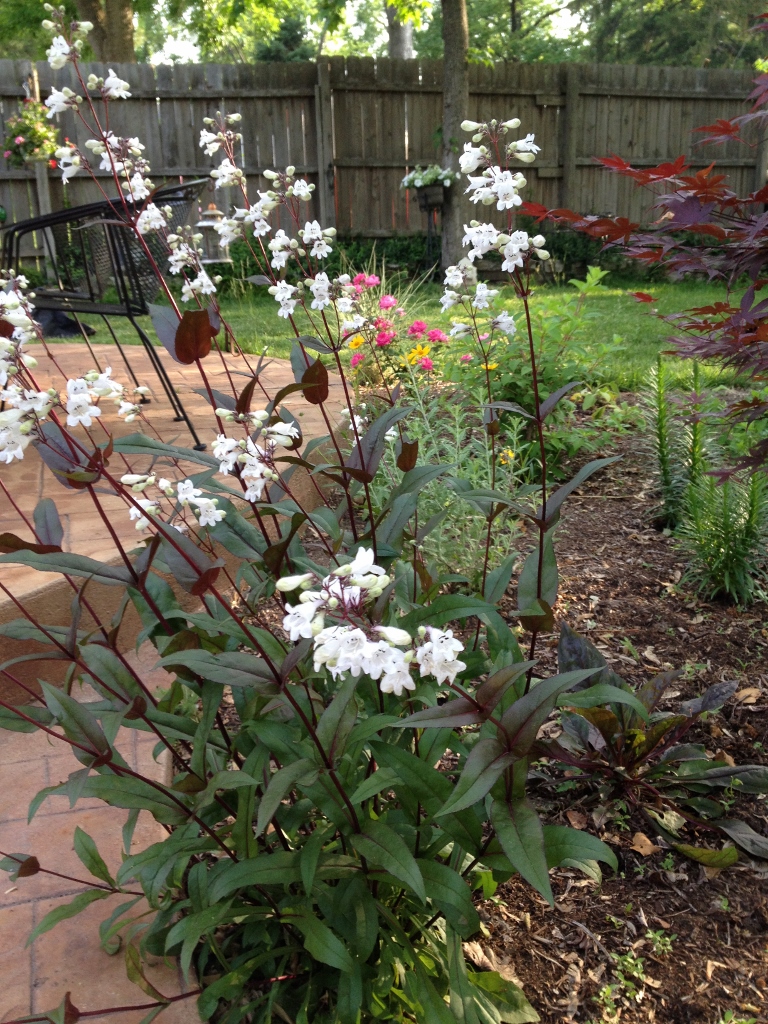
I underestimated just how many plants I will need and how long it will take to fill in this bed.  I also miscalculated on how large this penstemon would get. I moved her to the back in the fall.

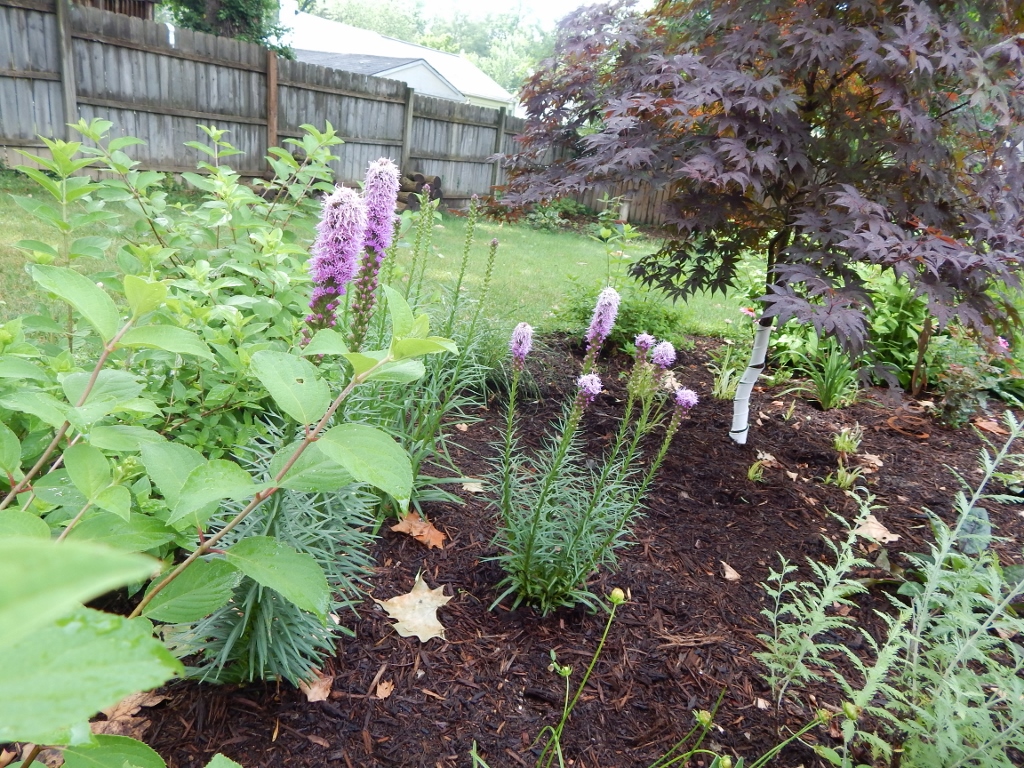
The gayfeather returned this year...I still never really believe the stuff I put in the year before will come back.

The gayfeather returned this year…I still never really believe the stuff I put in the year before will come back.

A close up of texture and shapes. To keep in the garden or snip to add to a vase?

A close up of texture and shapes. To keep in the garden or snip to add to a vase?

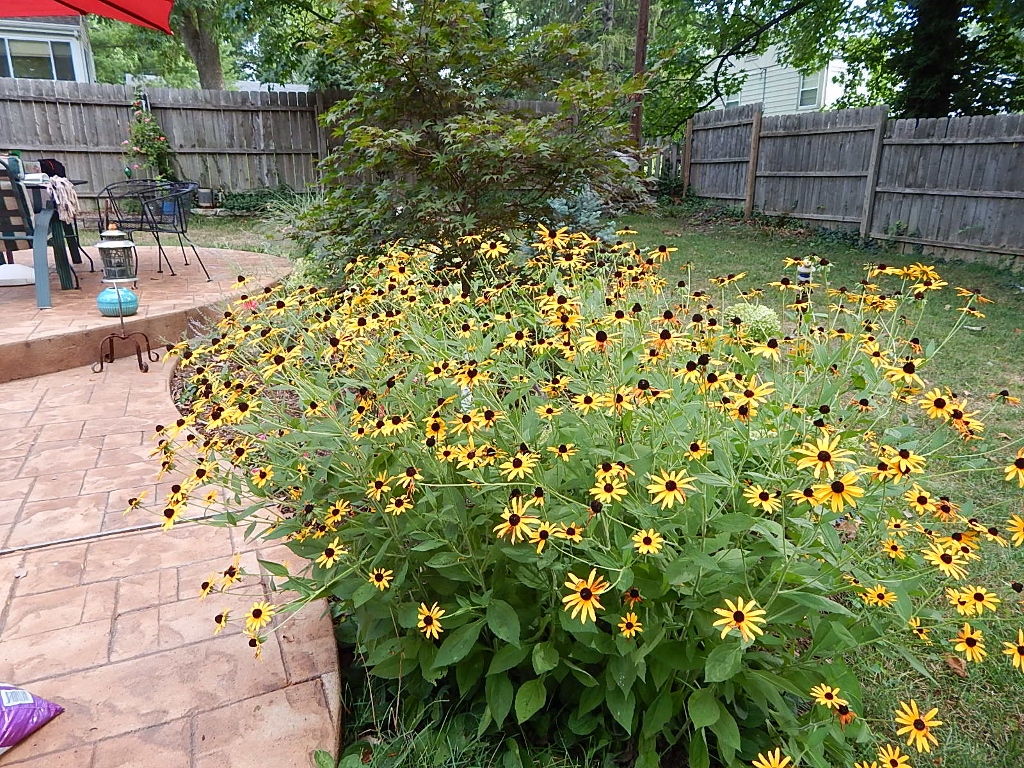
Anchoring the south edge of the patio bed, the rudbeckia is a profusion of blooms in the hottest month of the summer.

Anchoring the south edge of the patio bed, the rudbeckia is a profusion of blooms in the hottest month of the summer.

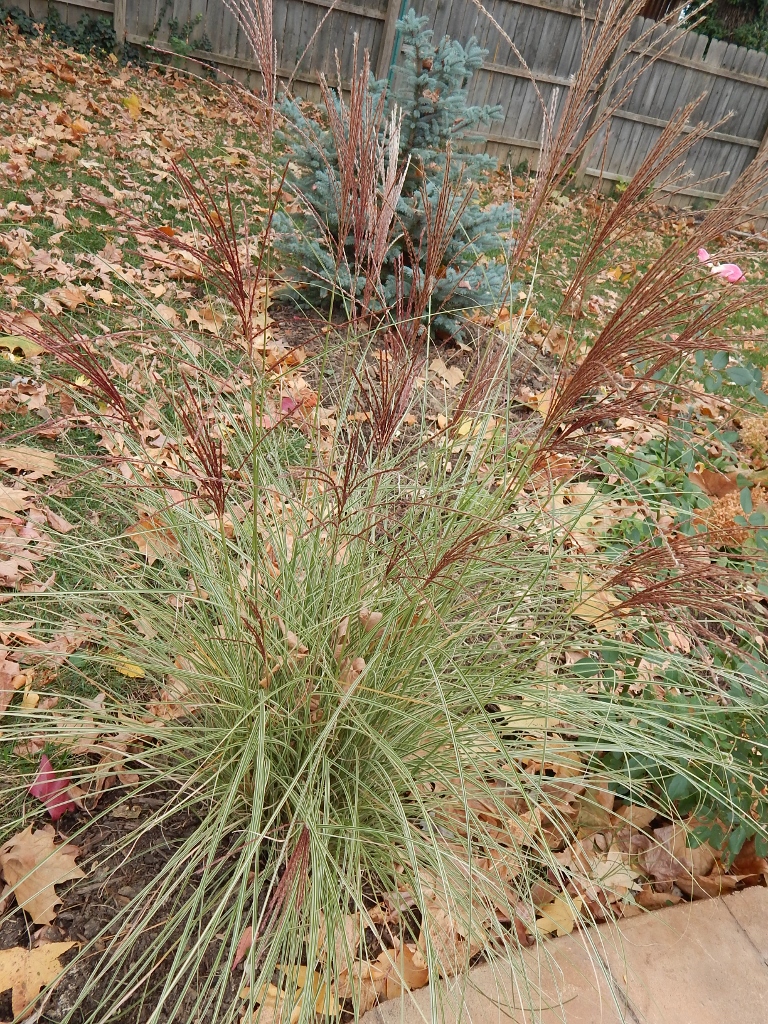
As summer give way to autumn, the rusty brown plumes on this perennial grass contrast well with the blue spruce

As summer give way to autumn, the rusty brown plumes on this perennial grass contrast well with the blue spruce

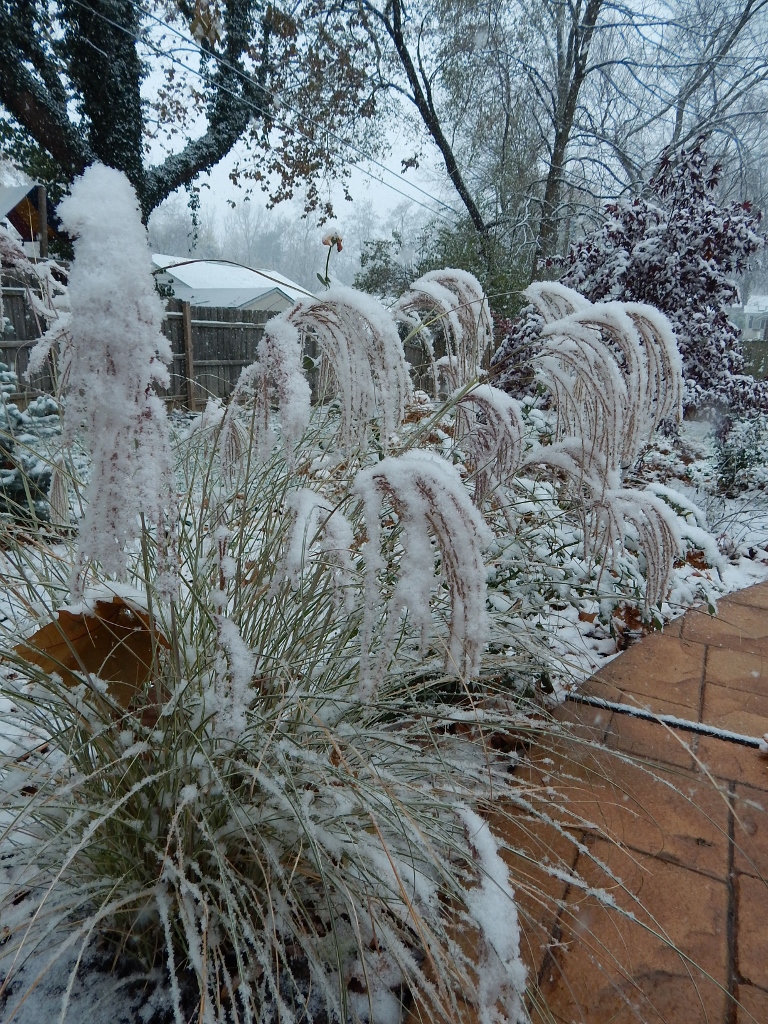
The grasses plumes drape gracefully under the weight of a wet snow.

The grasses plumes drape gracefully under the weight of a wet snow.

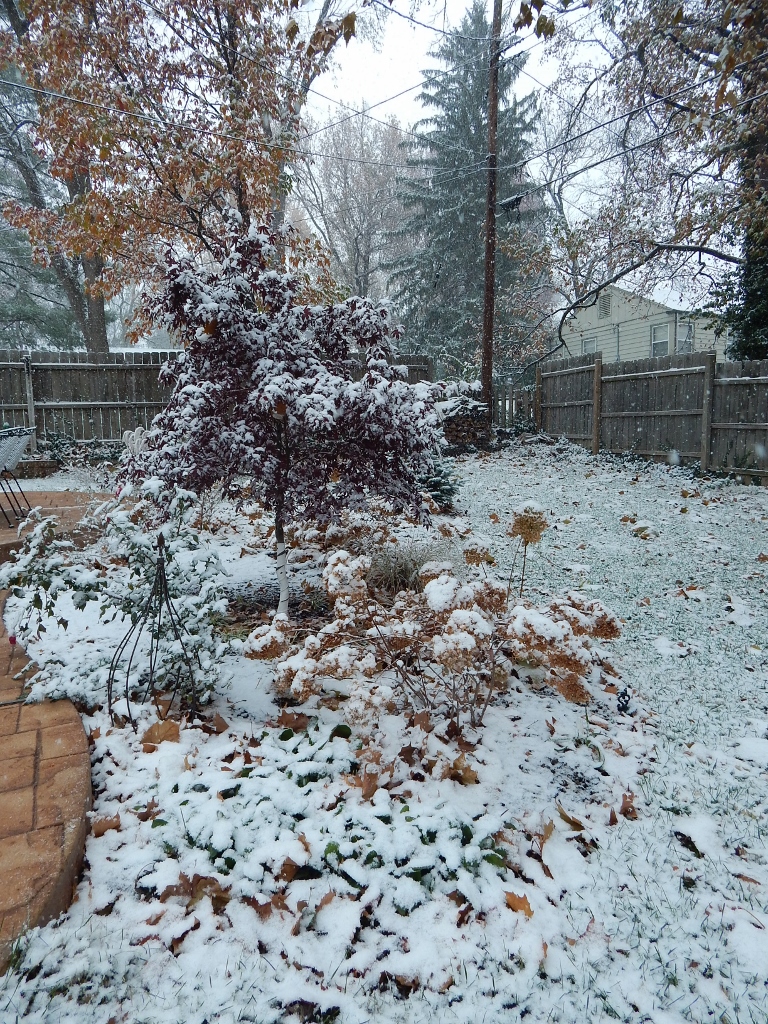
The muted tones of fall beneath a blanket of snow: Harvest brown foliage and faded hydrangea blooms and the tall maple at the top of the bed; maroon leaves on the Japanese maple; and the tall pine in my neighbor's yard.

The muted tones of fall beneath a blanket of snow: Harvest brown foliage and faded hydrangea blooms and the tall maple at the top of the bed; maroon leaves on the Japanese maple; and the tall pine in my neighbor’s yard.


Leave a comment

Ewwww! What is that Smell?

It’s not often you hear gardeners decry the aromas of a garden’s flora. One whiff of the titan arum Amorphophallus titanum arum–a.k.a. Corpse Flower–and you’ll find yourself spewing forth colorful adjectives to describe its memorable odor. Here a few that quickly come to mind: rotting meat, rotting flesh, an overflowing outhouse on a hot summer’s day. Certainly something to avoid.

Well, not so fast. Like the dung beetle it attracts, Amorphophallus titanum arum drew my daughter and I and about 2,000 other inquisitive St. Louisans to the Missouri Botanical Garden for a rare glimpse and a sniff. In fact, you could not avoid the smell if you wanted to. “Izzy” as the staff at the garden affectionately donned the titan arum, began its bloom late yesterday afternoon. This is a short lived wonder lasting about 24 hours. Midnight was the bewitching hour for the peak its bloom and its attracting stench. And we were there to take it in.

Known as the Corpse Flower and affectionately named Izzy by the Missouri Botanical Garden Staff, this arum's bloom is short lived and its fragrance is memorable.

Amorphophallus titanum arum, known as the Corpse Flower and affectionately named “Izzy” by the Missouri Botanical Garden Staff. It’s bloom may be short but its memorable fragrance lingers.

MOBOT has 10 of these rain forest arums yet only three are growing at this time. Its bloom is a rare sight that lasts only briefly. This one was planted in 2003 and until last night bloomed for the first and last time in 2012. There can be variation in when a titan arum blooms, and you could feel the excitement and giddiness among the MOBOT workers. (Of course, many of them had been on duty since early that morning, which could contribute to the giddiness.) They typically begin their bloom in mid to late afternoon and it  peaks late at night. MOBOT kept its doors open until 2 a.m. and invited the whole town to the party.

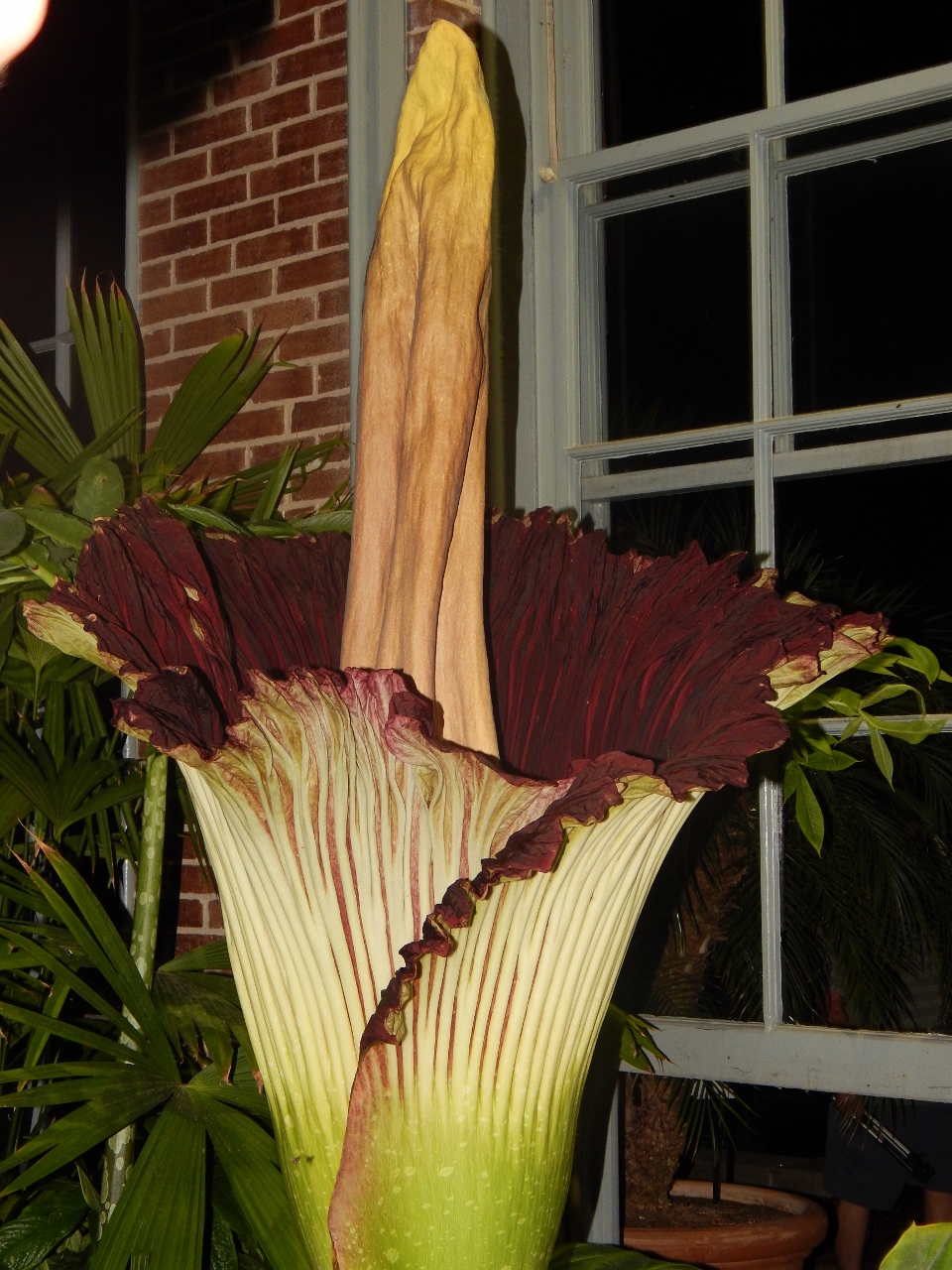
The titan arum was at peak bloom at midnight.

The titan arum was at peak bloom at midnight.

We did not mind standing in line to see the titan. There was a festive atmosphere among the gathering crowd and we could smell titan before we saw it. The windows to the Linnean House were open, emitting a foul odor.

As we entered the Linnean House, a woman was measuring its petal structure across, which was holding at 34 inches. The tall phallic-looking protuberance is called the spadix and the green-burgundy leafy structure is called the spathe. Hidden down inside the spathe are two ringlets of flowers around the spadix. The top one bears the male flowers. The male and female flowers open and pollinate at different times.

So where does that beetle attracting stench come from? If I have this right, the spadix heats up to be as warm as a human, apparently, and this temperature vaporizes its fragrance, attracting the beetles and insects that pollinate this giant plant. I mistakenly thought the spathe was the flower. No, its juicy red color and texture serves to just look like a meat-like petal. And its leafy structure protects the flowers that are around the base of the spadix. The friendly guide describing the action before us shared that they hand pollinate the plant. No such luck for the lowly dung beetle.


1 Comment

Some Like It Hot

In celebration of week-long temperatures above 90 degrees F., here’s a short list of plants that are sumptuous in a St. Louis swelter:

Echinacea purpurea "PowWow Wild Berry" coneflower.

Echinacea purpurea “PowWow Wild Berry” coneflower.

1. Echinacea purpurea. Like black-eye Susan, coneflower is a hardy soul. And breeders have developed an assortment of colors for us choosy gardeners. This year I added a very pretty pink variety called “PowWow Wild Berry.”


Blanket flower is a summer-long bloomer.

Blanket flower is a summer-long bloomer.

2. Gaillardia “Arizona Red Shades.” New to the garden this season, this blanket flower seems very happy and has put out bloom after bloom. It is a short, compact plant that rewards with blooms all season long–from early summer to early fall. And talk about carefee. It performs best in poor, well drained soil (check!), without fertilizer (check!) and in the sun (check!).

The young beebalm "Pardon My Pink" is dwarfed by black-eyed Susan on the left and tall garden phlox on the right.

The young beebalm “Pardon My Pink” is dwarfed by black-eyed Susan on the left and tall garden phlox on the right.

3. Rudbeckia “Black-eye Susan.” I have divided the two plants I purchased three years ago at the Webster Groves Women’s Garden Club plant sale and increased the stands of “Susans” in the yard. This is one tough native that likes it hot and loves, loves, loves the sun. Not yet blooming, I look forward to vases full of these sunny flowers.

A nice color combination of yellow coreopsis and orange butterfly milkweed. Growing behind the milkweed is canna, a new addition this year  to the fence garden bed.

A nice color combination of yellow coreopsis and orange butterfly milkweed. Growing behind the milkweed is canna, a new addition this year to the fence garden bed.

4. Butterfly milkweed. Another native, the orange blooms on this plant attract butterflies, which are fun to watch flit about the garden. I have it placed next to coreopsis and in front of canna (new to the garden this year).

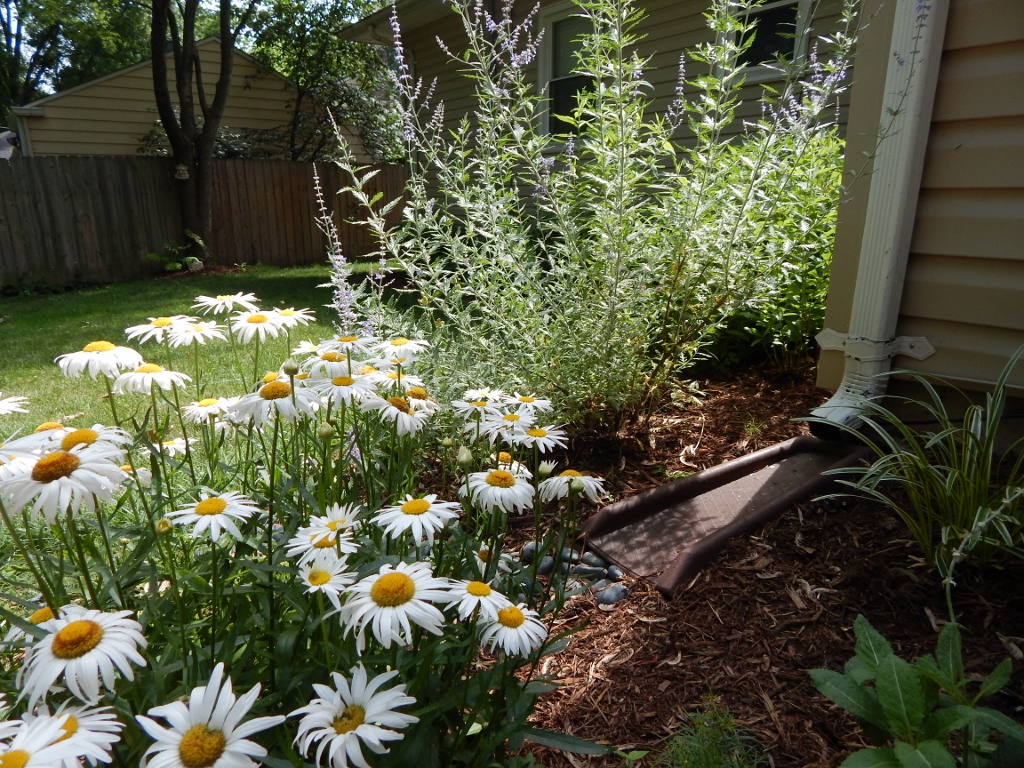
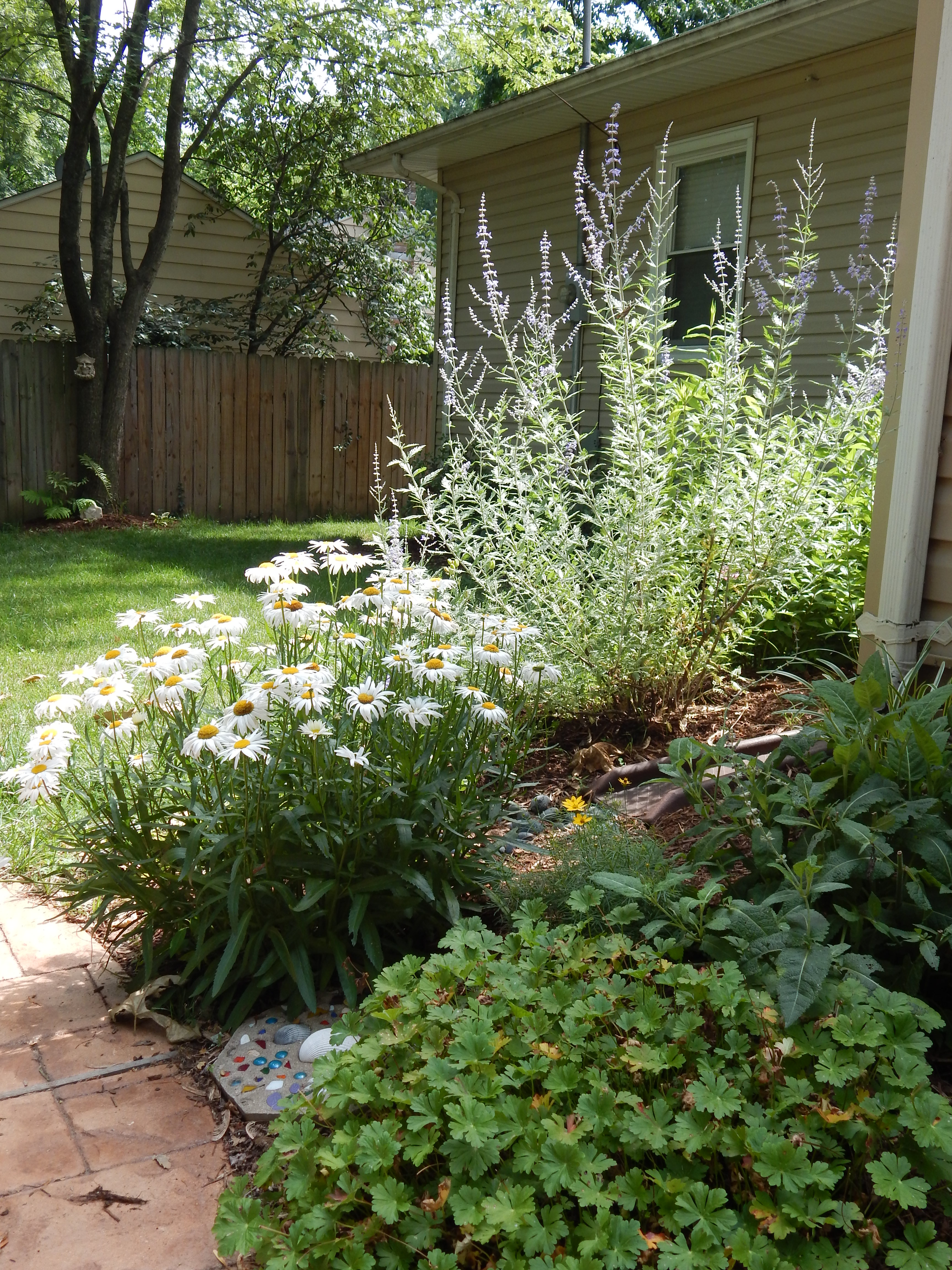
The Russian sage nearly glows in the afternoon sun.

The Russian sage nearly glows in the afternoon sun. And the Shasta daisy seems to be well adapted to this spot which receives lots of sun.

5. Perovskia atriplicifolia.The wispy, powdery-hued wands of Russian sage cool off the heat but hold up well. The tall Russian sage is on the verge of blooming. The specimen shown above anchors the corner of this bed which faces South and East. The East view is what is showing here. Planted nearby are tall garden phlox and hot pink roses.

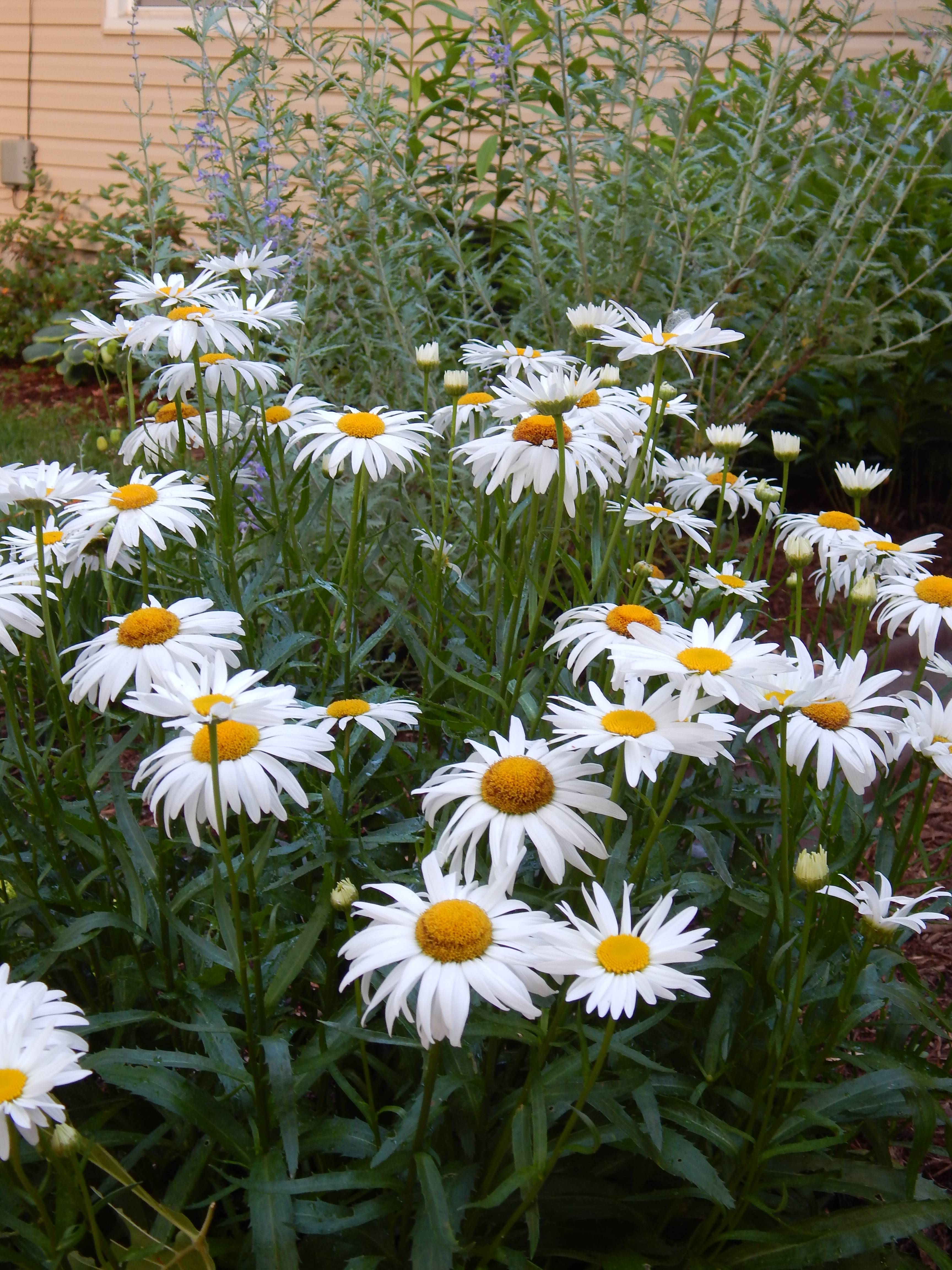
A pretty combination of sunny "Amelia" Shasta daisy, a rugged sun lover.

A pretty combination of sunny “Amelia” Shasta daisy, a rugged sun lover, and Russian sage.