
 I love it when a plant is described as a “solution.” But that’s not what led me to select and plant Acer griseum, commonly called a paperbark maple due to its distinguising feature of peeling bark. T
No, I chose this tree because my yard is small and I wanted a smallish tree that would give more of an enveloping feeling to the space at the patio’s edge. We all know site selection is important when buying plants, and I’d say it’s very important when buying trees. They’re expensive and not easy to rip out like, say, daylilies or other type of perennial.
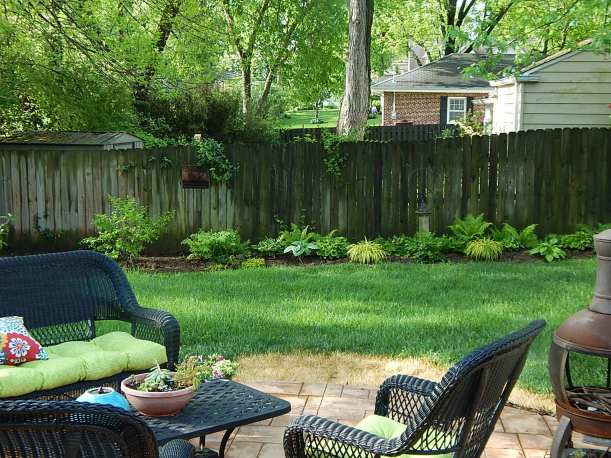
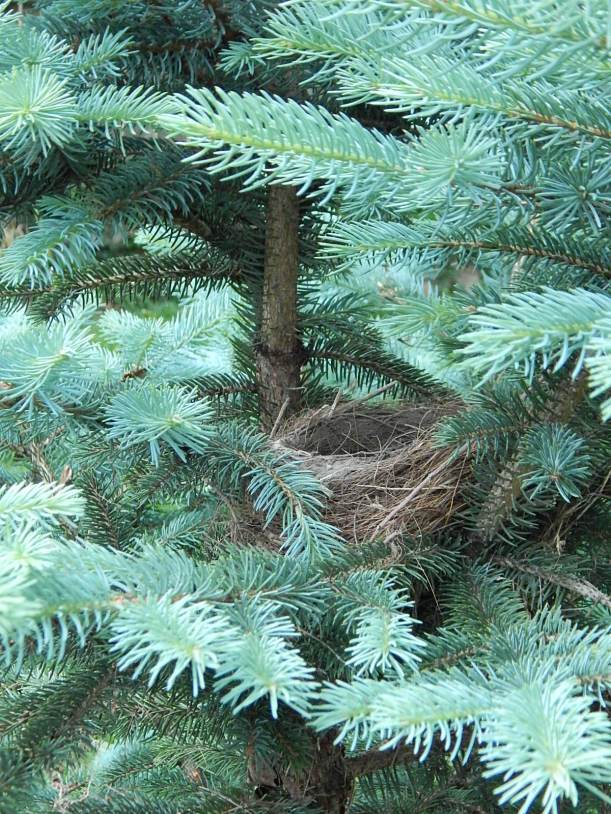
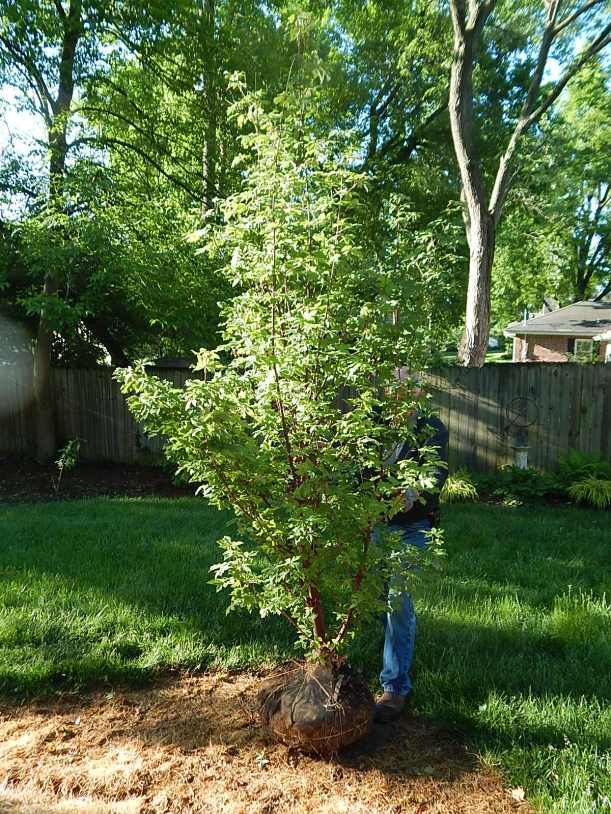 So I considered not just my need for a more cozy spot, but also the fact that the site gets mostly full sun, is made of clay soil and I wanted to reduce the step down from the patio to the yard. Beyond these technical considerations, I wanted a tree that provides fall or winter interest. Winter is St. Louis is dreary. I like looking out something beyond a gray landscape. So far, additions of a drawf blue spruce (looks awesome in snow!) and winterberry have helped establish more four-season interest.
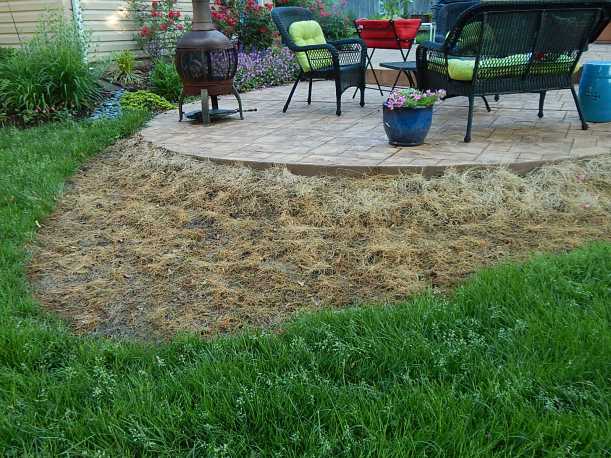
Here’s a “before” photo. We had lots of rain this spring so there was a considerable lag time from when I bought the tree and when the landscaper could plant it. I prepped the site by killing the grass with glyphosate.
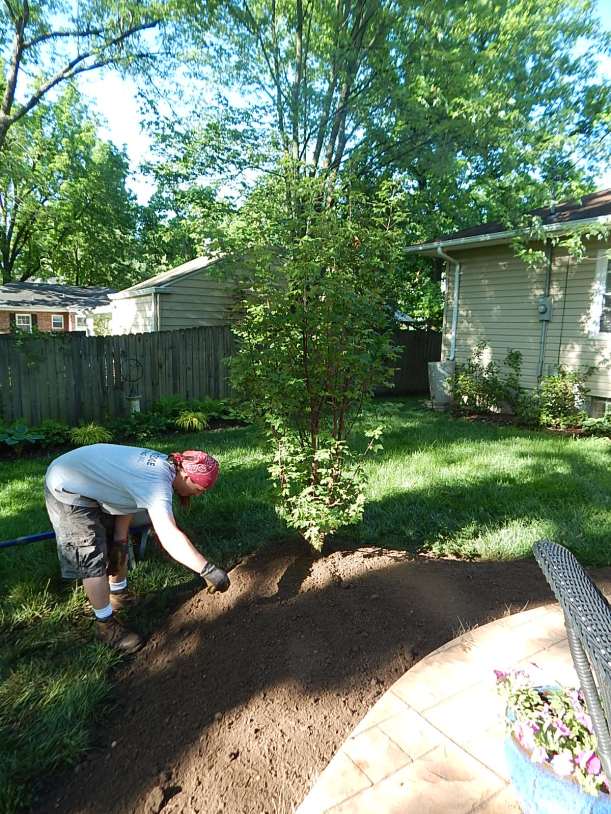 I’ve thought long and hard about what I wanted in this spot. Maybe an attractive shrub row with great fall interest, such as burning bush (euonymus alatus), or a tree that would provide dappled light, like river birch (betula nigra). I love the peeling bark of river birch, but I don’t care for its leaves all that much. A row of shrubs would obscure my view of my shade garden and would be too much of a repetition in size; I already have several shrubs of similar height. Oh, and I like clumping or multi-stemmed trunks.
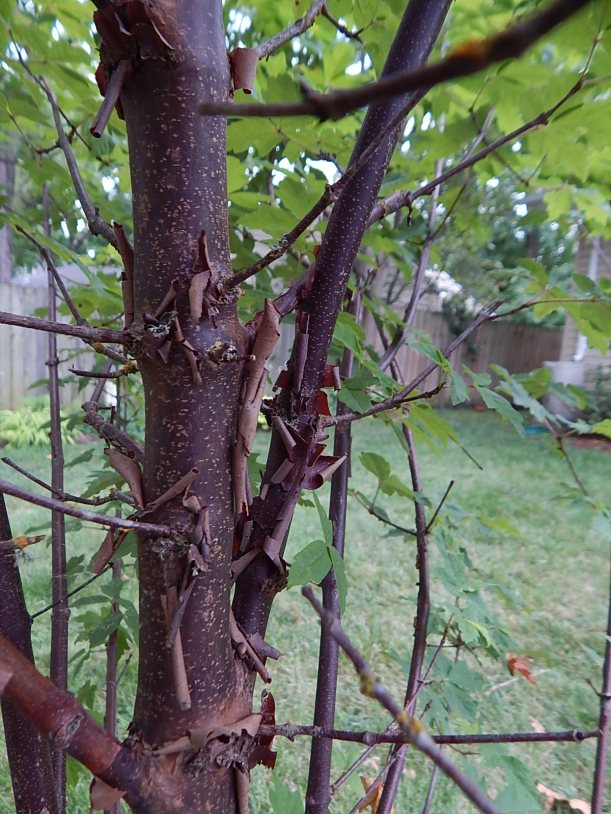 Of course, I did lots and lots of online research and visited my favorite nurseries and the Missouri Botanical Gardens once or twice to look at trees I that interested me. By the way, MoBot has a wonderful plant finder tool on its web site. This is what a came across when I did a search for paperbark maple:
Attaining a height of 20 to 30′, paperbark maple is an excellent choice for small properties. This slowgrowing tree features beautiful peeling cinnamon to reddish brown bark and trifoliate leaves that turn red in fall. Its two-winged seeds tend to be infertile and will not produce as many unwanted seedlings in lawns as other maples.
Other pages on the MoBot web site describe the tree as a great choice for clay soil. Problem solved. The tree is larger than I can manage so a local landscaper planted it for me this spring. If I have one regret, it’s that the paperbark is a slow grower. It’s going to take a few years for it to fill in and lend that enveloping feeling I’m seeking. But all things considered, I would definately describe this tree as a “solution.”
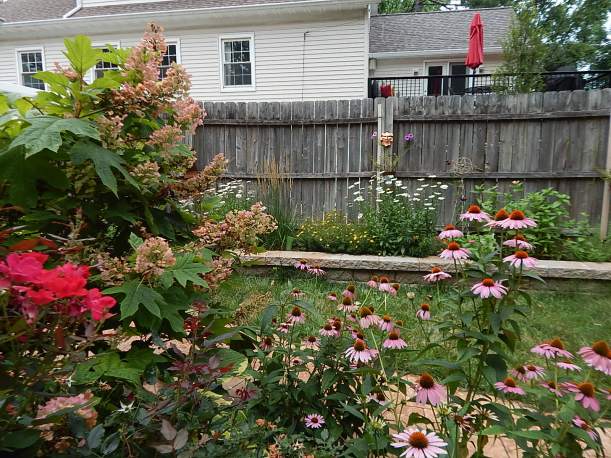
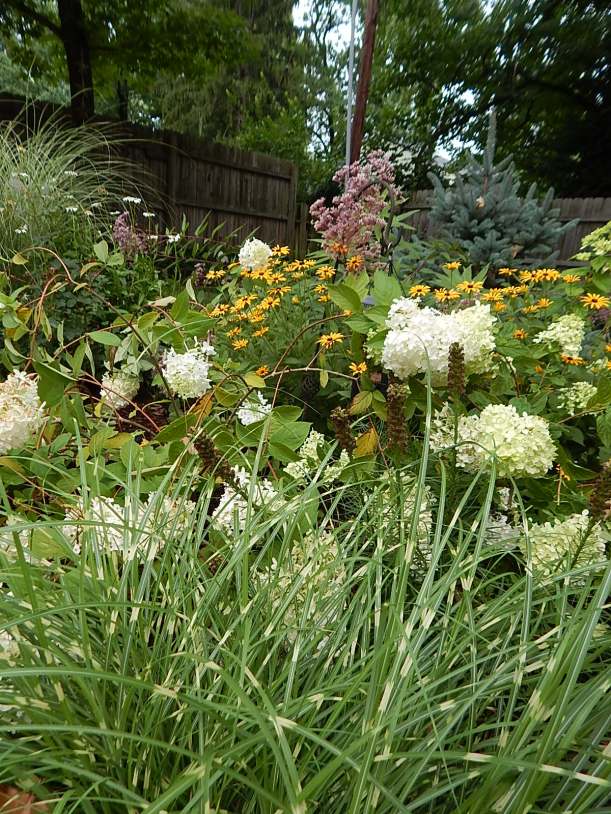
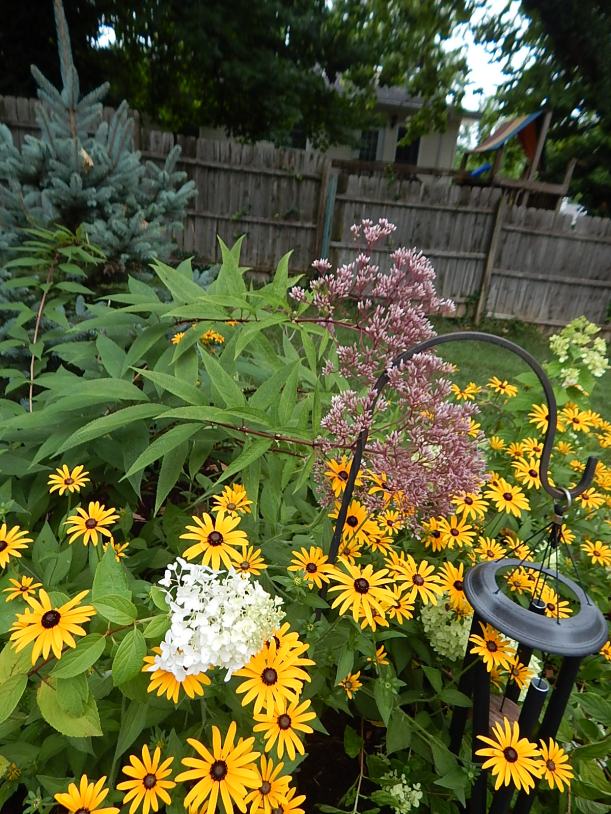
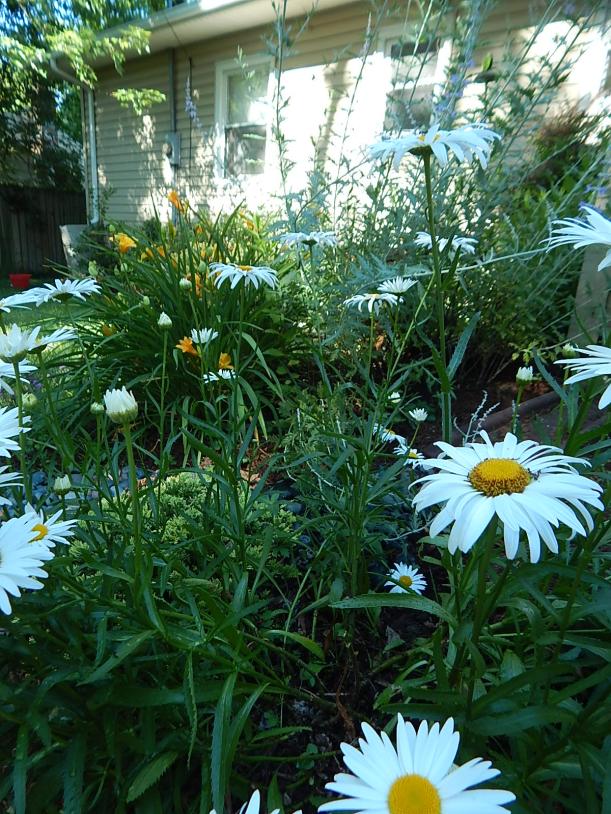
 July has been a splendid month. Very hot, very humid but full of travel, fun and frivolity. Isn’t that what summer is supposed to be about? I’ve left the garden to its own devices and have been welcomed back by a host of new bloomers–panicled hydrangeas, black eyed Susans, Joe pye weed, pink roses, daisies and zinnias, even as the voles continue their vicious attacks.
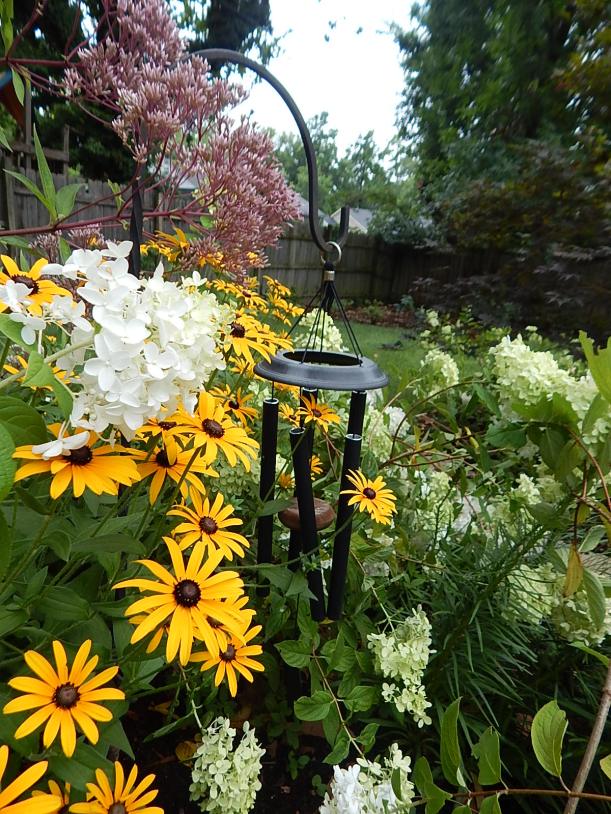 A 4th of July visit to my sister in San Antonio is what has inspired this post. Mornings were spent lounging on her tree-covered patio, coffee mugs and i-Pads for news in hand, interspersed with lots and lots of sister talk. Surrounded by Susan’s lush plantings, pond, and all sorts of of garden ornamentia my thoughts were naturally led to garden art.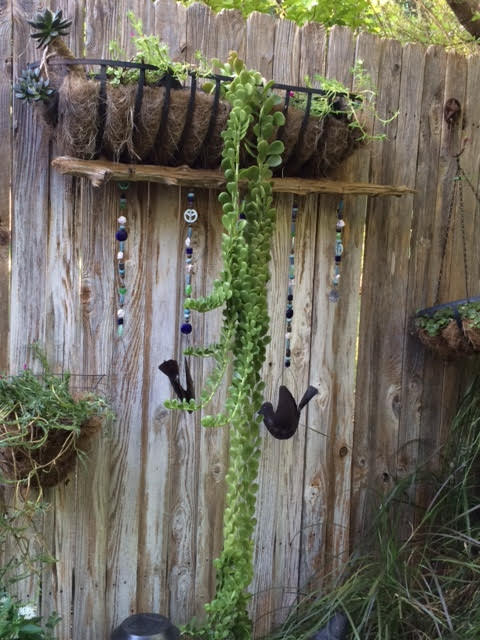

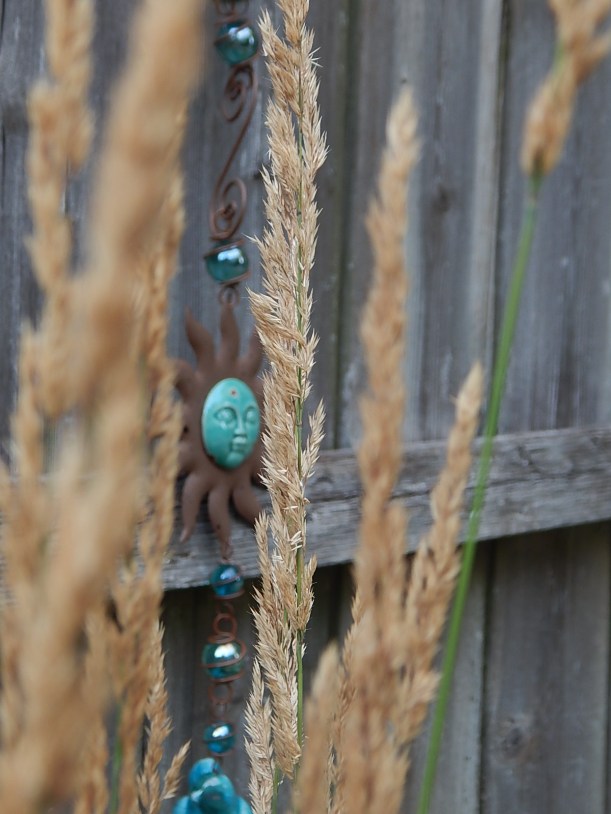

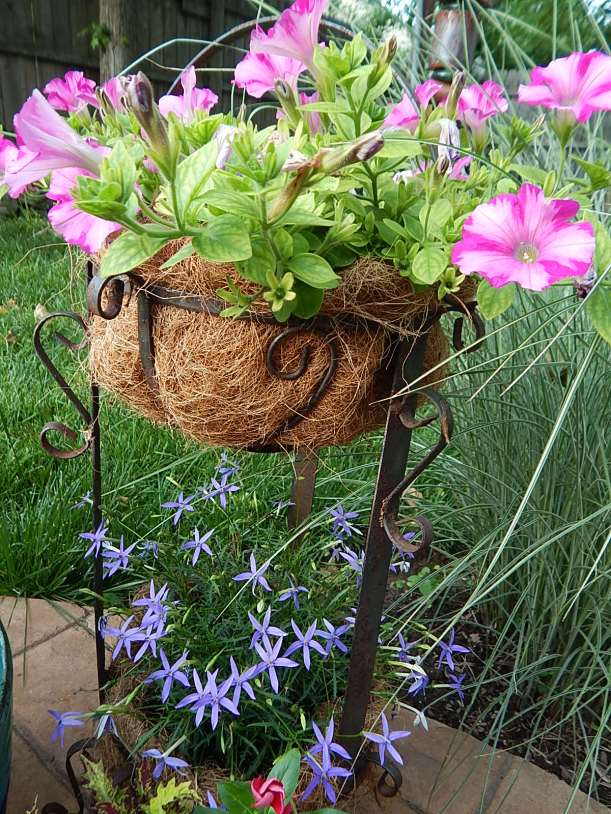
 Garden ornaments also fulfill a function. They provide a structure for climbing plants, a resting spot for birds or even a stand for plants. The small armillary sphere in my raised garden bed has been a good climbing structure for the young clematis I planted last summer. Form can meet function and be artful at the same time. One of my friends created a beautiful privacy screen with custom-designed panels.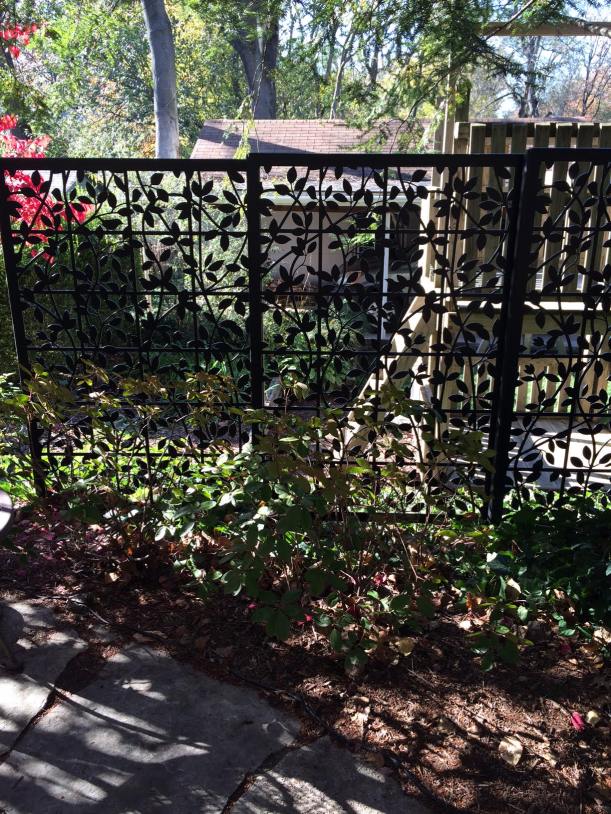
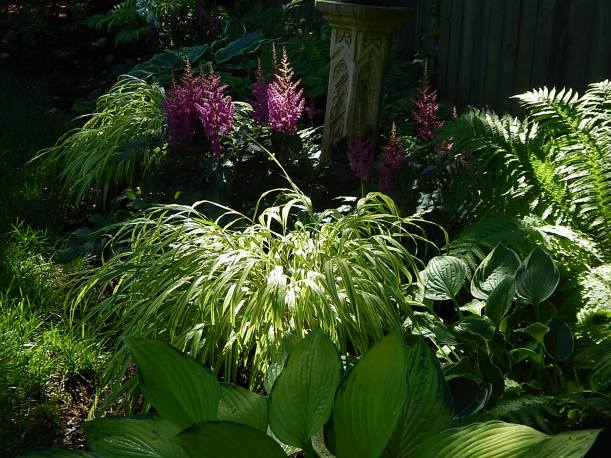
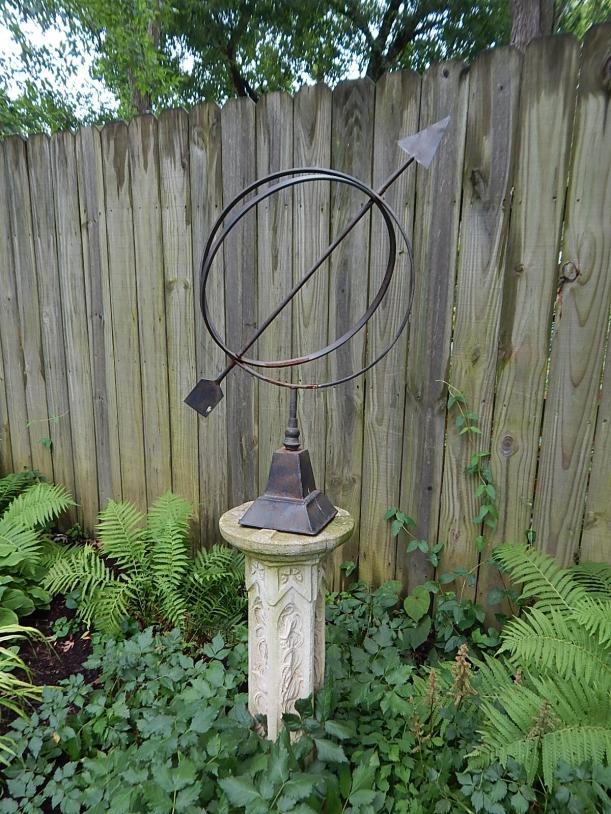 The plant stand above (a sundial base, really) has held containers full of caladiums, a basketful of fern and now an armillary sphere. But I placed it here to provide a focal point to the astilbe that surround its base and to fill up the fence line.
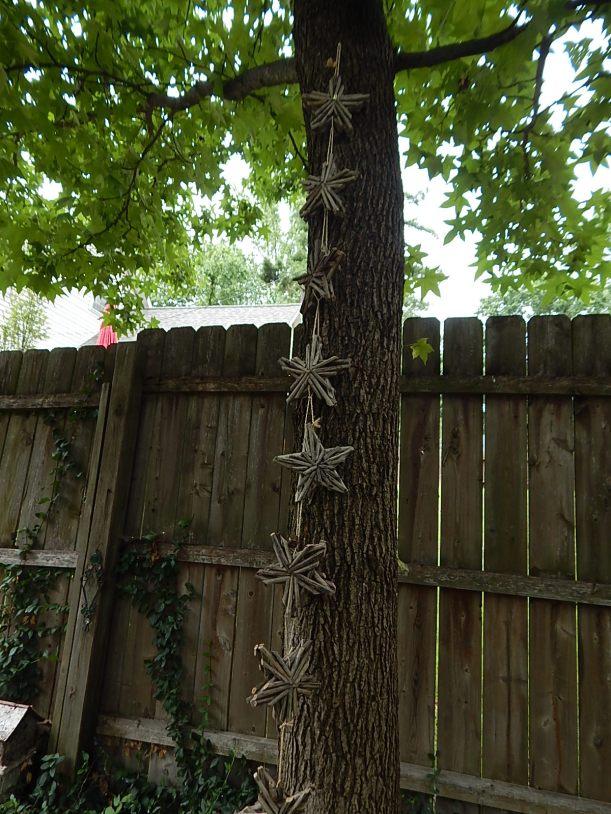 I’ve also repurposed objects d’art for the garden. A swag of wooden stars originally used for a Christmas mantle display has been repurposed to dangle from a tree. It was getting zero use sitting on a shelf in the garage, now I enjoy it whenever I am out on the patio. I also found a couple of pieces of rusiting tin ceiling tiles at a resale shop that I’ve put to good use on the fence. I think they provide a whole lot of look for the $3 I spent on each piece. In the spring, my neighbor’s bright honeysuckle is a pretty contrast with the rusting metal.
 How do you accent your garden?

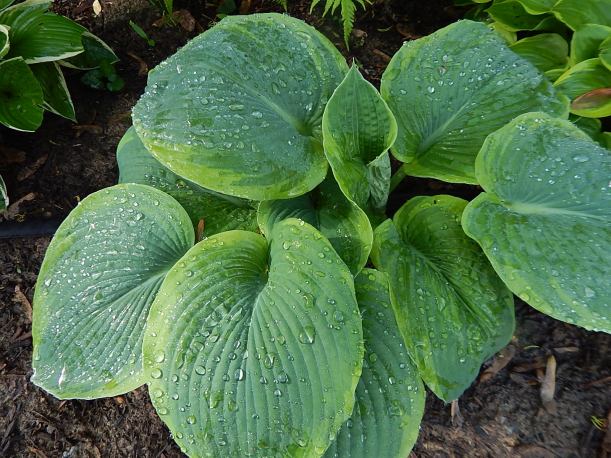
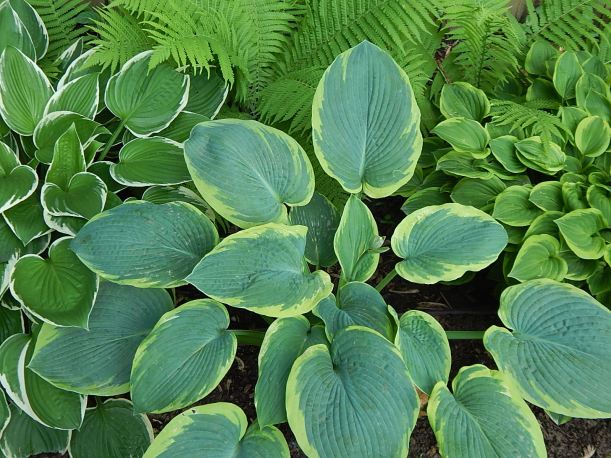
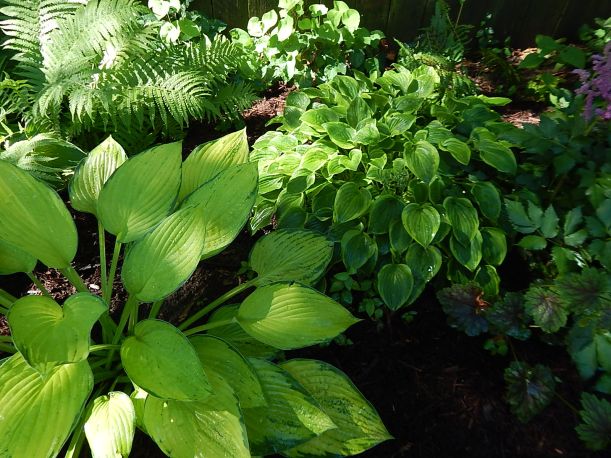 Hostas have so many of the elements I look for in a plant. Easy to care for. Can be divided. Comes in lots of varieties, both big and small. But truth be told, I’ve not always been a big fan of them–even though they have been in every garden I have planted. You’d be hard pressed to find St. Louis garden that doesn’t incorporate hostas into its design. These are workhorse plants in this part of the Midwest and they go well in many applications.
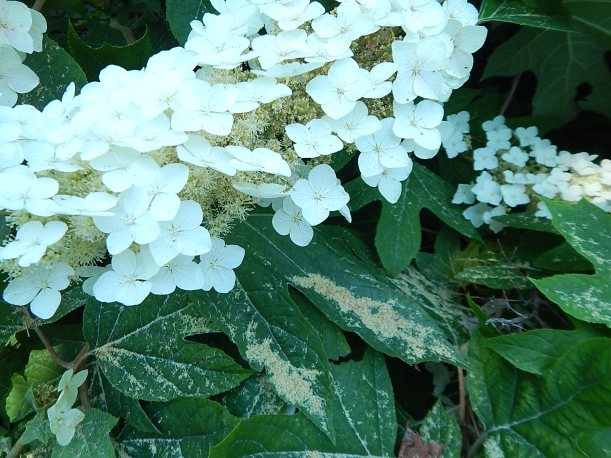
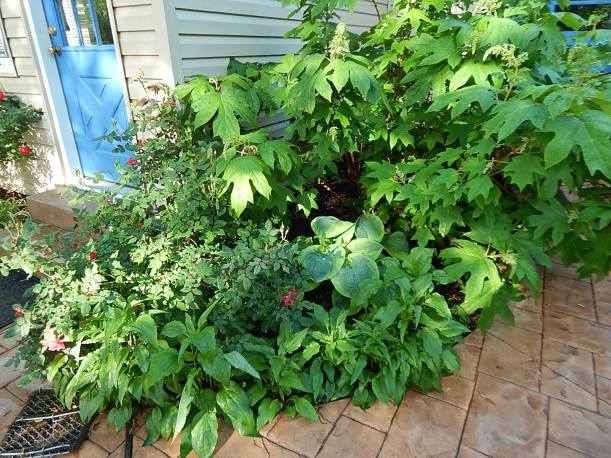 My fondness for hostas is growing. This plant is an essential element to my shade garden and I enjoy looking at them every day. I love the hosta in the photo above (taken in May) but will probably move it next year. Even though it is encased by the oakleave hydrangea, which filters the sunlight, it gets too much sun and by July it looks like its about to burn up. There are “sun loving” hostas but don’t be fooled, this is plant really a shade lover.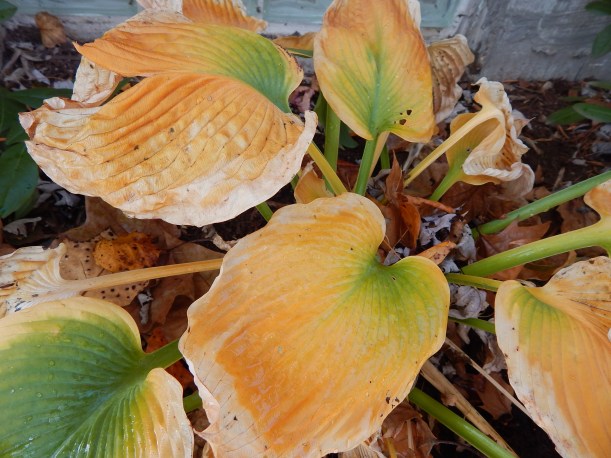



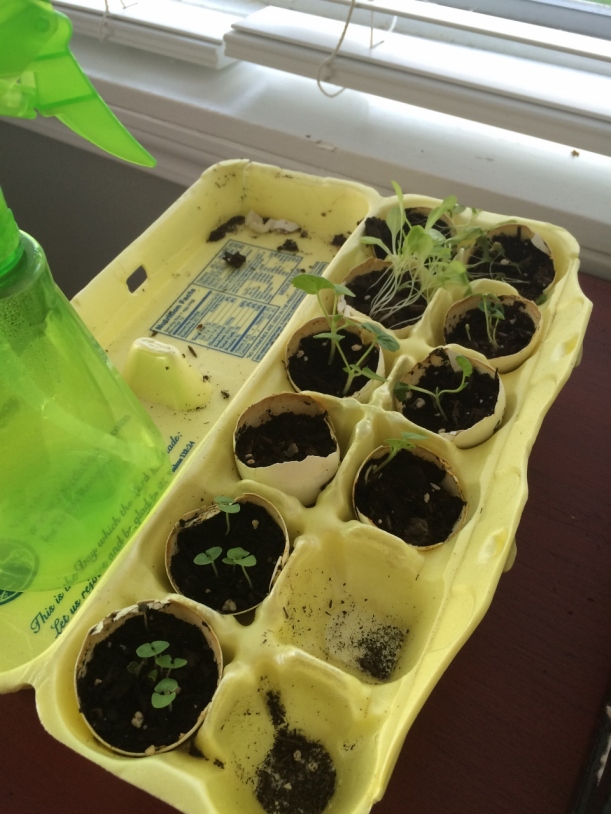
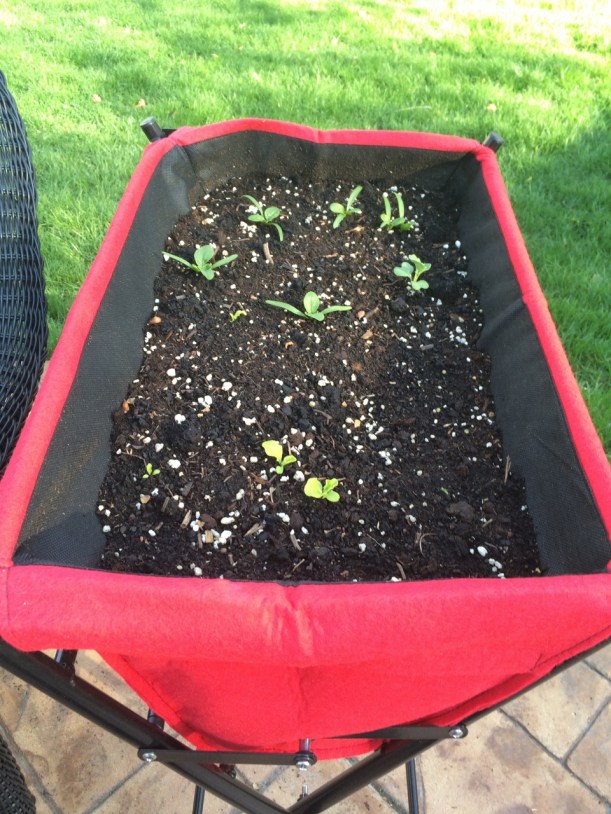
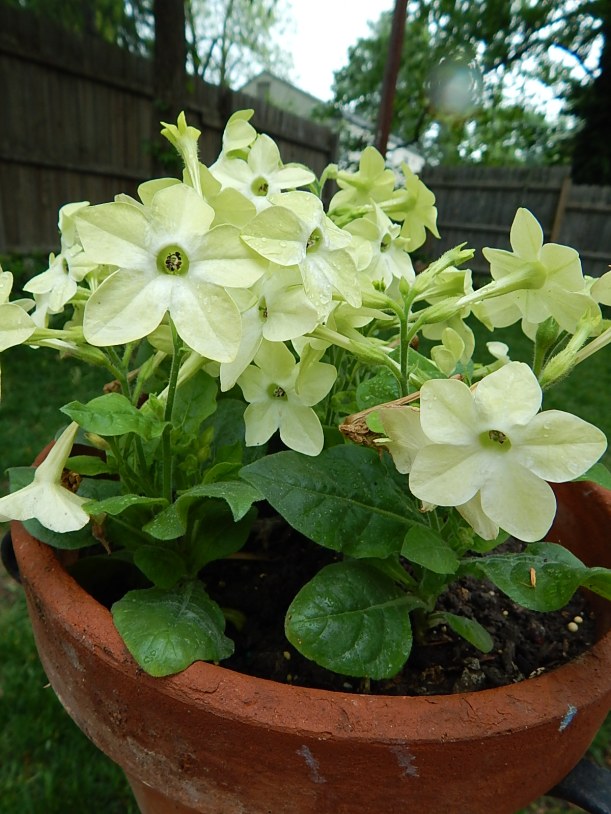 Nicotiana. I plant this near a window so I can enjoy its evening fragrance. A fast grower, nicotiana attracts bees and likes sun. Nicotiana comes in pink, a limey green and white. I like the white but have planted all three. I don’t usually combine this in a container because it likes as much room as it can get.
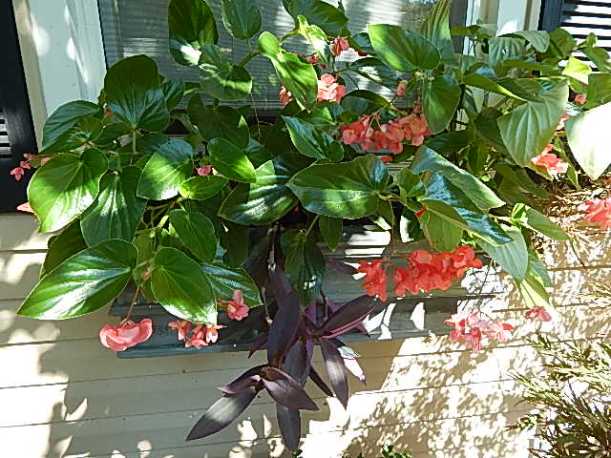 Begonia. Not just any begonia. It’s gotta be dragon wing begonia. The light my window boxes receive suits this plant just right, and dragon wing has become a staple. I usually pair them with a spiller because these plants are all the thriller I need! Here I’ve paired it with purple spiderwort, another easy grower. I’m partial to the coral blooms that gently cascade on a delicate stem. As you can see, they take over, but I’m not complaining.
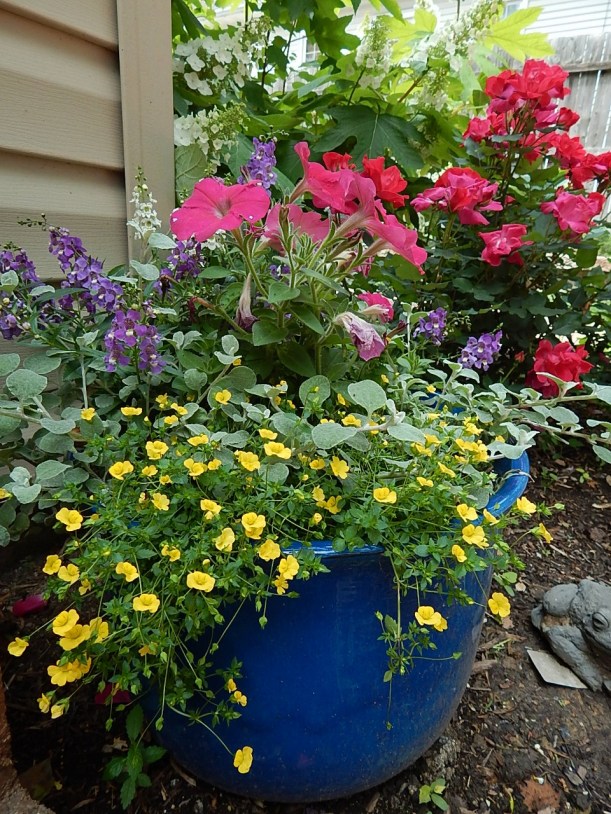 Angelonia. I’m fairly new to this gem of a plant and I find the white cultivars are a bit more vigorous than the purple. However, I’ve only planted these in containers for two seasons and last season my containers (which had the purple variety) really didn’t perform well. This container had both white and purple varieties. I adored the yellow accent of calibrachoa, but it only bloomed once and looked pretty shabby.
 \
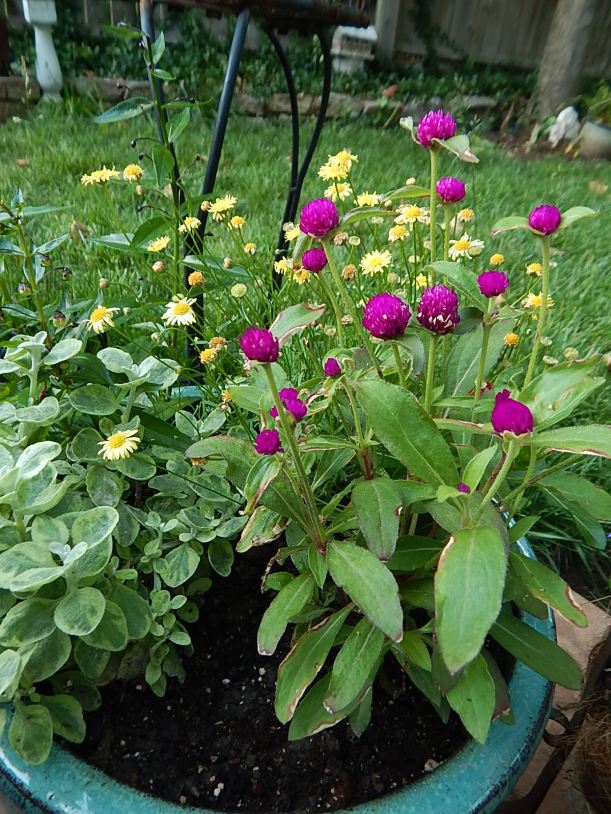
\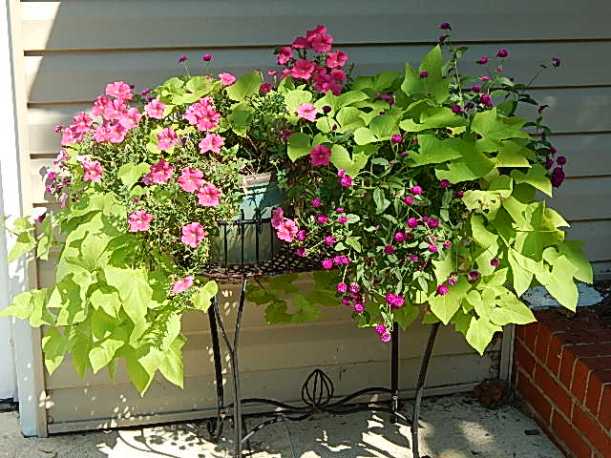 Gomphrena. I wish I had a better photo but you’ll get the idea. This is a real workhouse annual, providing bloom after tireless bloom all summer. Its cute pom-pom shaped spheres on long thin stems make for a great fill-in. I planted this last summer for the first time and combined it with sweet potato vine and petunias. I’d categorize this plant as fun, if there is such a plant category. The nearly neon purple bloom is a lot of fun too.

 The Arch City Gardener